
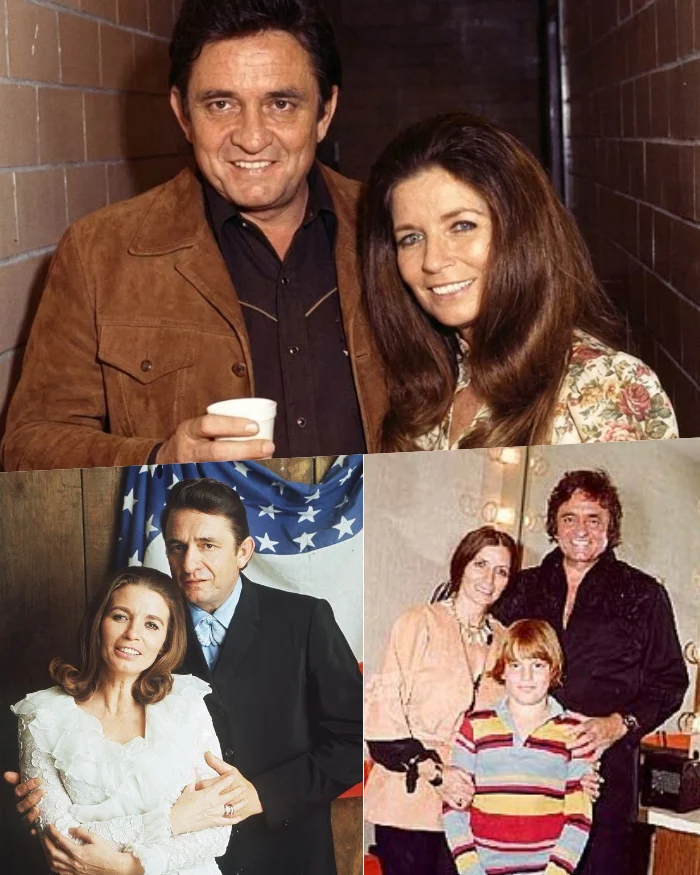
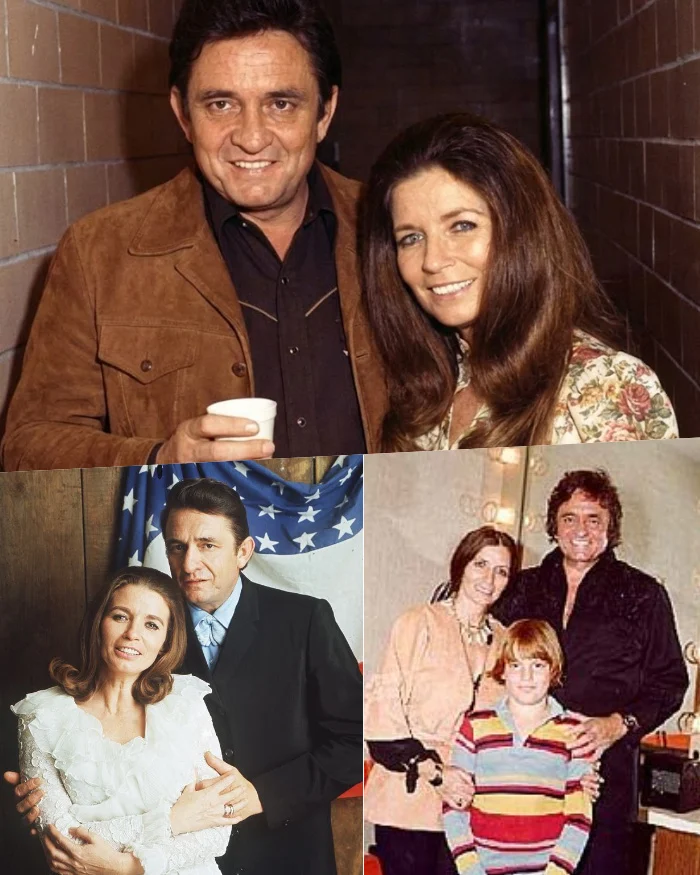
The final recordings were made when her body was tired and her voice was fraying, yet June Carter Cash still stepped into the microphone to reclaim the sound she had spent decades sharing with Johnny Cash.
Born into the Carter Family legacy, she learned early that music was both inheritance and discipline. She carried the weight of one of country music’s most honored names while training her craft with raw vocals, autoharp mastery, and comic timing that made audiences lean forward. She also studied acting in New York with Sanford Meisner, a path that led many industry voices to expect a major solo career.
Then 1968 changed the shape of her life. After marrying Johnny Cash, June made a quiet but powerful choice. She moved away from solo billing and acting ambitions. She became the harmony singer, the comedic foil, and the steady presence beside him on tours and on The Johnny Cash Show.
For years, she stood just half a step behind the Man in Black. She let him hold the center while she anchored the music with warmth, humor, and a voice that softened the roar of arenas and living rooms across America.
The hardest work happened away from the lights. In their lakefront home in Hendersonville, Tennessee, June and her mother, Maybelle Carter, watched over Johnny through his deepest struggles with addiction. June hunted hidden pills and flushed them away. She swept up broken glass after his rages. She stood in the doorway when he wanted to leave, becoming the anchor that kept a brilliant but self-destructive legend from going under.
She managed a blended family, protected his health, and kept his voice alive for audiences. Her own immense talent waited, often quietly, while she gave everything to the marriage that defined her public life.
The return to her own voice came slowly, and it needed the care of her son John Carter Cash. In the late 1990s, he sensed that a vital piece of musical history was fading. He gently brought his mother back to a studio microphone and asked her to record without the polished production of her past.
That work led to the 1999 acoustic album Press On. The deeper testament arrived during the 2003 sessions for Wildwood Flower. John Carter Cash brought recording equipment to the Carter Family estate in Hiltons, Virginia, so June could sing inside the wooden walls and Appalachian hills that had shaped her family’s music.
She was in failing health, yet she insisted on finishing. She wanted to honor Mother Maybelle’s legacy and preserve the truth of her sound. The sessions captured a voice that had lived through devotion, grief, addiction, and resilience.
When June Carter Cash finally stepped back into the center of the room, she proved she could hold the entire stage on her own.
The title track, a traditional piece that had pulsed through her family since the late 1920s, became a mirror for her life. It spoke of fading beauty, endurance, and love, themes she had lived rather than merely performed.
June Carter Cash died in May 2003, just months before Wildwood Flower was released. The music world answered with two posthumous Grammys, confirming what her family had always known. Her genius had not faded. It had waited.