
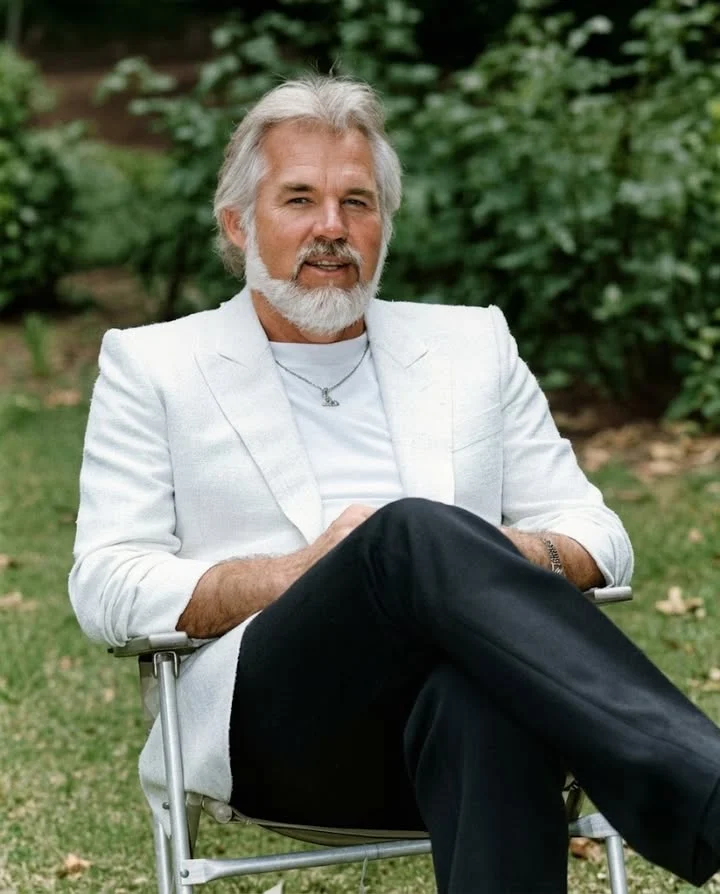
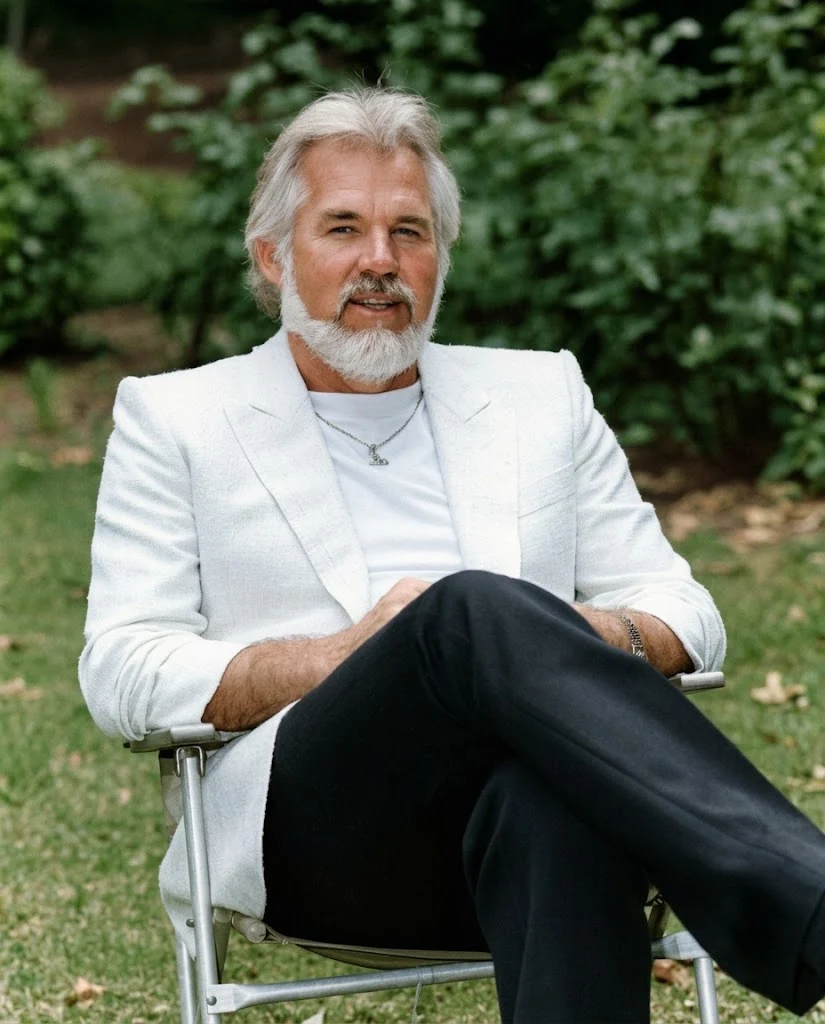
The applause was still roaring when Kenny Rogers stepped into the spotlight but the voice that filled those arenas first learned to survive in a crowded Houston apartment.
Long before the silver beard and the sold-out shows Kenneth Ray Rogers was the fourth of eight children in San Felipe Courts a low-income public housing complex in Houston. A family of ten squeezed into a small apartment where extreme poverty was a daily reality. There was shared space hand-me-down clothes and a quiet anxiety about the next meal. It was not a childhood that promised stardom but it forged one of American music’s most enduring storytellers.
His mother Lucille held the household together. She cleaned offices in the early morning hours and worked hospital shifts to keep the family afloat. Kenny watched her come home with calloused hands and steady determination. From her he absorbed an unbreakable work ethic that would later carry him through a six-decade career.
The home also carried the heavy unpredictable weight of his father’s severe alcoholism. Edward Rogers was a skilled carpenter but drinking often stripped away the family’s stability and kept everyone on edge. Even so Edward brought music into the cramped rooms. He played an amateur fiddle and filled the apartment with country and Western melodies. For a young Kenny those notes offered a temporary escape from hunger and tension.
Kenny studied both parents closely and took a different inheritance from each. From his father came a lifelong love of melody and a permanent warning about the destructive cost of addiction. That lesson helped him stay famously sober through his years in the music industry. From his mother came grit and a refusal to quit.
As the fourth of eight children he learned to seek comfort from his older siblings and offer protection to the younger ones. That quiet empathy later shaped the way he sang about ordinary people and hard choices.
A teenage Kenny scraped together enough money to buy his first guitar. At Jefferson Davis High School he formed the rockabilly group The Scholars and stepped onto a real stage for the first time. Local attention in Houston led to his first solo single That Crazy Feeling and a surreal 1958 appearance on American Bandstand. That early experience proved his voice could command a room and perhaps change his family’s reality.
Those first local gigs opened a long winding road. Rogers moved through jazz groups and the folk-rock era with The First Edition before settling into his permanent identity as a country music patriarch. By the time he recorded The Gambler and Lucille he was not merely singing lyrics. He delivered them with the gravelly lived-in authority of someone who had seen the hard side of life.
He sang about broken hearts and hard choices not as an observer but as someone who knew the people behind them
Even after selling more than 100 million records and earning immense wealth he never fully left the lessons of San Felipe Courts behind. He remained fiercely protective of his family and famously hard-working. He treated his legendary career not as an entitlement but as a privilege he had to earn every night.
The sold-out arenas eventually replaced the cramped public housing and global applause replaced the sound of a lone amateur fiddle. Yet the heart of his music stayed the same. The voice that comforted the world belonged to a boy simply trying to find a little peace in a crowded room.