
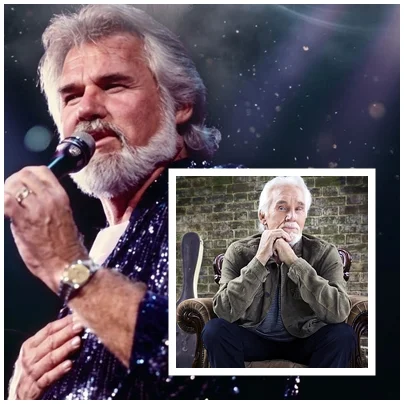
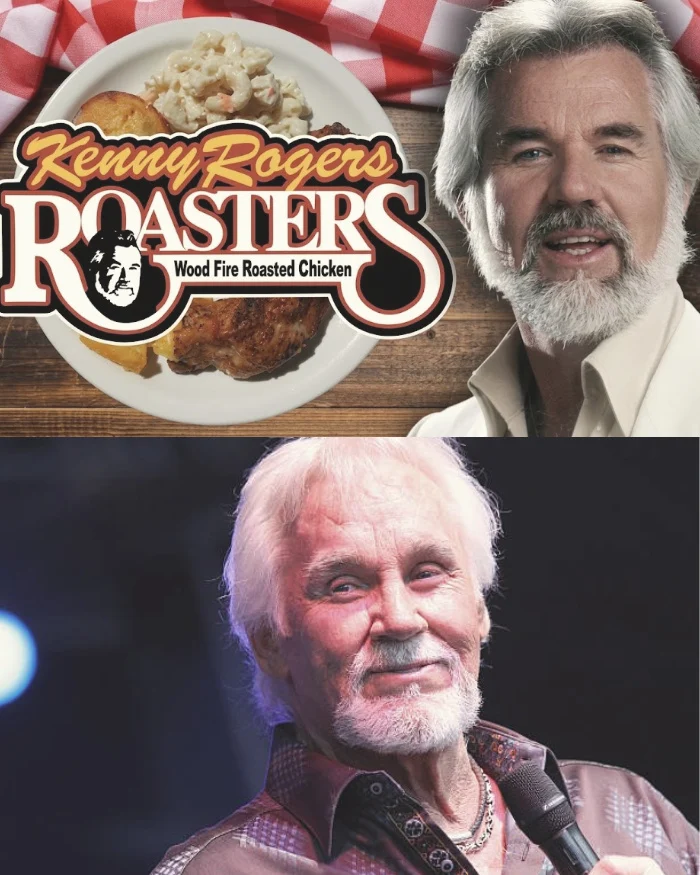
In 1998, the bright face of Kenny Rogers Roasters became a grim symbol of a business collapse.
The chain had opened in Coral Springs, Florida, in 1991 with Rogers and former Kentucky governor John Y. Brown Jr. behind a wood-fire rotisserie chicken concept built for diners who wanted a lighter option than deep-fried fast food.
It grew fast. Within a few years, the brand reached more than 350 locations worldwide, but that surge tied up millions in real estate and leases while Boston Market pressed hard on price.
Cash flow thinned, debt climbed, and the company filed for Chapter 11 bankruptcy protection in Delaware in March 1998. The fallout caught franchisees, staff, and the public in legal uncertainty.
His smile sold a chicken brand, but the bankruptcy headlines stung deeper than any review.
In April 1999, Roasters Franchise Corp. was sold to a subsidiary of Malaysia’s Berjaya Group, led by billionaire Vincent Tan. The deal handed international licensing rights to new owners and helped the brand survive outside the United States.
Berjaya reshaped the dining experience for Asian markets. Kenny Rogers’ smiling portrait stayed on the signs, while floor plans moved from counter service to spacious dining rooms, leather booths, and full waitstaff service.
The menu kept wood-fire rotisserie chicken and corn muffins, then added garlic-infused rice, local side dishes, and halal-certified preparation in Malaysia, Indonesia, and Brunei. In the Philippines, Epicurean Partners opened hundreds of storefronts in shopping centers and business parks.
The last company-owned American locations closed in the 2000s, yet Kenny Rogers Roasters became a steady middle-class dining stop in Kuala Lumpur, Manila, Singapore, and other cities.
Rogers accepted the loss with dignity, stepped away from commercial boardrooms, and returned to touring, where an unadorned stage and faithful audience kept his legacy alive through music.