
The night the walls came down, everything Cecil Darby had built turned to dust in a single breath. For 300 days, he had raised a monument to his own ego, stone by stone. For one night, the world watched it fall. And somewhere in the wreckage, the real tragedy wasn’t the shattered masonry—it was the silence between a husband and a wife who had long stopped speaking to each other.
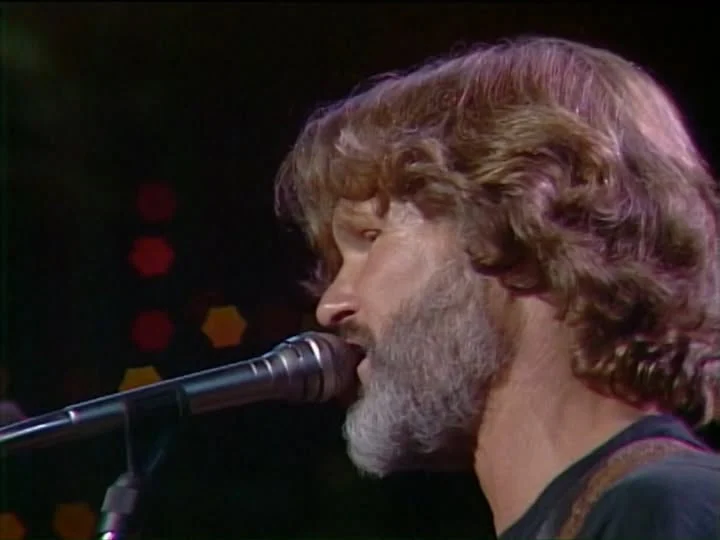
Kris Kristofferson captured this scene with devastating precision in “Darby’s Castle”, a track from his 1970 self-titled album. At first glance, it is a simple country ballad. But beneath the gentle melody lies a parable about ambition, loneliness, and the quiet ruin we create when we chase the wrong things.
Kristofferson introduces us to Cecil Darby, a man possessed by the need for more. More land. More status. More proof that his life mattered. So he pours every waking hour into a towering fortress, a palace meant to stand forever as a testament to his success. But while the castle rises, something else crumbles. His wife, Helen, becomes a ghost in her own home, drifting through hallways lined with empty promises.
“Though they shared a common bed, there was precious little said, in the moments that were set aside for sleeping.”
Those lines hit with the weight of a thousand unspoken conversations. Kristofferson doesn’t need to shout to make his point. He lets the quiet ache of a neglected marriage speak for itself. The castle, so grand from the outside, becomes a prison for two people who no longer know how to find each other.
What makes the song so haunting is the contrast Kristofferson draws between the labor of creation and the speed of destruction. It takes Darby months of relentless toil to raise his dream. It takes only one night of betrayal and heartbreak to bring it all crashing down. The metaphor is unmistakable. Material success is fragile, but the bonds we ignore are even more so.
“Darby’s Castle” endures not just as a song, but as a warning. In a world that measures worth by accumulation, Kristofferson reminds us that a house full of gold means nothing when the heart inside it is empty. His storytelling, rich with imagery and compassion, invites us to look at our own foundations. Are we building something that shelters love, or are we raising walls that keep it out?
Long after the final chord fades, that question lingers. And perhaps that is exactly what the songwriter intended. To make us wonder whether we are building castles for the world to see, or homes where someone truly wants to stay.