
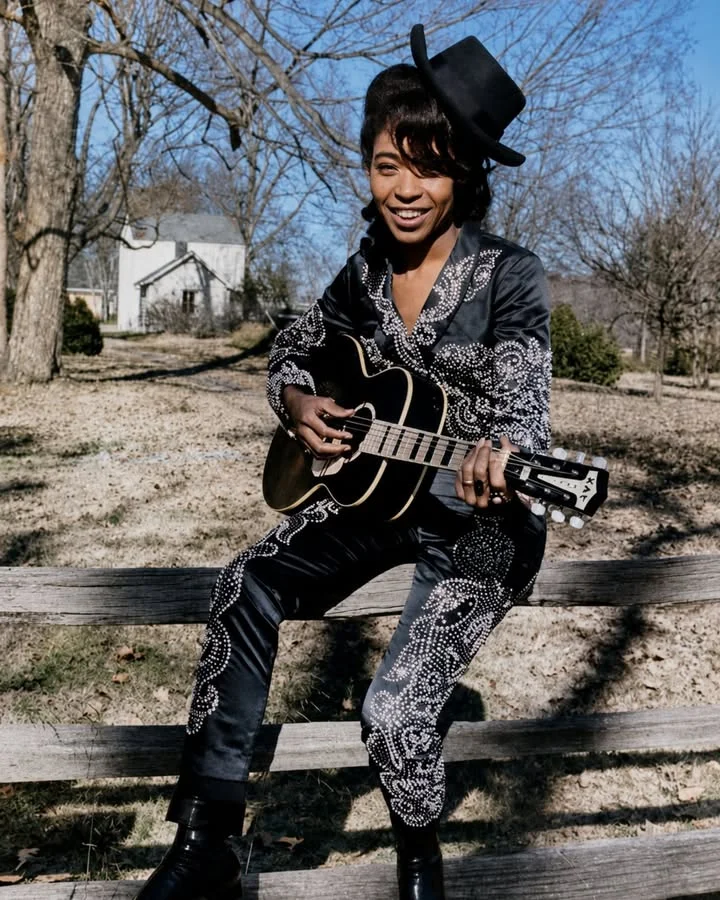
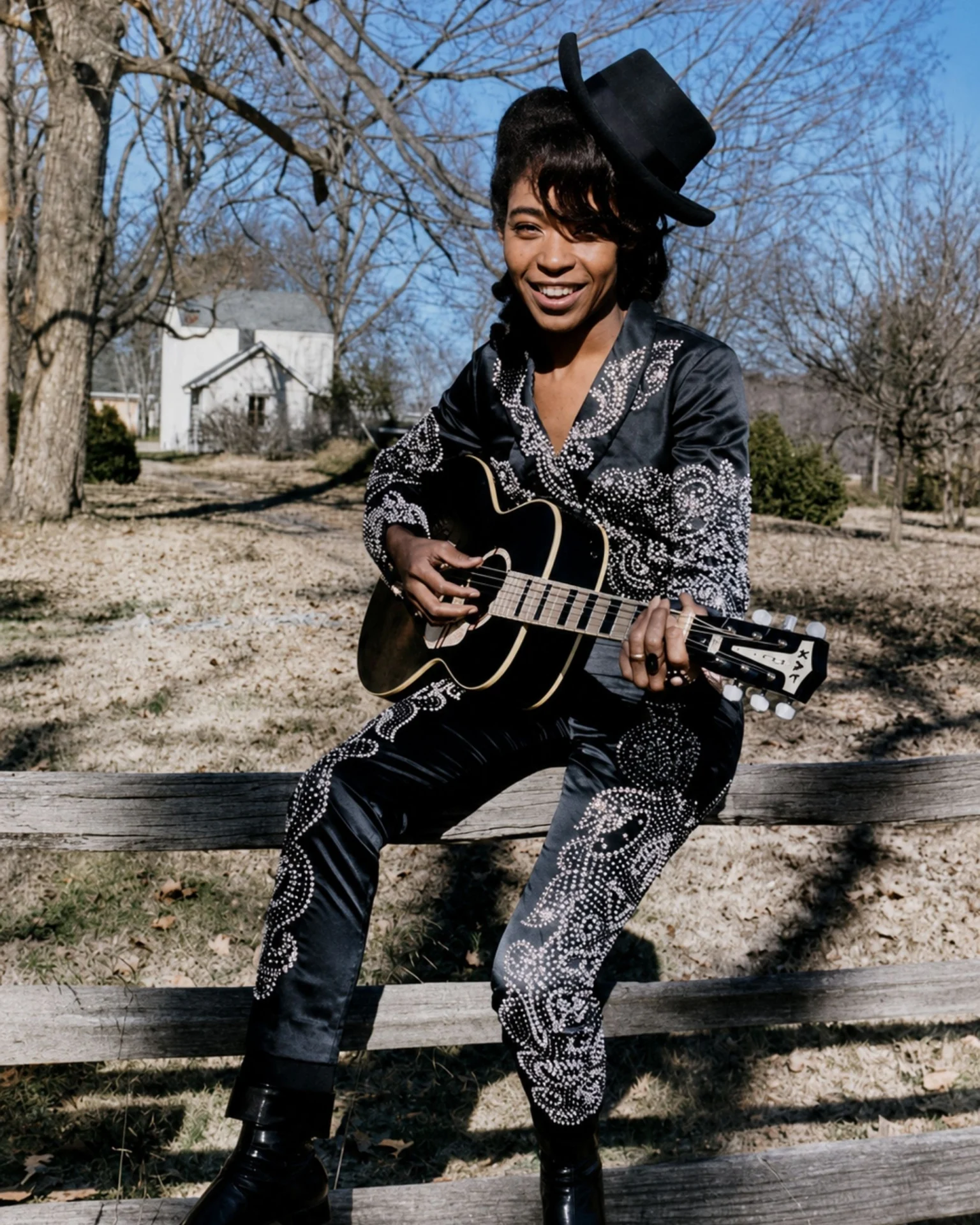
Linda Martell did not arrive as a stranger to country music. She grew up in South Carolina, where Hank Williams played on the radio and gospel filled the church. By 1969, her voice had carried her to the Grand Ole Opry stage, making her the first Black woman ever to sing there. But Nashville, the city that welcomed her that night, would soon let her disappear.
The song that opened the door was Color Him Father. Released in 1969, it climbed the country chart and led Martell to the Opry. It should have been the start of a long career. Instead, it became the brightest moment before a long silence.
For a time, the lights were real. She appeared on television, played live shows, and released her only album Color Me Country in 1970. She charted with Before the Next Teardrop Falls and Bad Case of the Blues. But every step forward met resistance. Racism from audiences and the industry made each success feel fragile.
She was not pushed out by one bad night alone. It was slower than that. A door opening. Then narrowing.
Martell’s final single underperformed. Label support evaporated. By 1974, she had left Nashville, shelved and essentially blacklisted. Her official biography uses that word: blacklisted by the town. It was not a sudden collapse; it was a slow suffocation of a career that had proven its worth.
Decades later, newer artists began saying her name again. Beyoncé’s Cowboy Carter brought Martell’s voice back into public conversation. But the strongest image remains the oldest: Linda Martell on the Opry stage, carrying a future Nashville was not brave enough to build.
The microphone heard her. The audience heard her. History heard her. But the business around her did not listen long enough. That is why her story still hurts, because for one bright moment, country music’s future sounded wider than the town was willing to become.