
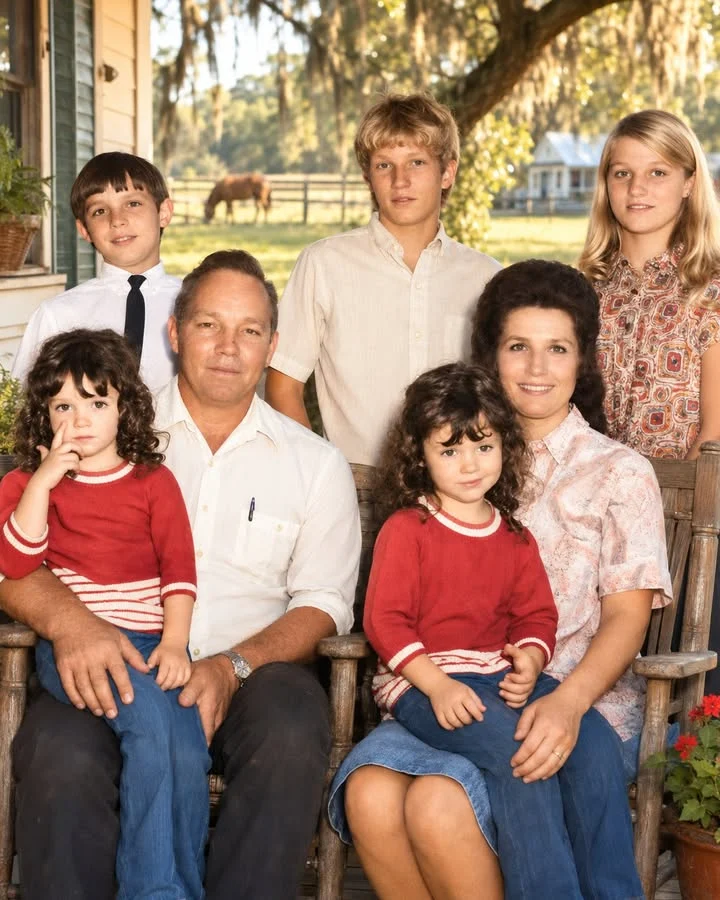
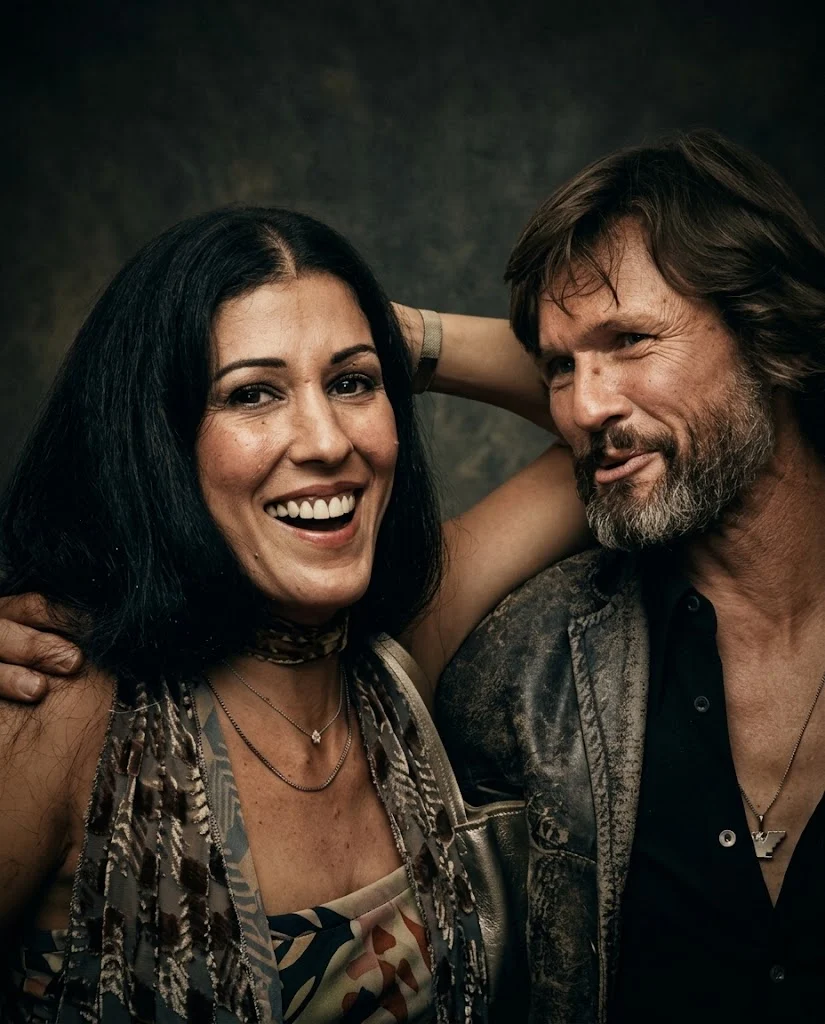
At the edge of a hospital bed, Loretta Lynn held the hand that had lifted her toward the stage and wounded her far more deeply than any public could see. The marriage had carried nearly fifty years of hard labor, sharp anger, quiet devotion, and a vow made when she was only fifteen.
She was a teenager in Butcher Hollow, Kentucky, when she married Oliver Doolittle Lynn in January 1948. Their life began in mountain poverty, then moved to Washington State for timber and farm work. Before she turned twenty, she was raising four children, and later she cared for six after twin daughters arrived.
Doolittle worked relentlessly, drank heavily, and brought storms into their modest home. Yet in 1953 he spent seventeen dollars on a Sears Roebuck acoustic guitar and urged his shy wife to sing. He believed her voice deserved airplay, so he drove across small towns and knocked on radio station doors, pushing her toward Nashville and the Grand Ole Opry.
The audience saw a rhinestone clad pioneer of working class country music. Behind the curtain, Loretta often used stage makeup to hide bruises from physical altercations and betrayal. She stayed because she wanted to steady a household for her six children rather than break the promise she had made as a young Appalachian girl.
She turned pain into song. Her frank anthems about straying husbands, marital strain, and stubborn female resilience spoke for women who carried private burdens with rural honesty. Doolittle allowed those recordings and sometimes stood in the wings while fans cheered words born from his own failures.
By the 1990s, decades of hard living had damaged him through congestive heart failure and severe diabetes. Loretta stepped back from major touring and became his caregiver at the Hurricane Mills estate in Tennessee. In his final hospital room, the earlier fury softened into a tender silence.
She rarely left his bedside during those last weeks. She fixed his pillows, held his fragile hand, and spoke gently to the only partner she had known since childhood. Those close to the family said old bitterness gave way to gratitude, and Doolittle recognized her unwavering strength before he died on August 22, 1996.
When Loretta laid him to rest on the hill overlooking their ranch, she showed that loyalty can be imperfect, costly, and enduring. Their bond had been forged in Kentucky mountains, sealed by six children, an old guitar, and a promise she kept until the end.
She chose to stay, not because the marriage was clean, but because love had become a stubborn, lifelong act of faith.