
A single donut. It was all Loretta Lynn had before she stepped into the legendary circle at the Grand Ole Opry on October 15, 1960. Her husband Oliver Doolittle Lynn had emptied his pockets for it. The stage was about to change country music. The breakfast was about survival.
She had grown up listening to the Opry on a battery-powered radio in a cabin with no electricity. A coal miner’s daughter from Butcher Holler, Kentucky, had no map into Nashville. The industry in 1960 belonged to powerful gatekeepers and polished executives. Loretta and Doolittle did not wait for a scout to find her in a Washington logging town.
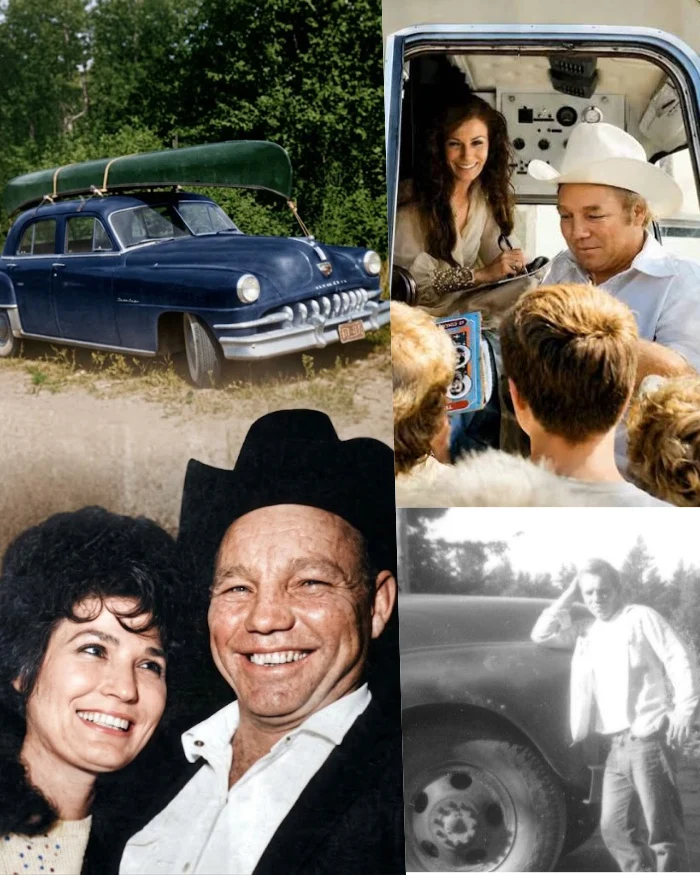
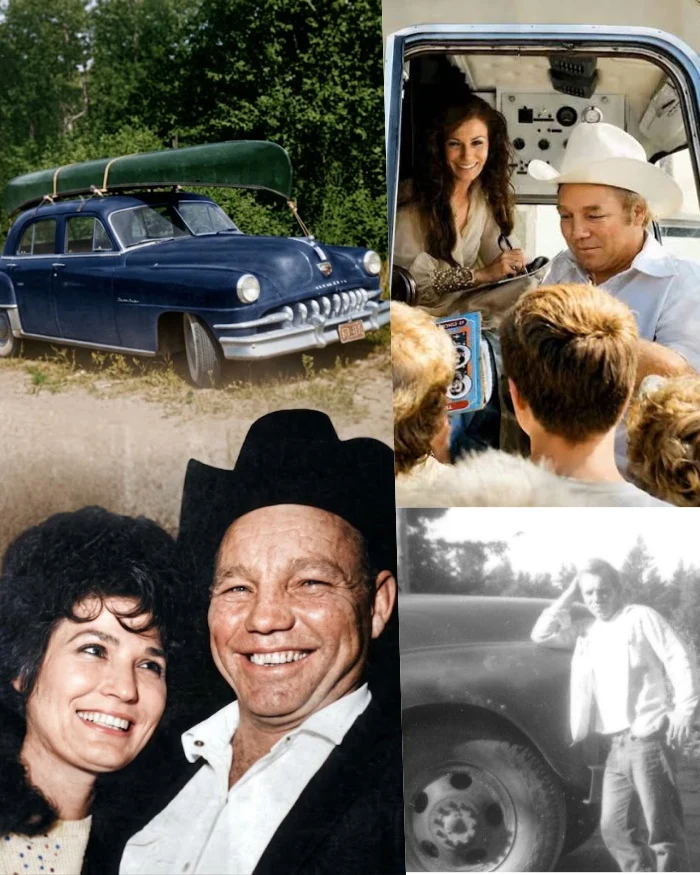
They grabbed her debut single from the small independent Zero Records label and climbed into a 1955 Ford. The car became their bed and dining room and dressing room and office. They had no money for motels and no booking agent. They drove thousands of miles across the United States.
They pulled up to local country radio stations one by one. Loretta stepped out in a dress she had sewn herself. She walked into the station manager’s office and handed over the record with polite determination. They lived on bologna sandwiches and the desperate hope that someone would play her voice on the air.
That relentless radio tour did more than sell a song. It built a grassroots groundswell that Music Row could not ignore. The independent single reached number 14 on the national Billboard country charts before the Lynns crossed the Tennessee state line.
When Loretta finally arrived in Nashville, promoters such as the Wilburn Brothers and major labels such as Decca Records saw a self-made artist who had already built her own audience. She had broken herself through pure unyielding labor. That momentum secured her debut performance on the most important stage in country music.
She later called those three grueling months living out of a car the happiest period of her life.
On the morning of the breakthrough they had no money at all. Doolittle scraped together enough loose change for one plain donut so his terrified, exhausted, hungry wife would not perform on an empty stomach. Their fifty-year marriage would later become famous for severe turbulence and public battles and deep complications. They fought as fiercely as they loved.
Decades later Loretta wore custom rhinestone gowns and lived in a sprawling Tennessee estate. She never forgot the taste of that donut. It represented the working-class grit that defined her catalog and resonated with millions. She built an empire that could buy her anything she wanted. Her legacy was cemented on a morning when she had nothing at all.
How that specific radio tour convinced Nashville to take a chance on a coal miner’s daughter remains the true blueprint for how modern country music was built.