
She carried real kitchen arguments into a Nashville vocal booth and turned private humiliation into power. A $17 guitar gave Loretta Lynn her start, but the fierce turbulence of her 48 year marriage gave country music some of its most honest anthems.
Before the gold records and the title of Coal Miner’s Daughter, Loretta was a quiet wife raising four children in the Appalachian mountains before she had even turned twenty. Her husband Oliver “Doolittle” Lynn first recognized the raw power of her voice. He bought her a $17 Harmony guitar, pushed her onto a local stage, and effectively forced her to overcome her deep and paralyzing shyness.
In 1960 he served as her sole manager. Together they began a grueling three month cross country promotional tour in a 1955 Ford, sleeping in the car and living on bologna sandwiches while knocking on the doors of small town radio stations to hand deliver her debut single I’m a Honky Tonk Girl.
The man who built the foundation of her career was also the source of her greatest pain. As her fame grew, their private life was marked by Doolittle’s well documented battles with alcohol and repeated infidelities. In the conservative landscape of 1960s country music, the standard practice for female artists was to hide domestic struggles behind polished smiles and fictional heartbreak. Loretta chose a completely different path.
Instead of keeping the turmoil quiet, she physically carried the betrayals into her recording sessions with legendary producer Owen Bradley. When she stepped up to the microphone at Decca Records, she was not just singing clever lyrics. She was documenting her actual kitchen arguments. The exact phrases Doolittle used when he came home late and the real anger she felt toward the women who pursued him were scribbled onto scrap paper and brought directly into the vocal booth. The studio became the place where Loretta took her power back, translating that pain into unapologetic and chart topping hits like Don’t Come Home A-Drinkin’ (With Lovin’ on Your Mind) and Fist City.
She did not sing as a victim. She sang as a woman holding her ground, matching his transgressions with a pen and a microphone.
When radio stations first balked at the bluntness of her lyrics and sometimes banned her records for being too controversial for the era, it did not matter. Working class women across America went directly to record stores to buy the albums, validating the raw honesty of her studio sessions. Loretta had proven that the real life of a woman, scars and all, was commercially viable.
Those songs were not just career milestones. They were her direct and public dialogue with the man she refused to leave, and they gave a voice to millions of rural women facing the same unspoken realities in their own homes.
Despite the heartbreak that fueled her catalog, her devotion to Doolittle never broke. When he faced severe health issues from heart failure and diabetes in his final years, the biggest female star in country music quietly stepped away from the spotlight. She abandoned her touring schedule and spent her days at their home nursing him through his physical decline until he passed away in 1996.
Even decades after his death, she kept his bedroom and personal belongings completely untouched at their Hurricane Mills estate. His boots, his hats, and his presence remained exactly where he left them. She openly acknowledged that for all his profound flaws, he was the only reason the world ever knew her name. Without Doolittle there would have been no heartache to write about, but more importantly there would have been no guitar to begin with.
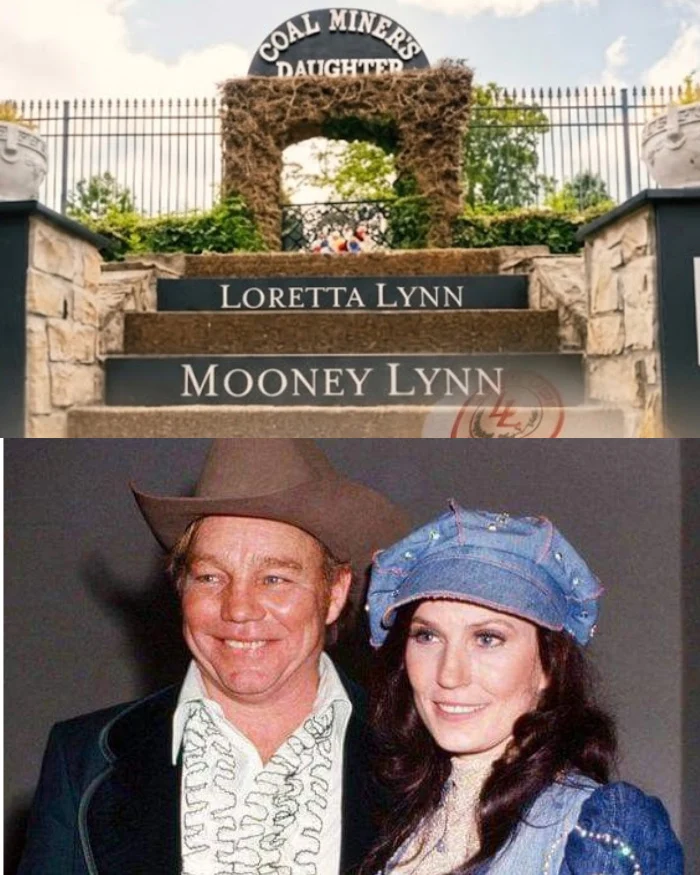
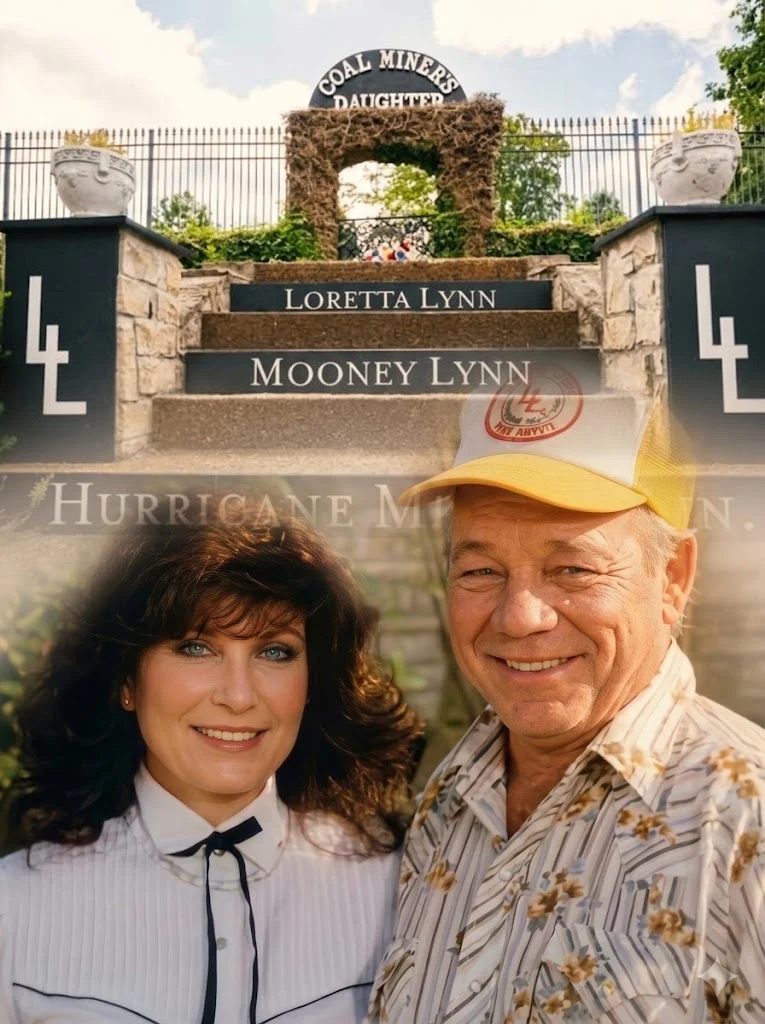
Now resting side by side at their Tennessee ranch, their shared gravesite represents the ultimate forgiveness of a fiercely complicated love. The marriage was never perfect, but the music it created will never fade.