
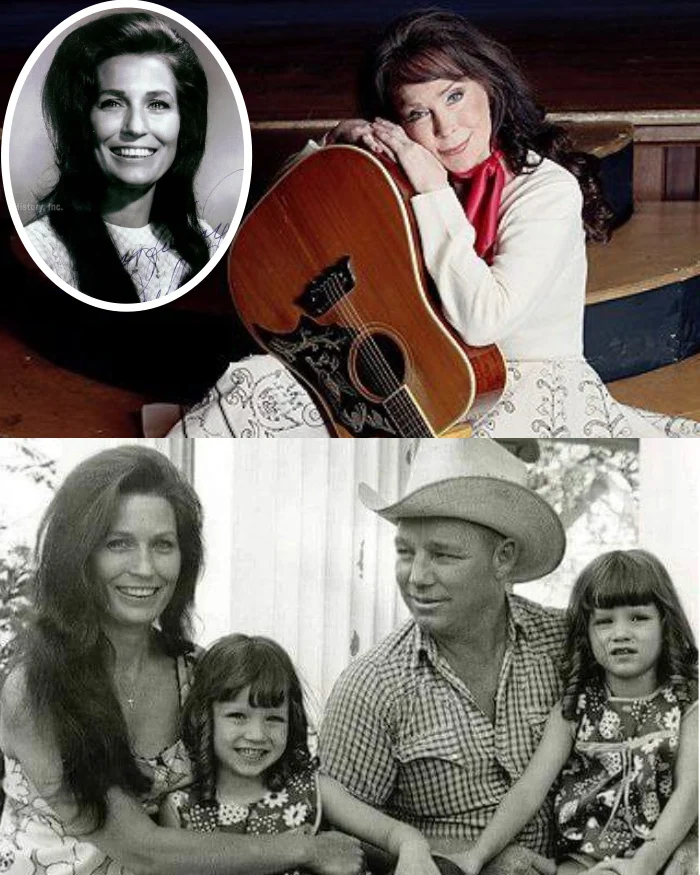
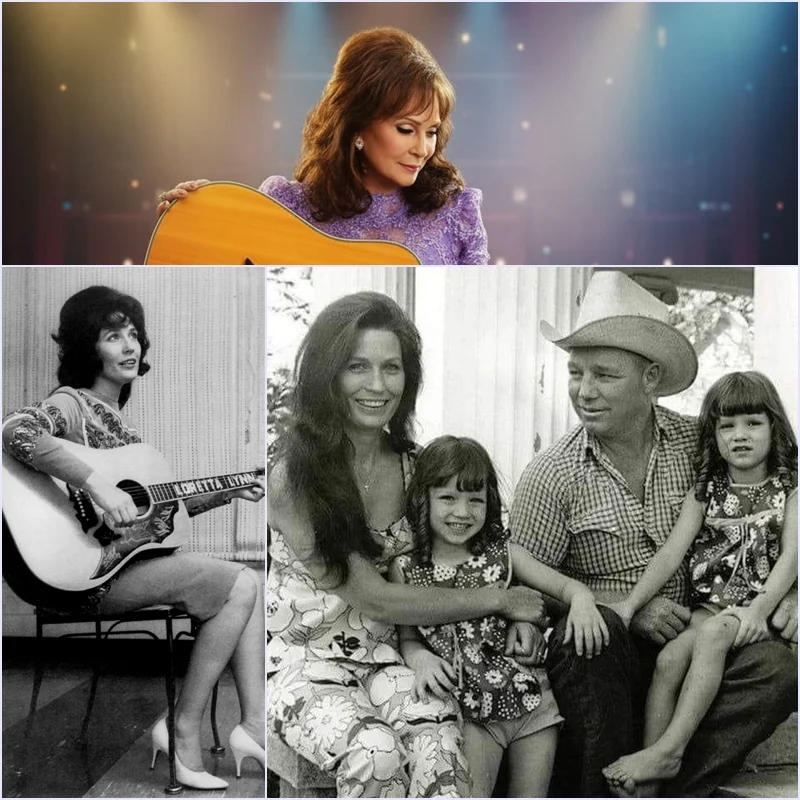
Before the lights of the Grand Ole Opry, Loretta Lynn stood in a small kitchen with a baby on one hip and aching bare feet.
She was not trying to rewrite the rules of country music.
She was tired of being pushed aside.
In the mid 1960s, Nashville expected women to be gentle, patient, and quiet about heartbreak.
They wanted songs about loyalty and silence, not anger and strength.
Loretta had no polished team of writers and no record executive telling her what she could say.
She had chores, unpaid bills, a dull pencil, and a frayed notebook.
While dishes waited and a baby cried, she wrote a blunt warning to the woman who had been eyeing her husband.
She did not ask permission.
She did not soften the truth.
She simply put down what a loyal wife says when she is pushed too far.
When You Ain’t Woman Enough To Take My Man reached the radio, the industry hesitated.
Many thought the words were too bold for a woman to sing on the air.
But listeners did not hesitate.
Housewives, waitresses, mothers, and tired women across the country heard themselves in her voice.
They called radio stations. They bought records. They found a song that gave them courage.
Loretta would later sell more than forty five million records, win three Grammy Awards, and become the first female artist named Entertainer of the Year.
Her name became linked with rural pride, independence, and a voice that would not flinch.
Yet the story that still moves people most is not the rhinestones or the fame.
It is the kitchen.
It is the bare feet.
It is the pencil moving across a worn page while a mother refuses to disappear.
True courage does not always need a stage. Sometimes it begins with a tired woman drawing a line in the sand.
That single honest warning helped open a door for millions of silent women.
It changed the sound of country music because it changed who was allowed to speak.