
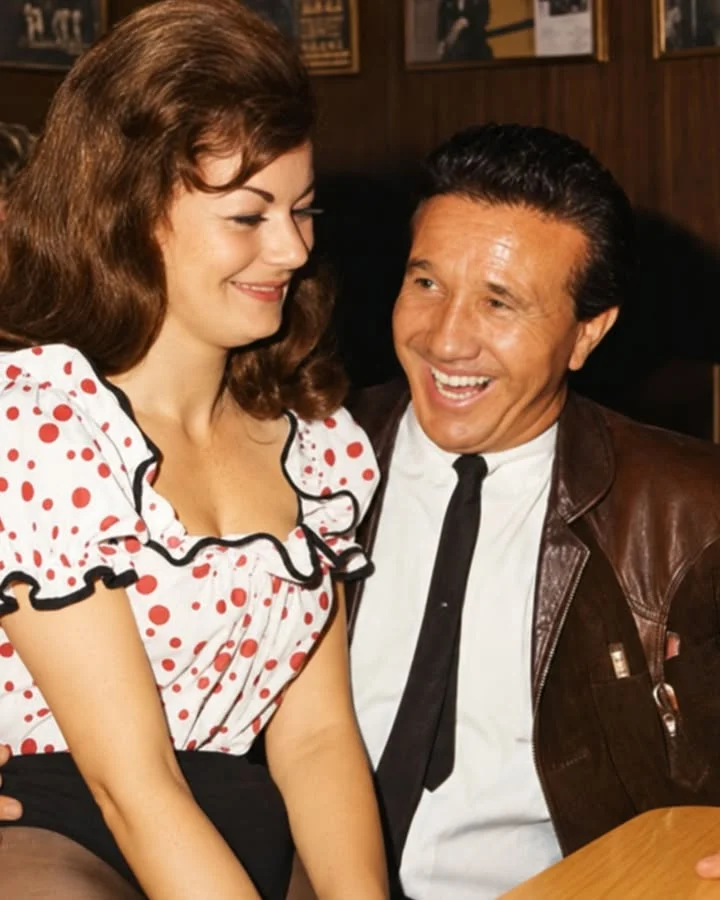
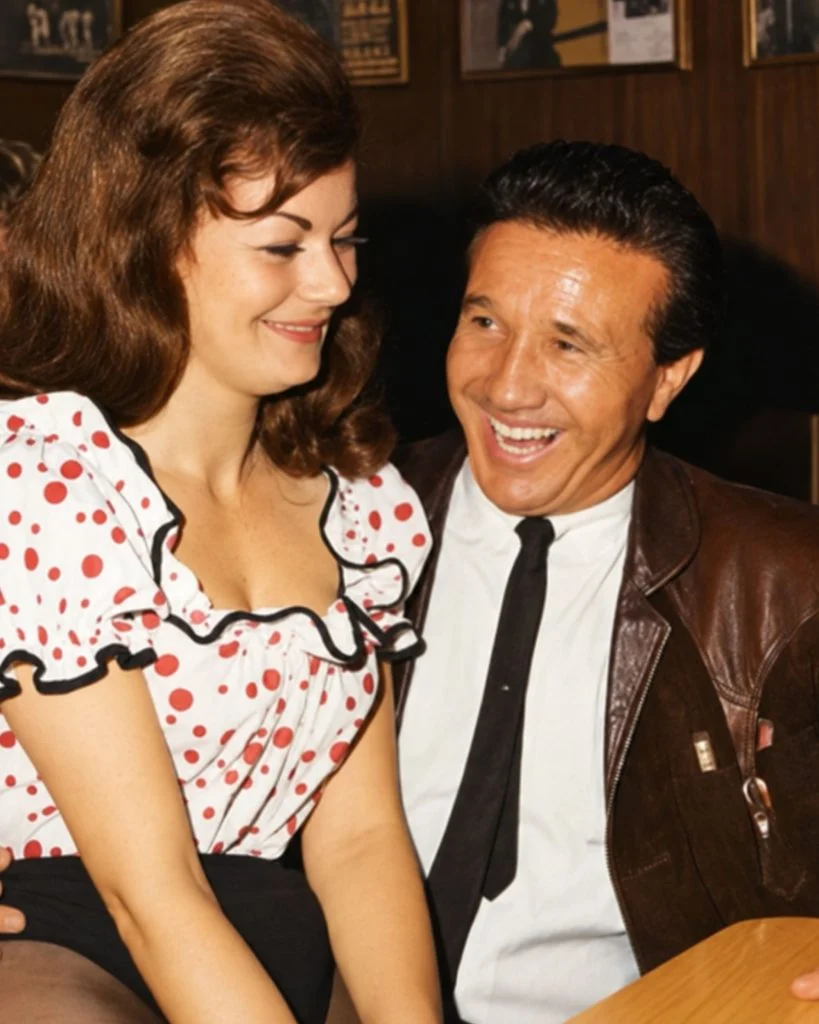
In August 1969, Marty Robbins’ heart stopped being a reliable engine. At forty-three, he suffered his first major heart attack. Five months later, surgeons opened his chest for coronary bypass surgery, a procedure still so new that survival was not guaranteed. Between those two events, Robbins recorded “My Woman, My Woman, My Wife.” The woman was Marizona Baldwin, whom he had married in 1948. She had known him before “El Paso,” the Grand Ole Opry, television shows, and the stock cars he drove at speeds few heart patients would have considered sensible. By 1969, they had been married for more than twenty years and raised two children.
Robbins later connected the song to his hospitalization, saying the experience showed him what a woman endured across a shared life. Over time, the story hardened into the image of him writing the entire lyric from a hospital bed. His biographer found evidence that the song existed earlier and was likely refined during his illness. Robbins himself once told Ralph Emery that he had written it on a bus. The less cinematic truth carries more weight. The heart attack did not necessarily create the song. It changed what Robbins understood himself to be saying.
He recorded it on January 2, 1970. On January 27, surgeons operated on his blocked coronary arteries. He recovered quickly enough to receive an Academy of Country Music award three months later and returned to NASCAR competition that October. “My Woman, My Woman, My Wife” reached No. 1 and earned Robbins the Grammy for Best Country Song. Its language belonged to an older style of marriage, but its gratitude was specific: a restless man acknowledging the person who had absorbed the consequences of his restlessness.
“The heart attack gave the song a new weight. Lines of gratitude that might have remained general now had a woman’s name and more than twenty years of shared life behind them.”
Robbins would live with heart disease for the remainder of his life. He kept touring, recording, and racing until shortly before his death in 1982. The song survived as a love letter to Marizona. It did not need to have been born beside a hospital bed. The man who carried it into the studio already knew the words. The failing heart taught him how little time he might have left to mean them.