
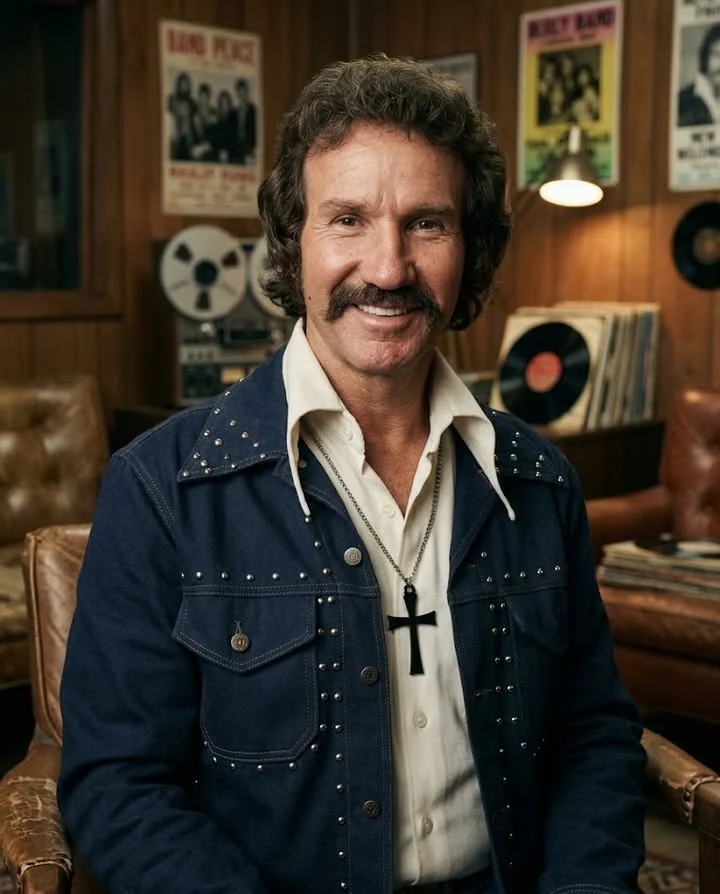
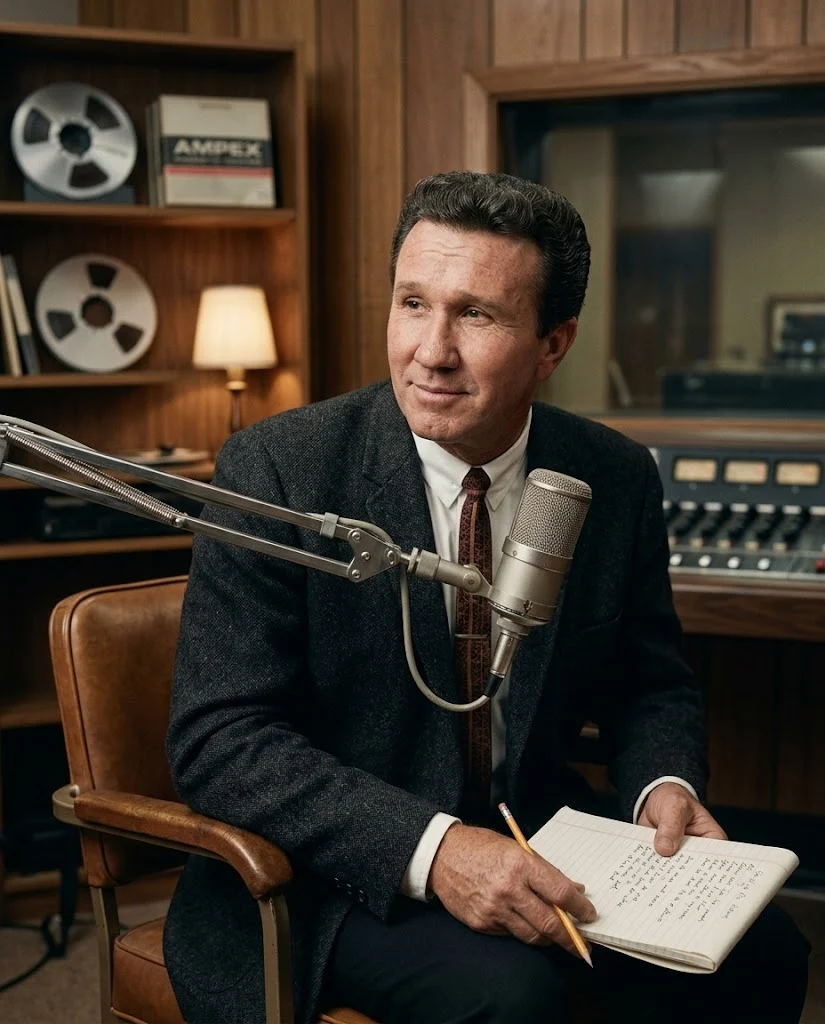
Marty Robbins left this world in 1982 at only 57. The headlines called him a cowboy. The tributes played ‘El Paso’ on repeat. But beneath the dust and the gunpowder, a quieter tragedy had been unfolding for decades. The man who sang about a dying outlaw had been mastering the sound of a broken heart long before anyone ever handed him a hat and a six-shooter.
Long before he became the voice of the Wild West, Nashville saw something fragile in him. They whispered a nickname that stuck: ‘the boy with the teardrop in his voice.’ It was not about loud sorrow. It was about restraint. Marty Robbins could make a single word tremble without ever losing control. That was his gift.
In early songs like ‘I’ll Go On Alone,’ he did not sound like a star. He sounded like a man standing in an empty room, trying to convince himself he could survive the night. No dramatic collapse. No begging. Just a quiet ache that lingered long after the needle left the record.
‘He could stand inside a song without forcing it open. He let silence do part of the singing.’
Then came ‘El Paso.’ The song was epic. It was cinematic. It told the story of a cowboy who rode back toward love and died in the dust. Critics called it a breakthrough. Fans called it a masterpiece. But Marty knew better. He was still singing the same thing he had always sung. He was singing about a man bleeding from a broken heart.
The bullet in ‘El Paso’ is just a prop. The real death happens earlier. It happens the moment the cowboy cannot leave Felina behind. It happens when hope overrides reason. Marty understood something profound about masculinity. The toughest men often carry the deepest wounds. They just hide them behind a hat and a story.
When his heart gave out in 1982, country music lost a giant. But it also lost one of its most honest interpreters of male vulnerability. Marty Robbins did not just tell stories about outlaws. He revealed the same broken heart beating inside every man. Whether you were a cowboy in El Paso or a lonely boy in a white sport coat, heartbreak sounded exactly the same.
So listen again to the early records. Listen to the quiet songs. Listen to the way his voice brushes against a lyric and leaves a bruise. The cowboy hat did not create the sorrow. The outlaw narrative did not invent the wound. The teardrop was there all along. It had always been there. And it never stopped beating.