
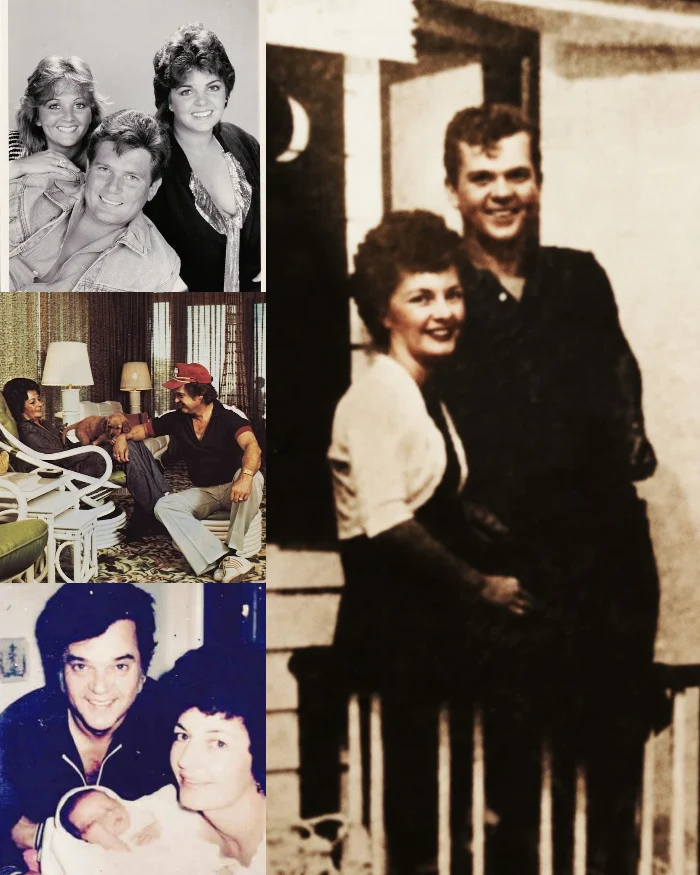
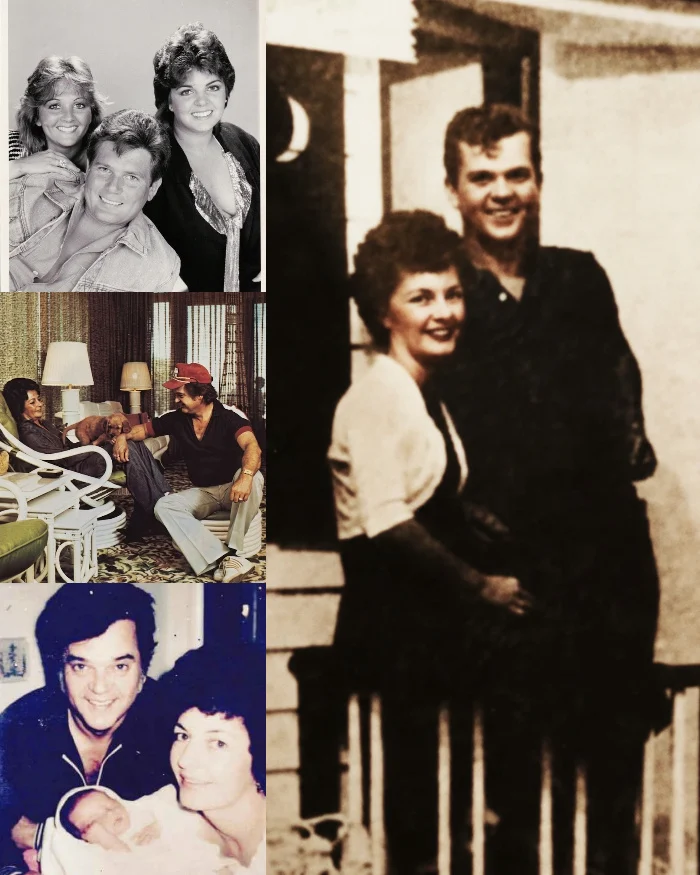
When Conway Twitty collapsed after a show in Branson, Missouri, in 1993, the country music world lost a legend. The quiet woman who had spent nearly three decades holding his family together stayed out of the spotlight. Mickey Jenkins never remarried. She chose the peace of home, children, and memory over fame.
For 28 years, Mickey raised Kathy, Joni Lee, and Jimmy largely alone. From 1956 to 1984, Conway kept one of the most relentless touring and recording schedules in American music. While he recorded a historic string of number-one country singles, Mickey lived the daily reality of a single mother.
When they married in 1956, Harold Jenkins had not yet become Conway Twitty, the industry giant. By the 1970s, he was performing constantly across the country. He spent most of each year on a tour bus. Mickey remained in Hendersonville, Tennessee, with her children, managing the household, caring for sick kids at night, and providing the steady presence their home needed.
Her time with her husband was measured in scattered days rather than months. She had to be both mother and father. She also had to protect her children from the harsh machinery of fame.
Mickey had a natural talent for architecture and interior design. That gift could have launched a prominent commercial career. Instead, she poured it into their family home. In a town where country music stars often blurred public fame and private life, she built a secure sanctuary.
Her home was not an extension of his stage. It was a place where her children could grow up normal, calm, and shielded from rumors.
The deepest achievement of those years was emotional labor. Mickey absorbed loneliness and frustration without letting the heavy toll of absence fall on the children. She never encouraged Kathy, Joni Lee, and Jimmy to resent their father.
She kept Conway connected to them. She preserved a loving image of Harold Jenkins the father, buffering the distance and maintaining his place in the family structure.
The strain was real. The couple divorced briefly in early 1970, then quietly remarried by the end of the year as they tried to hold the family unit together. For another fourteen years, Mickey continued to manage the Hendersonville home while Twitty remained on the road.
By 1984, after 28 years of trying to bridge a quiet family life and an all-consuming music career, the marriage ended permanently. Mickey stepped away from the public association of being the star’s wife and returned to the privacy she had always preferred.
Conway Twitty reached the absolute pinnacle of his profession and set chart records that stood for decades because he had an unshakable anchor at home. Mickey bore the weight of the private sacrifice that made his public legacy possible. She chose to remain in the shadows so her children could have a normal childhood and her husband could have the world.