
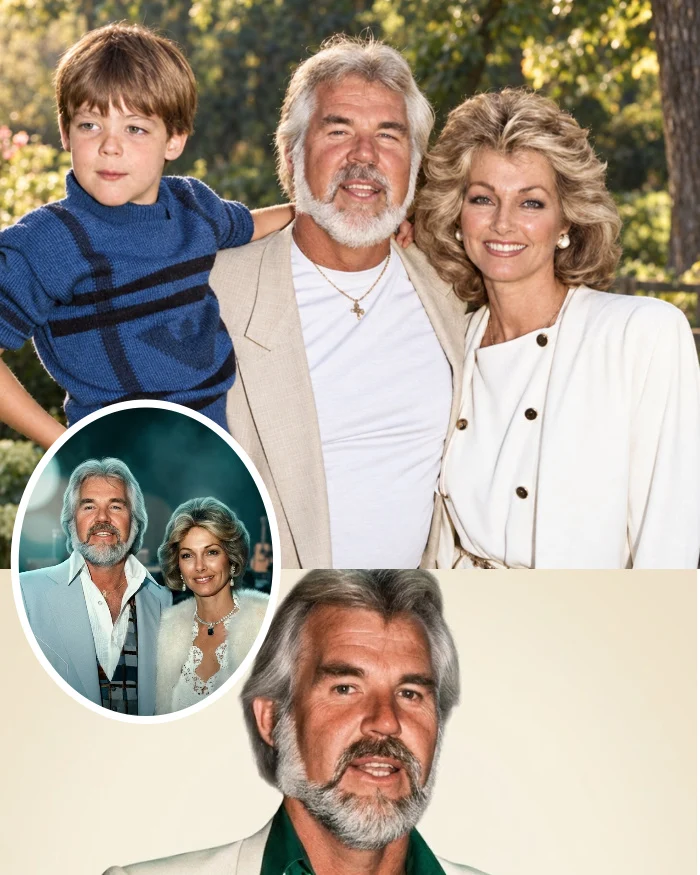
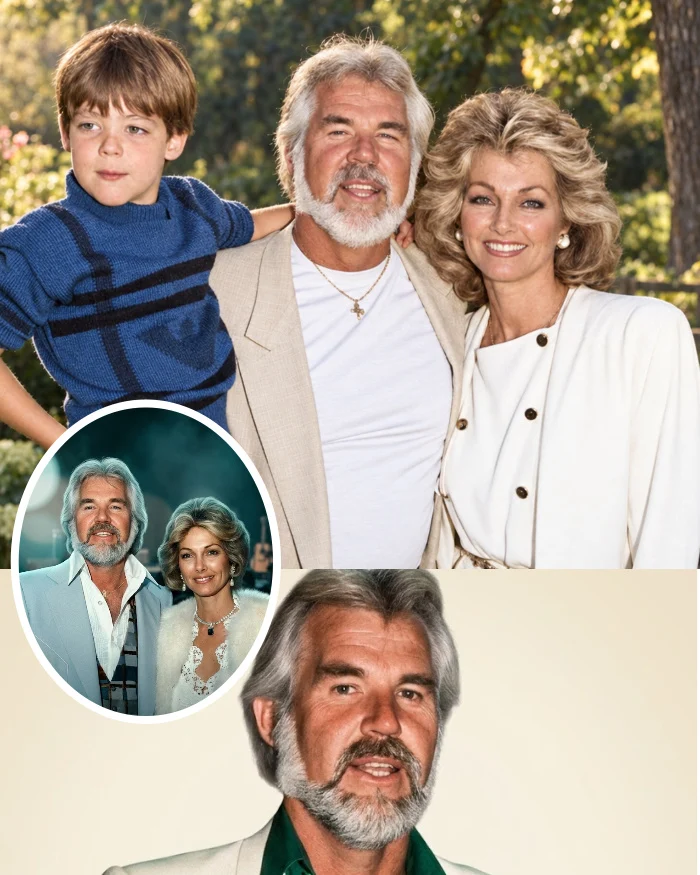
In March 2020, after Kenny Rogers died peacefully at eighty-one, Marianne Gordon did not measure their history in headlines or courtroom figures. She remembered a devoted father and a gentleman who never forgot the person who believed in him first. That quiet loyalty traced back to a moment when the world had written him off and she had not.
By 1974, Rogers was thirty-six years old, sixty-five thousand dollars in debt, and watching his third marriage, his band, and his career come apart at the same time. The First Edition had fractured. Rock radio had moved on. Country labels looked at his crossover past with skepticism. Bookings that once paid his bills had dried up almost overnight, and his contract with United Artists felt uncertain at best.
During that bleak stretch, Rogers visited the Nashville set of the hit television show Hee Haw as an obscure guest. There he met Marianne Gordon, a recognizable and sought-after cast member with steady screen work, financial security, and a rising Hollywood profile. The contrast was stark. She had options. He had overdue bills and a career in freefall.
Gordon was neither intimidated by his struggles nor dazzled by his past hits. Where music executives saw a spent singer whose best years were behind him, she saw a decent, hardworking man with a voice that still had something real to offer. That belief became a lifeline.
Between 1974 and 1976, Gordon chose to share his leanest days. She stepped away from prime studio opportunities and high-profile film auditions in California. She traded comfortable dressing rooms for cramped seats on highway buses during grueling early solo tours. She stayed beside Rogers as he searched for his footing in country music, and her confidence quieted the panic and self-doubt that nearly drove him to quit singing altogether.
Those long highway miles carried candid conversations about direction and survival. With Gordon’s backing, Rogers teamed up with producer Larry Butler at United Artists Records in Nashville. They intentionally stripped away flashy pop production and focused on timeless, conversational story songs that suited his mature vocal tone.
The gamble paid off in 1977. Lucille crossed over as an international sensation, topped the country charts, climbed pop rankings around the globe, earned Rogers his first Grammy Award, and reversed his personal insolvency. On October 1, 1977, Rogers and Gordon married in an intimate ceremony that marked the start of his most successful era.
Over the next decade, Rogers became a global touring giant. Stadium tours, prime-time television specials, and multi-platinum albums helped define modern country music, with historic hits like The Gambler and Coward of the County. Behind the sellout arena dates lay an exhausting pace. Rogers routinely logged more than two hundred tour stops a year while Gordon maintained their domestic sanctuary and cared for their young son, Christopher Cody Rogers.
The relentless touring eventually took a quiet toll. After sixteen years of marriage, the couple divorced amicably in 1993. When the court finalized a sixty-million-dollar divorce settlement, national headlines framed the payout as a massive financial setback for the singer. Rogers refused to join the tabloid narrative.
For the rest of his days, he openly defended Gordon in interviews and in his 2012 memoir, Luck or Something Like It. He insisted that she had earned every single dime by standing beside him when no one else would touch his career.
She earned every single dime by standing beside me when no one else would touch my career.
Gordon echoed that deep gratitude in his later years. When Rogers passed away peacefully in March 2020 at the age of eighty-one, she remembered him not through the lens of courtroom accounting but as a devoted father and a gentleman who never forgot the person who believed in him first.
The arena lights and record-breaking contracts established Kenny Rogers as an icon, but his fortune truly began on the empty highways where one woman chose to share the silence before the applause returned.