
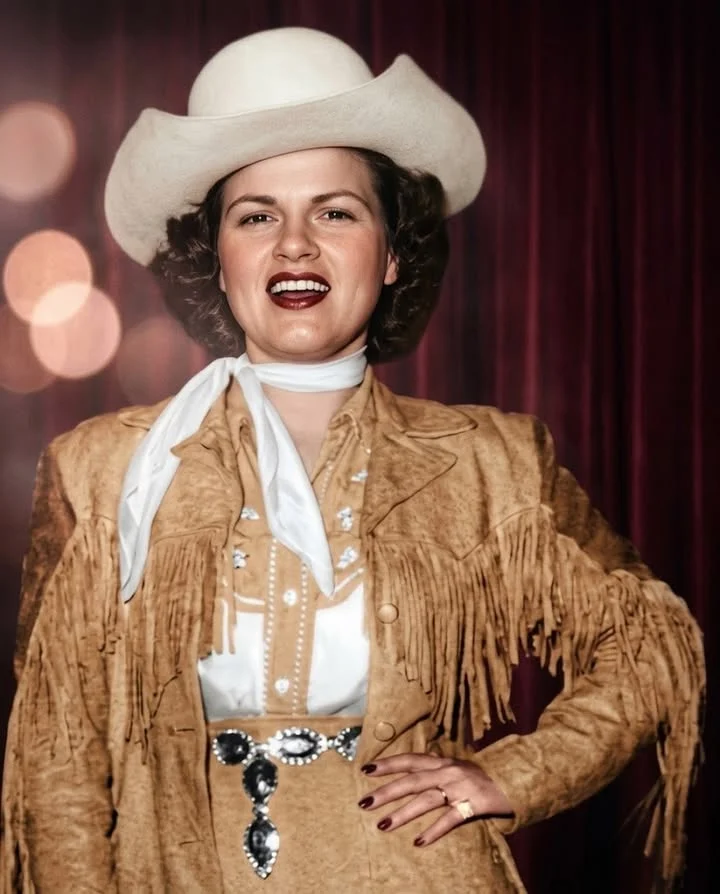
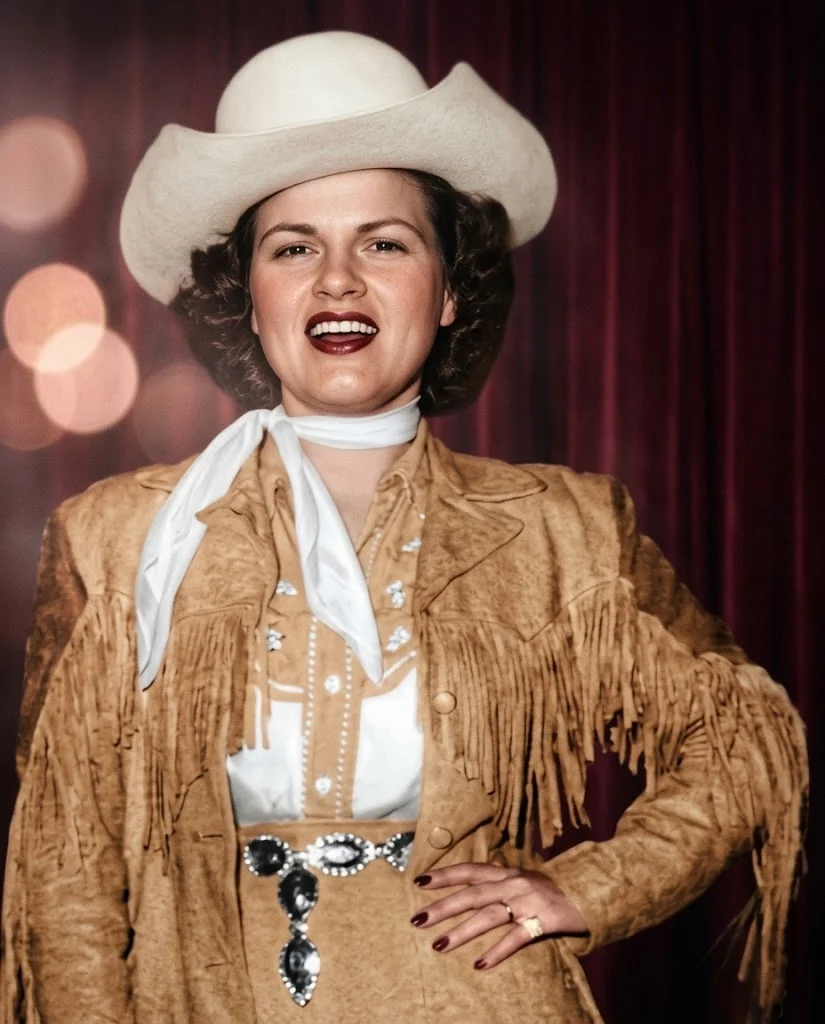
Patsy Cline spent her last weekend singing for a grieving family, then boarded a small plane that would take her away from her husband and two young children.
On March 5, 1963, the thirty year old singer was coming home to Nashville from Kansas City. She had finished three benefit shows at the Soldiers and Sailors Memorial Building. The concerts raised money for the widow and children of “Cactus” Jack Call, a local radio DJ killed in a car crash.
During her final performance, she wore a white chiffon dress and gave the crowd the songs that made her a household name. When the last note faded, she turned her thoughts toward her front door, her husband Charlie Dick, and her children Julie and Randy.
Severe storms and high winds covered the region. Fellow singer Dottie West also performed at the benefits and felt uneasy about the sky. She offered Cline a safe ride back in a car.
Cline respectfully declined. The drive would take too long, and she wanted to reach home as quickly as possible. Before they parted ways, she brushed off the weather worries.
“Don’t worry about me,” Cline reportedly told West. “When it’s my time to go, it’s my time.”
She boarded a light Piper Comanche flown by her manager Randy Hughes. Grand Ole Opry stars Cowboy Copas and Hawkshaw Hawkins were also on board.
The aircraft met heavy turbulence and blinding fog. Hughes lacked advanced instrument training for such conditions and lost his bearings. Just 90 miles short of Nashville, the plane went down in a wooded area near Camden, Tennessee. Everyone aboard died instantly.
Rescue workers found Cline’s wristwatch in the wreckage. Its hands were frozen at 6 20 in the evening, marking the moment country music lost one of its defining voices.
The tragedy shook Nashville and ended a career that had changed how female artists were viewed, respected, and paid. In the weeks before the crash, close friends noticed that Cline had quietly given away personal items and updated her will, as if she sensed an end approaching.
Loretta Lynn felt the loss with special pain. Years earlier, Cline had welcomed Lynn into her home, given her stage clothes, and offered protective guidance in a male dominated business. After the crash, Lynn carried her mentor’s memory forward. She spoke about Cline in interviews, refused to let Music Row move on, recorded a tribute album, and named one of her twin daughters Patsy.
Patsy Cline left the world trying to help a family facing sudden grief. Her final stage was not built around a personal victory. It was built around grace, loyalty, and the belief that a voice can still serve others when it is needed most.