
Introduction And Short Summary Of The Song
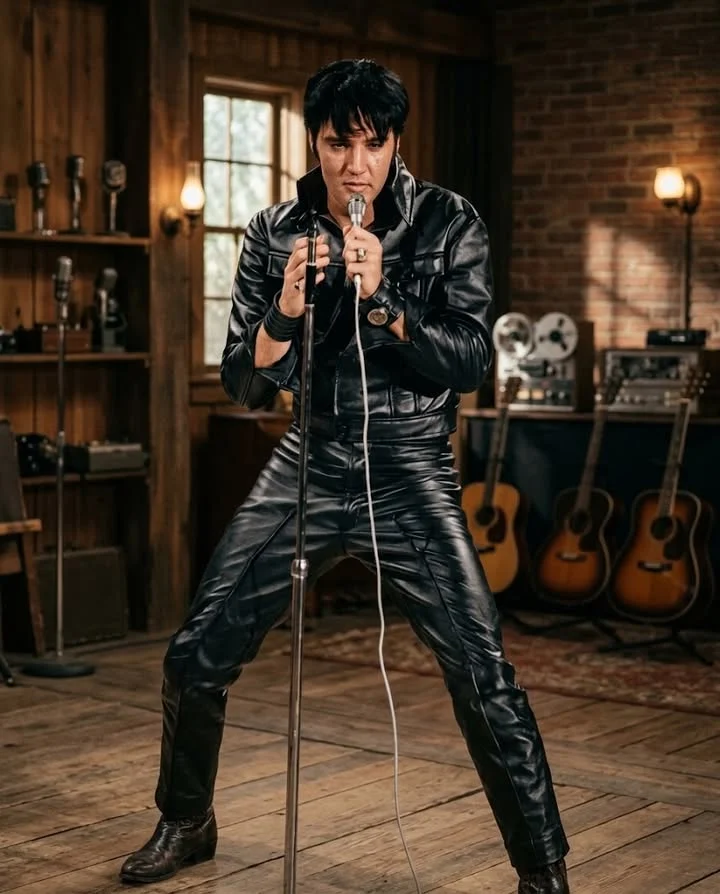
Behind the cheerful movie scene lay the quiet frustration of the Hollywood years of Elvis Presley. Yet when he stepped up to the microphone, his work ethic remained intact, and he made the song swing.
Released in February 1965 as part of the soundtrack for the film Girl Happy, Do the Clam is one of the most playful and dance oriented singles of Elvis Presley from the mid 1960s. Written by Sid Wayne, Ben Weisman, and Dolores Fuller, the track was crafted to fit the beach party vibe of the movie and to tie in with the dance craze trend that was sweeping pop culture at the time. With its upbeat rhythm, catchy chorus, and humorous dance instructions, the song was designed more for fun than for depth. Though often considered lightweight compared to the more serious material of Presley, it achieved moderate chart success and remains a quirky and nostalgic example of the soundtrack era of Presley.
Origins Of The Song
By the mid 1960s, Presley was deeply involved in Hollywood films, many of which followed formulaic musical comedy structures. Girl Happy, released in 1965, was a lighthearted spring break movie set in Fort Lauderdale, Florida, and its soundtrack leaned heavily on fun and beach themed numbers.
Do the Clam was written by Sid Wayne and Ben Weisman, both longtime collaborators of Presley, and actress turned songwriter Dolores Fuller, who had previously dated rock icon Eddie Cochran and later became known for her quirky songwriting contributions. The song was specifically crafted to introduce a fictional dance, the clam, much in the vein of popular 1960s novelty dances like The Twist or The Mashed Potato. Presley recorded the track on June 12, 1964, at Radio Recorders in Hollywood. Under a relentless movie contract managed by Colonel Tom Parker, he was required to churn out three soundtrack albums a year.
Why Elvis Released Do The Clam
RCA released Do the Clam as the lead single from the Girl Happy soundtrack in February 1965. The decision to promote it was driven by the popularity of dance craze singles during the early 1960s. With The Twist by Chubby Checker and other novelty dance numbers still fresh in pop culture memory, the idea of launching another new dance through an Elvis Presley film seemed commercially promising.
The single peaked at number 21 on the Billboard Hot 100 and number 19 on the Cash Box chart. Internationally, it performed even better, reaching number 4 in Australia and entering the Top 10 in Canada. While not a blockbuster hit, it was a respectable showing during a time when the chart power of Presley was being tested by the British Invasion.
The Message Conveyed In The Song
Lyrically, Do the Clam is straightforward and fun, inviting listeners to join in the new dance craze.
Hey everybody, gather round,
Listen to that bongo sound.
The lyrics combine beach party imagery with instructions to move, clap, and do the clam. Unlike the dramatic ballads or soulful numbers of Presley, this track does not aim for emotional depth. It is pure entertainment, designed to get audiences moving and smiling.
The delivery of Presley, however, brings extra charisma to the lightweight lyrics. He leans into the humor of the song with playful phrasing and energetic vocals, turning it into a novelty track that thrives on charm rather than substance. Backed by the familiar harmonies of The Jordanaires, Elvis leaned into his unmistakable baritone and did not treat the session like a joke.
The Recording And Musical Characteristics
Musically, Do the Clam reflects the pop rock style of the mid 1960s soundtracks of Presley, with a rhythm suited for dancing.
Vocals
Presley delivers the song with enthusiasm and playful energy, clearly enjoying the tongue in cheek nature of the track.
Instrumentation
The arrangement features prominent bongos, guitar, bass, and drums, with handclaps reinforcing the dance feel. The percussion heavy sound emphasizes rhythm over melody.
Backing Vocals
The Jordanaires provide light harmonies, supporting the fun and communal atmosphere.
Mood
Cheerful, bouncy, and humorous, the song captures the lighthearted vibe of a beach party.
The combination of percussion and vocal energy makes the song feel like a novelty dance record, perfectly suited for its role in Girl Happy.
Cultural And Commercial Impact
While Do the Clam was not one of the most critically acclaimed singles of Presley, it achieved moderate commercial success and became a memorable part of his 1960s soundtrack output. Its Top 30 showing on the charts in the United States and stronger international performance confirmed the enduring appeal of Presley, even when releasing novelty material.
Culturally, the song represents both the strengths and weaknesses of the Hollywood years of Presley. On one hand, it showcased his ability to inject fun and charisma into even the silliest material. On the other, it illustrated how often his talent was constrained by formulaic film demands, as RCA prioritized promoting movie tie in singles over more ambitious recordings.
Legacy Of Do The Clam
Today, Do the Clam is often remembered with a mixture of fondness and amusement. While it is rarely ranked among the greatest songs of Presley, it has become something of a cult favorite for its quirky charm and playful energy. Fans often view it as a snapshot of the lighter and more carefree side of Presley during the mid 1960s.
For Presley enthusiasts, the song illustrates his professionalism and charisma. Even when saddled with novelty material, he delivered it with enthusiasm and made it entertaining.
More broadly, the track stands as a reminder of the cultural trends of the 1960s, when novelty dances and beach party themes were highly marketable. The participation of Presley in this trend, even through a song as whimsical as Do the Clam, demonstrates his role as a cultural chameleon who adapted to the entertainment landscape of his time.
More than half a century later, Do the Clam survives not as a chart topping classic but as a fun and quirky entry in the discography of Presley. It reminds listeners of his charm and humor and his ability to turn even the lightest material into an enjoyable performance. How he truly navigated the tension inside those recording sessions, and the boiling creative hunger that eventually pushed him toward his explosive 1968 Comeback Special, remains a defining chapter of his musical evolution.