
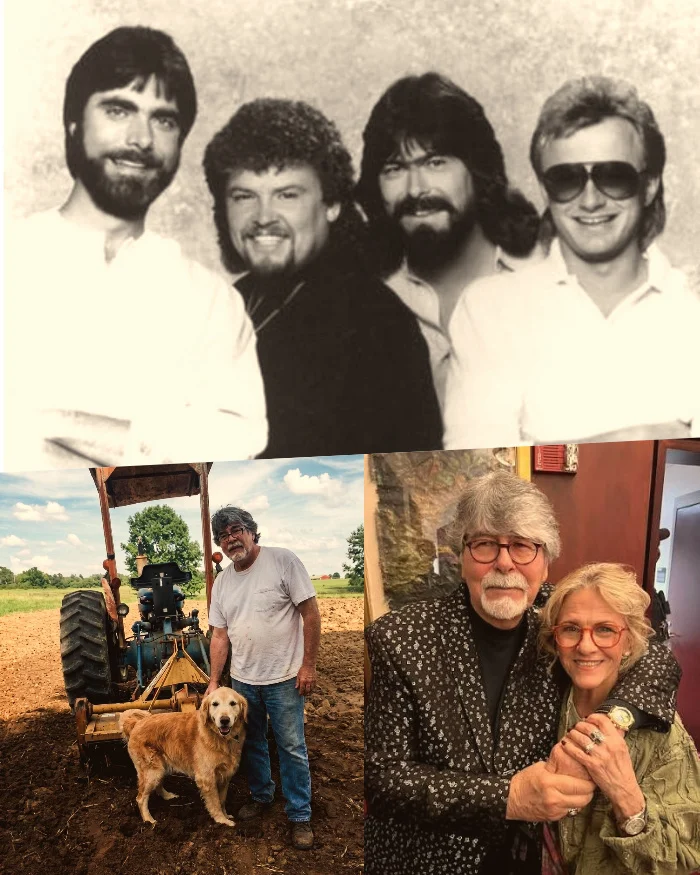
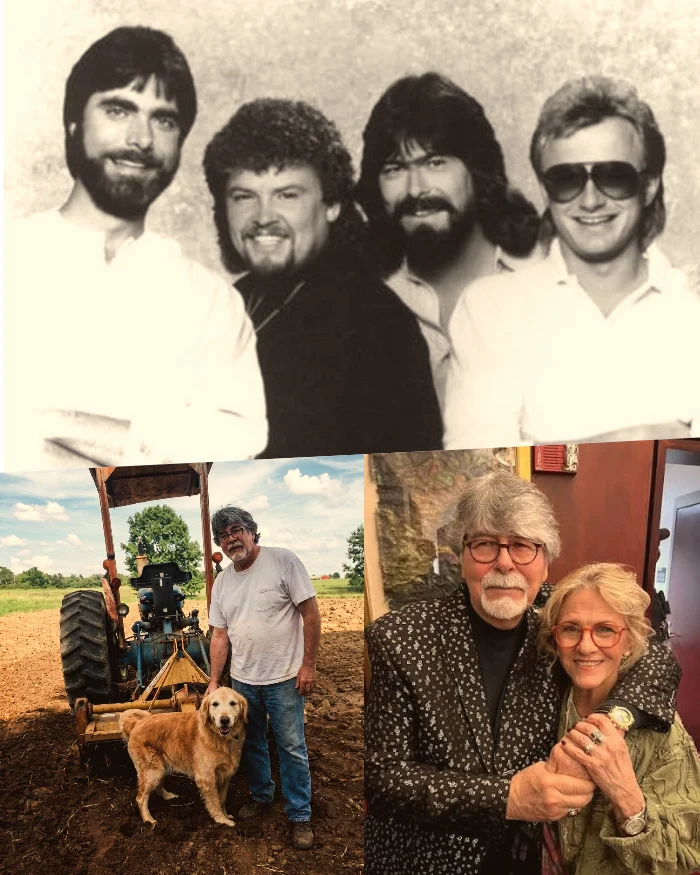
At the roaring peak of the 1980s, Alabama was selling more than 73 million records and owning the country charts, yet lead singer Randy Owen kept his hands in the soil. He and his wife Kelly could have bought a glittering estate in Nashville or Los Angeles. Instead they returned to Fort Payne, Alabama, and built a working cattle farm on Lookout Mountain.
The contrast became the rhythm of his life. On Saturday nights Owen stood under blinding lights before tens of thousands of screaming fans. By Monday morning he was back in worn-out jeans, driving a tractor across DeKalb County pastures, shoveling manure, and tending the herd.
He did not treat farming as a celebrity hobby. The Owen family established Tennessee River Music, Inc. as a serious agricultural operation dedicated to raising purebred Polled Hereford and Angus cattle. The farm demanded real work, real responsibility, and real devotion to the land.
That grounded life also became a protective wall around his family. Randy and Kelly married in 1975, long before the band’s historic breakthrough. Their children, Alison, Randa, and Heath, grew up far from the toxic noise and artificial privileges of the entertainment industry.
The couple traded red carpets for early mornings in the barn. The Owen children learned dirt, sweat, and genuine effort. Instead of industry parties, they spent weekends washing, grooming, and showing cattle at local and national agricultural exhibitions.
The farm demanded participation from everyone. It taught the children that platinum records on the walls did not replace waking up early and honoring responsibilities to the animals and the land.
Over the years Tennessee River Music became a highly respected name in the cattle industry. Owen hosted massive annual production sales on the Lookout Mountain property. Buyers traveled from across the country to Fort Payne not to see a country music star but to purchase top-tier cattle from a dedicated and knowledgeable breeder.
That rural existence protected his career as fiercely as it protected his family. Owen lived shoulder-to-shoulder with the agricultural community he sang about. When he sang about Southern life, blue-collar struggles, and mountain roads, he was not performing a character. He was describing the people he saw at the feed store and the local diner every week.
Alabama’s legacy is permanently secured in the Country Music Hall of Fame. For Owen, the greatest achievement was not the countless awards, the historic stadium tours, or the staggering record sales.
The real victory was the quiet, unglamorous life waiting for him in Fort Payne when the stage lights finally went down.
Decades after the band’s commercial peak, he is still walking those same pastures on Lookout Mountain, watching over the herd he and Kelly built from the ground up.