
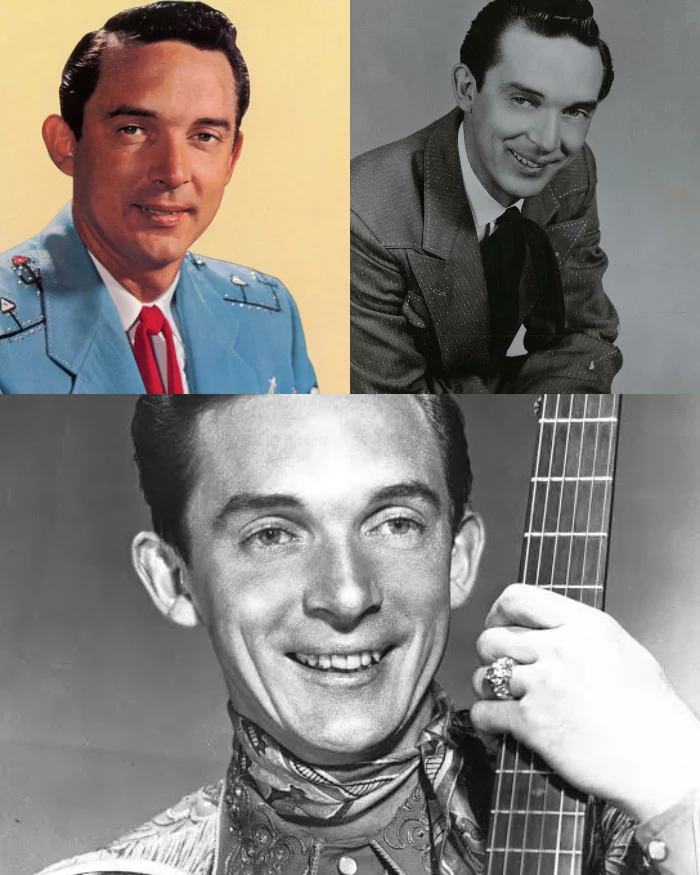
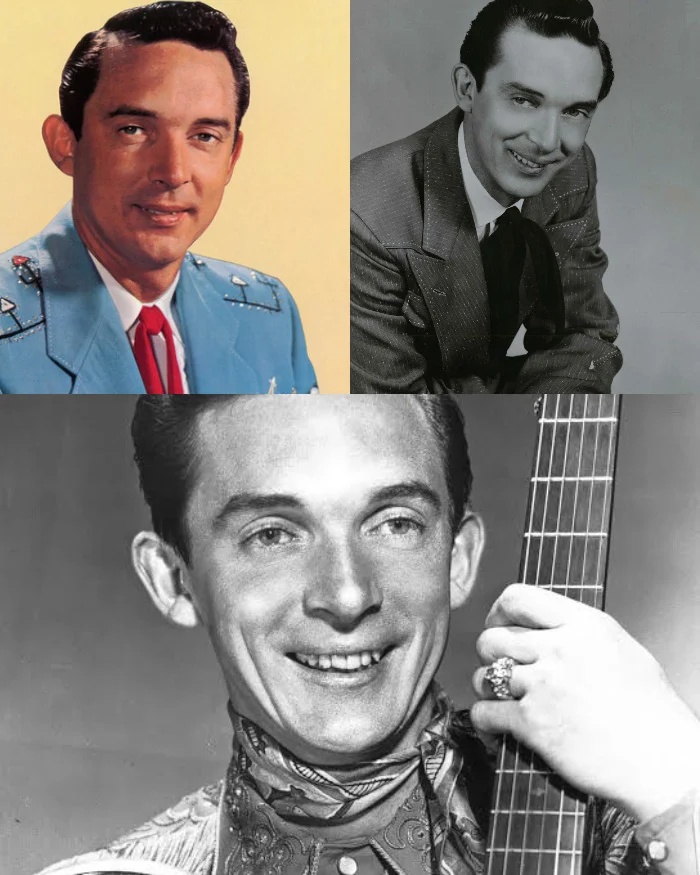
For 20 consecutive weeks in 1956, one steady shuffle kept Ray Price at the top of the country chart, and the victory did more than save a struggling career. It broke the spell of Hank Williams and rebuilt the physical foundation of Nashville.
Price had spent years trying to outrun the shadow of his former roommate and close friend. When Hank Williams died, Price inherited the emotional burden of the legend’s band and reputation. Nashville increasingly treated him as an echo, a safe replacement rather than a singular voice. The accepted formula was the traditional 2/4 honky-tonk beat, and producers insisted it was the only rhythm that kept records alive.
Instead of fading into imitation, Price and his Cherokee Cowboys made a bold studio choice. They built “Crazy Arms” around a heavy 4/4 walking bassline, abandoning the familiar country time signature. The move sounded risky because the driving pulse belonged more to dance hall swing than to the Nashville standard.
Price did not need another safe hit. He needed a rhythm that made people move.
The gamble found its audience in smoky Texas dance halls. Working-class patrons heard the continuous beat and stepped to it across sawdust floors. “Crazy Arms” became a physical experience, a shuffle that changed how bodies moved inside crowded rooms.
The jukebox response was overwhelming. The record seized the Billboard country chart and held number one for 20 consecutive weeks. Month after month, Price watched the shuffle prove that he was no longer a stand-in for a lost legend. He was an architect with his own foundation.
Music Row panicked. Major labels saw the quarters flowing toward Price and realized the old 2/4 pulse was beginning to sound thin. Executives pushed session players to adopt the heavier 4/4 feel, and studio crews adjusted their rhythm tracking. The “Ray Price Shuffle” became the heartbeat of country recordings through the late 1950s and into the 1960s.
The shift was not only technical. It was an act of survival. With the twin fiddles and driving shuffle, Price transformed himself from a struggling performer into a defining leader of the genre. His Cherokee Cowboys became a proving ground for future mavericks, and the beat he built kept country music walking for decades.