
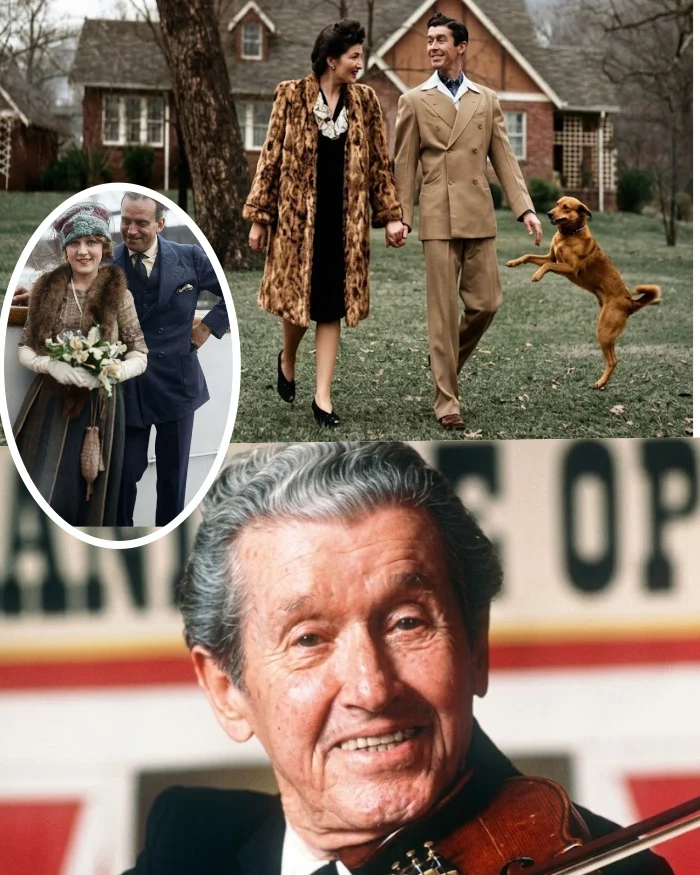
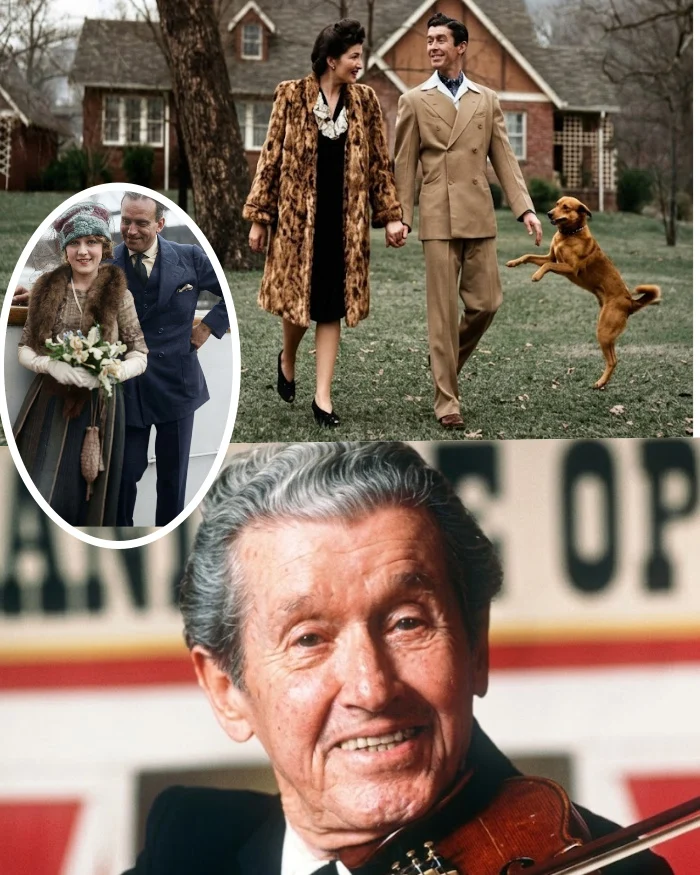
When Roy Acuff walked into Dunbar Cave in 1948, he saw more than a limestone opening and a tired mineral springs resort. He saw a cool summer haven for farmers, mill hands, and families who needed a place to dance without paying a fortune.
Acuff bought the Montgomery County, Tennessee, property just outside Clarksville and turned the cave mouth into an open-air stage. The fifty-four-degree air pouring from the cavern softened the heat of the Cumberland River basin, while a massive wooden dance floor invited thousands of weekend visitors from Kentucky, Alabama, and middle Tennessee. Square dances, Opry stars, and touring big bands made the grounds feel like a living country music festival.
The public knew Roy for his fiddle and high tenor voice. The harder truth lived in ledgers, vendor bills, and daily operations. His wife, Mildred Douglas Acuff, co-owned the property and managed every moving part of the enterprise.
Mildred had already helped build Acuff-Rose Publications six years before the cave purchase, and she brought that disciplined mind to a resort at a time when many rural attractions ran on loose cash records. She signed the legal deeds, organized the operating budget, and made sure invoices and contracts were paid on schedule. She separated admission fees for the dance floor from bathhouse rentals, lake concessions, and swimming passes so working families could choose how to spend their afternoon. Her rigorous daily auditing prevented seasonal losses and kept the park self-sustaining through fluctuating attendance.
On humid summer Saturdays, Mildred stood near the ticket booth, oversaw the kitchen staff, and balanced the daily cash ledgers. While Roy rehearsed near the stage, she walked the entrance grounds, greeting farm families, coal workers, and factory hands by name. Her warmth made visitors feel welcomed, not simply managed.
Roy drew the crowds, but Mildred created the quiet hospitality that brought ordinary folks back.
Her discipline absorbed the grinding business logistics of a bustling commercial park and freed Roy to perform, tour, and build creative projects without the crushing weight of venue management. Under their shared stewardship, Dunbar Cave became one of Tennessee’s premier gathering places, hosting radio broadcasts and community dances outside the Nashville spotlight.
The Acuffs kept the property alive for nearly two decades before its later transition toward protected state park status in the 1970s. The music made the legend, yet the steady care that sustained it belonged to Mildred. Her structured finances during peak tourist years and her human touch remain an overlooked chapter of Tennessee’s mid-century music history.