

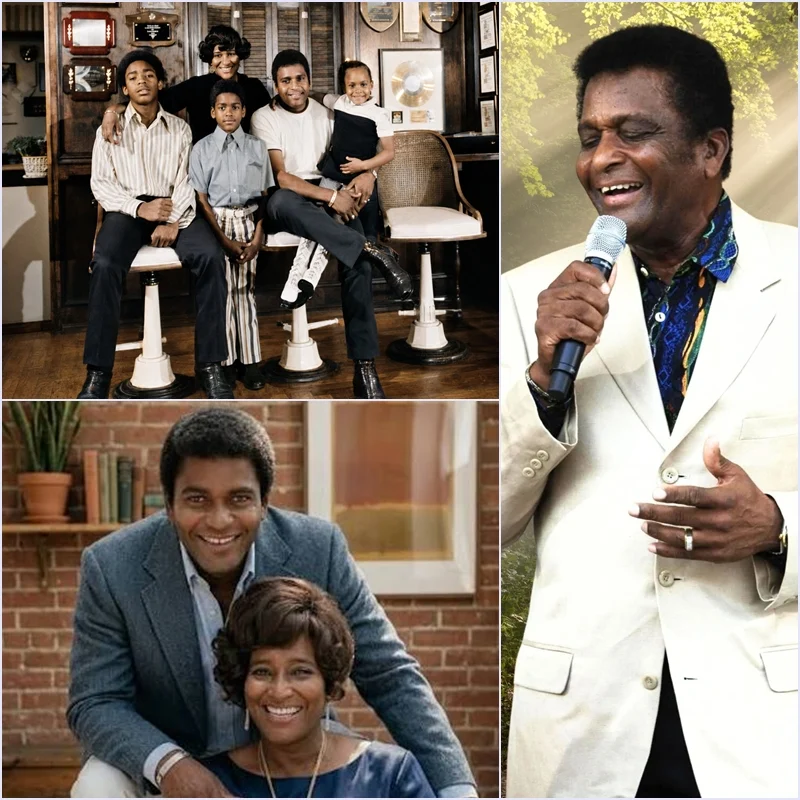
In a small Montana kitchen, Rozene Cohran Pride balanced rent, heating fuel, groceries, and medical bills to the cent while her husband chased two fading dreams.
Charley Pride spent the late 1950s moving between baseball fields and the Asarco lead smelting plant in Helena, Montana, working grueling shifts by day, playing semipro baseball on weekends, and singing in local honky-tonks late into the night.
His pitching arm had already begun to fail him after time in the Negro American League, and the family faced cold winters, tight budgets, and uncertain prospects.
With Charley constantly on the road or away at work, Rozene managed their household through severe financial hardship.
She worked from home as an independent cosmetologist, styling hair for local clients to bring in essential income while giving birth to and raising their three young children, Kraig, Dion, and Angela.
Without family nearby or outside childcare, she kept meticulous handwritten ledgers in their small kitchen and set aside portions of her earnings so their children never lacked warm clothes or school supplies.
Between cooking simple meals and caring for toddlers, Rozene preserved strict family discipline and protected her children’s daily routines.
She made sure the young children understood their father’s long absences as hard work for their future, keeping his presence alive at the dinner table even when his chair was empty.
“The true foundation of that historic journey was built inside a modest Montana kitchen.”
When sore pitching arms forced Charley to leave sports behind in the early 1960s, he considered leaving music too.
Rozene backed his risky decision to move full-time into country music and travel toward Nashville, managing the household alone while he made solitary scouting trips.
Her steady resilience at home provided the crucial stability Charley needed to walk into Music City audition rooms.
Legendary producer Chet Atkins recognized his rare talent and signed him to RCA Victor in 1965, opening the door to one of the most remarkable careers in entertainment history.
In an era marked by deep racial division, Charley faced immense public scrutiny as the first Black superstar in modern country music.
While he navigated radio resistance and touring demands, Rozene’s calm discipline kept their personal life anchored and made their home a peaceful refuge far away from the pressures of the road.
Charley went on to achieve twenty-nine number-one singles, earn three Grammy Awards, and sell tens of millions of records worldwide.
When he was inducted into the Country Music Hall of Fame in 2000, he stood under the spotlight as a pioneer yet consistently pointed back to the woman who organized their lives when they owned little more than a dream.
The couple shared sixty-four years of marriage until Charley’s passing in December 2020 at age eighty-six, leaving behind a legacy that altered the trajectory of American culture.
The world will always remember Charley Pride through rich melodies and broken barriers that opened doors for generations of musicians.
Yet the unseen center of their journey remained in the household accounts Rozene kept in Montana and the private sacrifices that carried the family into his breakthrough decade.