
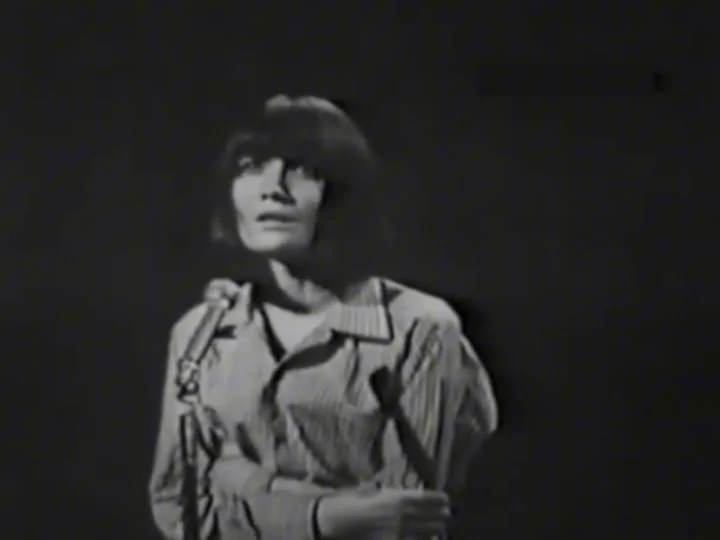
The mournful cry of a trumpet, sharp and clear as a winter morning, cuts through the mix before a young voice hesitates. That single brass note, a wail of memory and regret, is the signature of a pop masterpiece born in a London rehearsal studio in late 1964. Sandie Shaw, a seventeen year old from Dagenham with porcelain features and a habit of performing barefoot, stood at a crossroads. Her manager, Eve Taylor, had crossed the Atlantic to find her next shot: a song by Burt Bacharach and Hal David that had already been a minor R&B hit for Lou Johnson.
The result was “(There’s) Always Something There To Remind Me”, rush released on Pye Records in September 1964. It shot to number one in the UK, not just a hit but a cultural coronation. Arranged by Les Williams and produced by Tony Hatch, this track became the defining sound of a particular strain of the Swinging Sixties. It lacked the gritty blues of her peers and instead captured the aching drama of high stakes pop music.
Tony Hatch knew how to fuse raw British energy with polished American songwriting. Bacharach and David’s compositions were architecturally difficult with unusual chord changes and shifting time signatures. Hatch and Williams respected that complexity, giving the song a bossa nova lilt that adds nervous energy to the rhythmic foundation. The drums remain restrained, a gentle syncopated pulse, while the bass line moves with liquid grace beneath the frantic melody. A mournful trumpet figure provides a perfect counterpoint to Shaw’s vocal delivery. The rhythm guitar locks in with light percussion, constantly accelerating even when the lyric hints at paralysis. The dense sound mirrors internal turmoil. For an engineer today, mixing this much mid range instrumental detail while keeping the vocal clear would require excellent studio headphones. This production is a masterclass in controlled chaos.
Shaw’s performance sets her version apart from smoother soul inflected takes. She sings the opening line I pass her house every single day with a fragility that sounds hesitant and reluctant. It is the voice of a character trying to suppress a painful memory. By the chorus, her voice gains incredible strength and sudden catharsis. The way she holds the word me at the end of Always something there to remind me is a perfect example of controlled pop melodrama. The vibrato is a tight almost panicked flutter that communicates anxiety. She sounds like a teenager experiencing heartbreak for the first time yet supported by a Hollywood film score arrangement.
The greatest pop songs don’t just tell a story. They turn familiar streets into sets for internal melodramas.
The success of this single was pivotal for Shaw. It established her as an icon leading to further hits and her monumental Eurovision victory in 1967 with Puppet on a String. Her debut album Sandie released in 1965 remains one of the era’s most intriguing documents showcasing her stylistic range from baroque pop to upbeat soul. Watching her perform the song decades later on a late night show revealed that the emotional integrity remained intact. That bright melancholic trumpet line still feels raw and personal six decades later.
For listeners who want to explore similar orchestrated heartbreak and pop drama, consider Cilla Black’s Anyone Who Had a Heart also from 1964 with its dramatic arrangement. Dusty Springfield’s You Don’t Have to Say You Love Me applies soulful emotion to a grand ballad. The Walker Brothers offered a pop symphony with The Sun Ain’t Gonna Shine Anymore. Shirley Bassey’s Goldfinger shares the same high drama brass heavy cinematic style. The Shangri Las brought teenage melodrama to Leader of the Pack. And Petula Clark’s Downtown produced by Tony Hatch shares that propulsive rhythmic energy.
The official audio of Sandie Shaw’s recording allows close listening to the subtleties. Every instrument fights for space, reflecting the internal turmoil that makes this song an indispensable pillar of British pop history. Six decades later, the way minor chords resolve to major, the slight lift in the final refrain feels like a desperate plea or a small stubborn hope.