
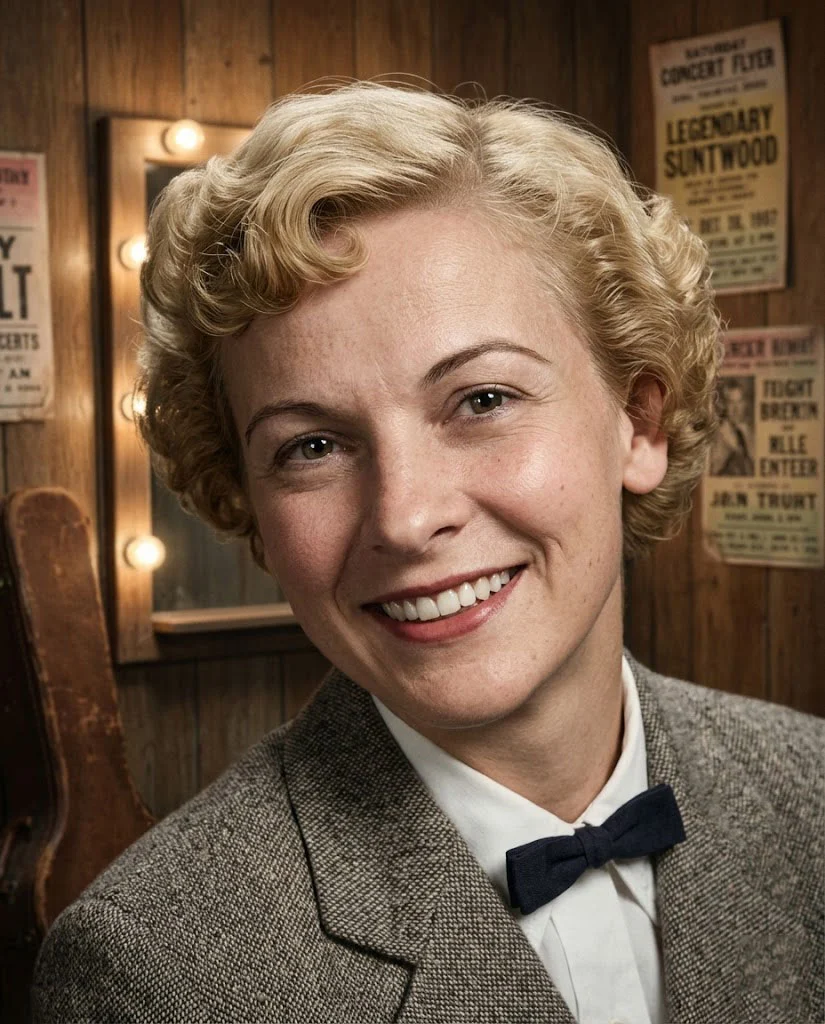
When Jean Shepard stepped back to the microphone after months of silence, the room felt different. Every person in Nashville knew what she had lost. But no one knew how the music would sound now. She opened her mouth and let the first note rise. It was not a clean victory. It was the sound of a woman who had looked at the empty chair and decided the story was not over.
That moment did not come easily. In March 1963, a small plane crashed near Camden Tennessee taking the lives of Patsy Cline, Cowboy Copas, pilot Randy Hughes, and Jean Shepard’s husband Hawkshaw Hawkins. Country music lost some of its brightest stars that day. Jean lost the man she had built her future around.
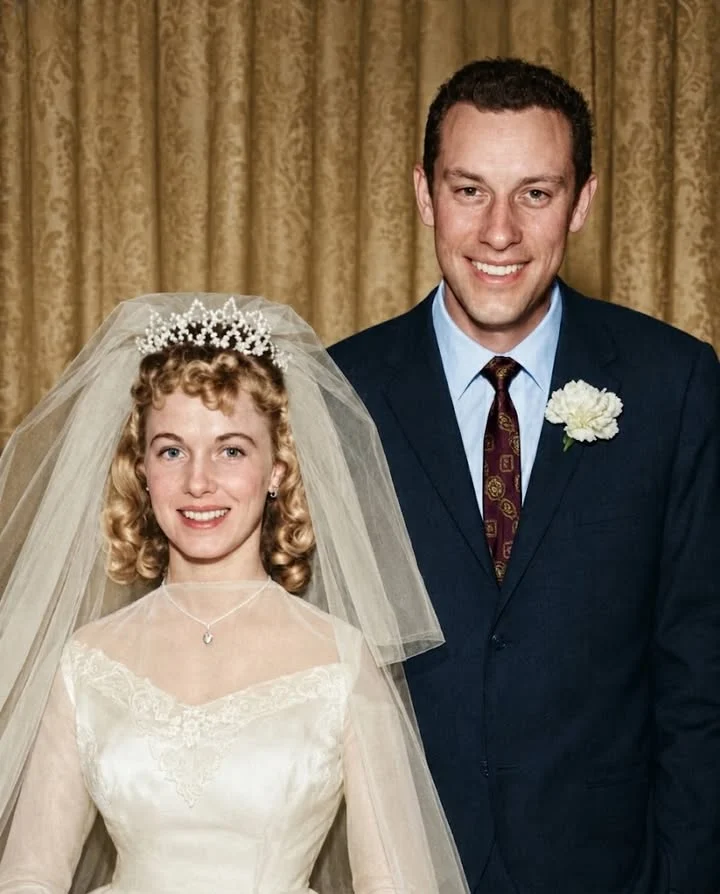
Only a few years earlier, the story had seemed like a country music fairytale. In November 1960, in Wichita Kansas, Jean Shepard and Hawkshaw Hawkins were married onstage. It was a moment of love under the lights, two voices tied together in front of people who believed in songs about forever.
Jean was already a force by then. She had helped carve out room for women in honky-tonk music by sounding honest enough to be remembered. Her voice carried fire and clarity. She was not decoration. She was a pioneer.
Hawkshaw had his own place in country music. Together they seemed to carry a promise that the stage and the home could belong to the same dream. Then the sky took him.
After the crash, Jean went quiet. The woman who had sung pain for others was suddenly living inside a sorrow no lyric could fully hold. For months the music faded behind grief. People could understand if she never came back.
But Jean did not answer with a speech. She answered by returning. Slowly she found her way back to the studio, back to the microphone, back to the work that had shaped her before tragedy tried to claim the rest of her life.
Grief does not step aside because a woman is strong. It walks with her.
When Jean sang again, something had changed. Her voice still carried that honky-tonk steel, but now there was another weight beneath it. Not weakness. Not surrender. Survival. Every note seemed to come from a woman who had looked at the empty chair, taken one breath, and decided the story was not over.
That is why her legacy reaches beyond records and firsts. Jean Shepard helped open doors for women in country music, but she also showed what it means to keep living when the door behind you has closed forever. Some voices do not escape sorrow. They learn to sing while carrying it, one unfinished note at a time.