
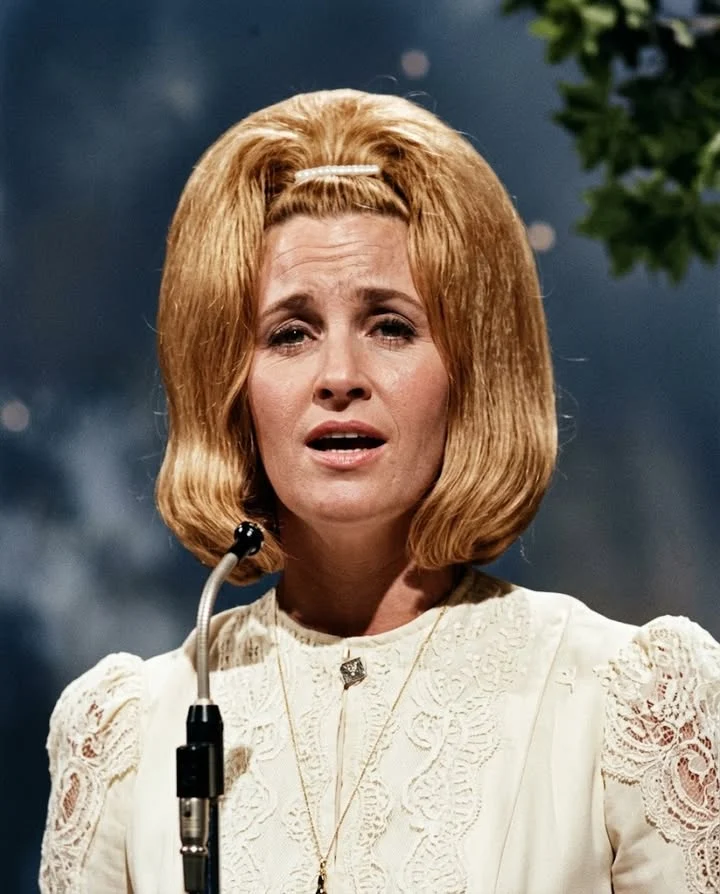
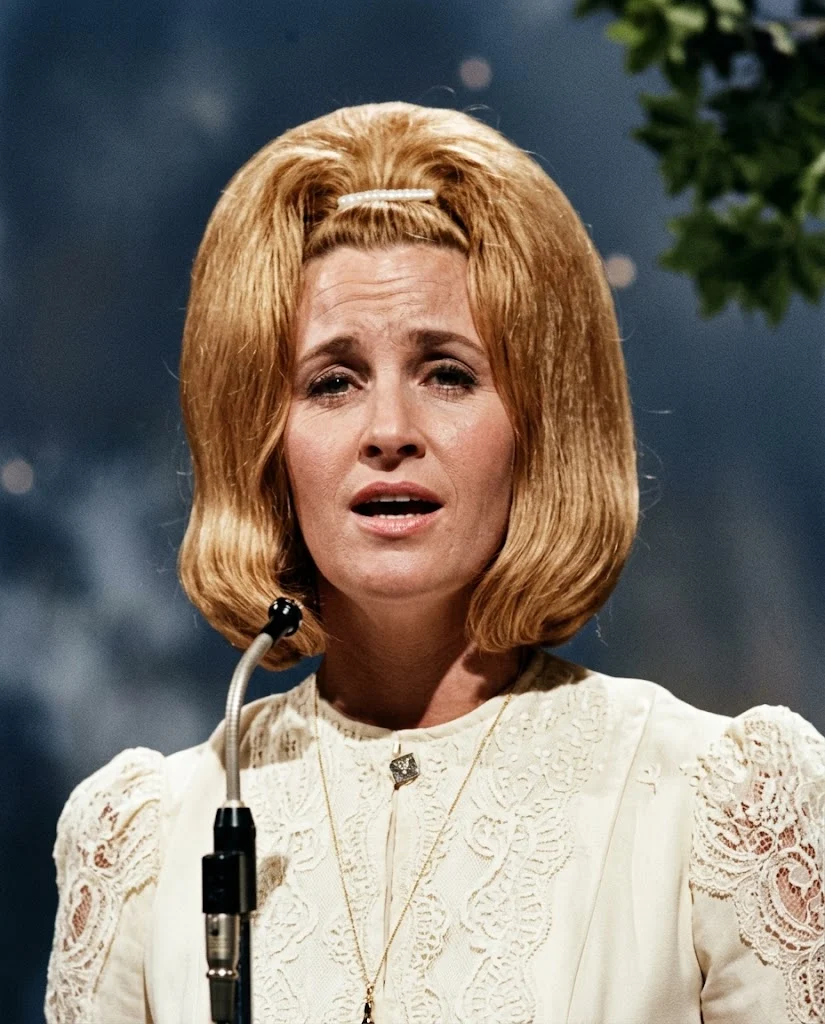
In 1964, Skeeter Davis walked away from Ralph Emery while the country music world still saw them as Nashville’s golden couple. Behind the polished magazine photos, the singer had learned that her husband had become involved with another woman and that the other woman was pregnant. She was comforting millions with a voice built on empathy, yet the man beside her had shown little respect for their vows.
Between 1960 and 1964, Davis was moving toward the peak of her crossover success. Emery was a major broadcaster connected to WSM radio, and their pairing looked like a union of voice and airwaves. Fans and industry readers believed they had found the perfect country music power couple.
Inside the home, the picture was far darker. Davis was navigating a severely controlling environment. Emery’s demands weighed on the marriage, and hidden infidelities kept adding pain to the daily routine. The final break came when Davis realized the betrayal had crossed a line she could not forgive.
She chose the inevitable gossip over remaining in a toxic household.
That choice carried enormous risk. Country music media in the 1960s judged broken marriages harshly, and Emery held influence over radio exposure. A public split could have threatened the career Davis had fought so hard to build. Still, she filed for divorce at the height of her commercial success.
The aftermath did not silence her. She brought the hurt into RCA Studio B and worked with producer Chet Atkins during highly charged sessions in 1964. The recording booth became a place where she could shape private bitterness into public art.
She began cutting resilient and independent songs such as “Gonna Get Along Without You Now.” The polished arrangements of the Nashville Sound carried a sharper emotional core. Listeners heard controlled and upbeat vocals, yet the performances carried the weight of a woman singing through heartbreak.
Emery continued to introduce records on the radio, but Davis was taking control of her own story on the vinyl. The divorce did not derail her. She kept headlining major tours, remained respected at the Grand Ole Opry, and proved that a powerful broadcaster was not required to validate her place in the industry.
Her enduring victory was not simply surviving a publicized heartbreak. It was the courage to leave a controlling man, rebuild her dignity, and step back to the microphone on her own terms.
https://www.youtube.com/watch?v=DsY_kocbWaM