
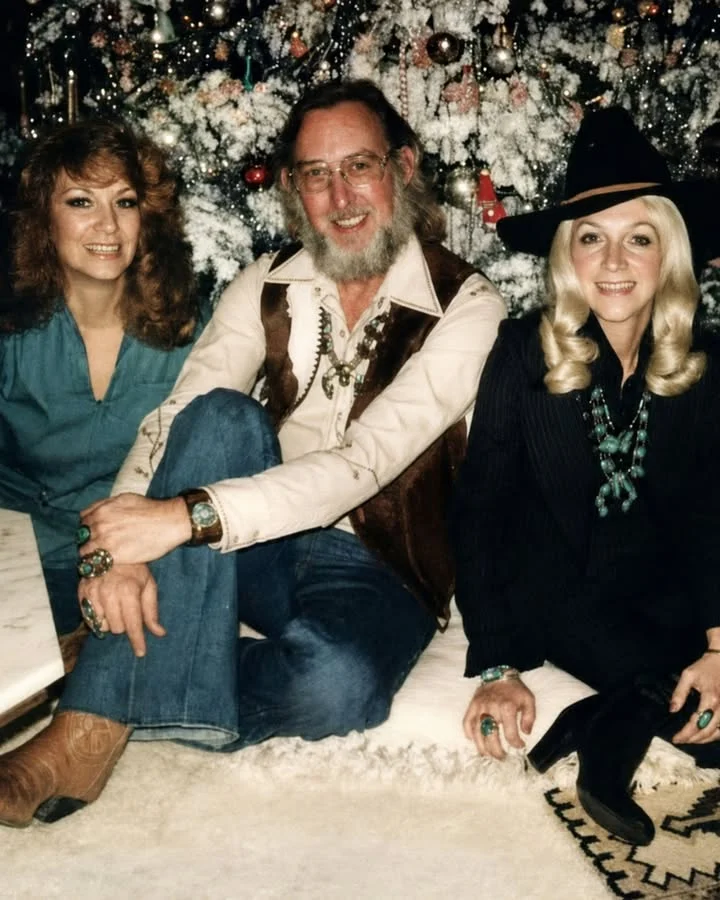
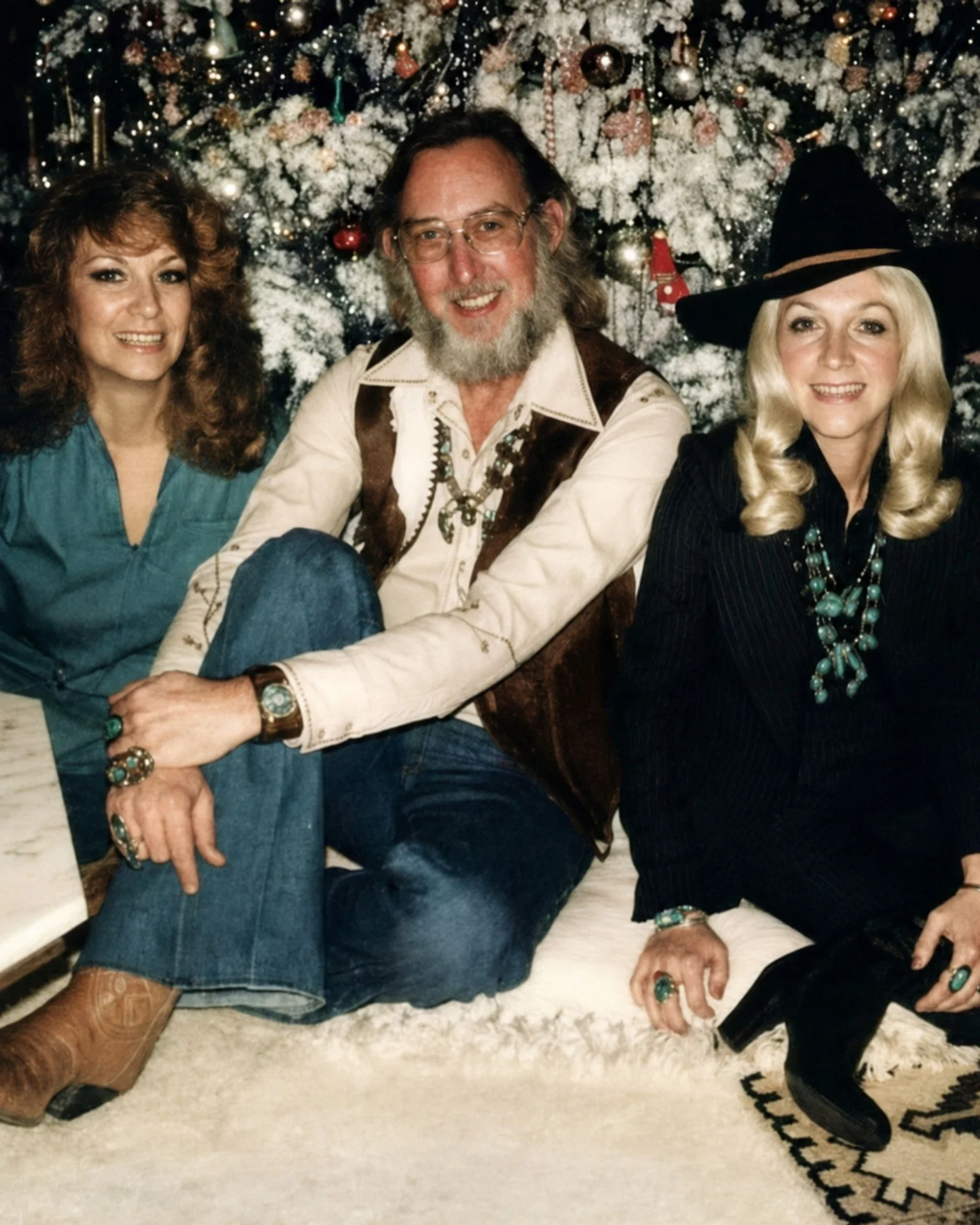
The road that gave them everything nearly took everything in return. On a September night in 1991, Dottie West was driving toward the Grand Ole Opry when a crash ended her life. Fourteen years earlier, another crash had nearly ended the career of her closest friend Jeannie Seely. The symmetry is cruel — but the friendship that existed between them before the tragedy is what truly endures.
Jeannie Seely had already earned her place in country music by 1977. Her breakthrough came with Don’t Touch Me, a Grammy-winning hit. She had become an Opry member, toured extensively with Jack Greene, and built a reputation as both a singer and a songwriter. Then everything stopped.
A near-fatal automobile accident left Seely with serious multiple injuries. Her own biography later described it as a crash that could have ended her career. Recovery was slow, and for a performer whose life depended on travel and stage work, the uncertainty was immediate. Could her body hold up? Could she trust the road again? Could the career continue from where it had been broken?
Dottie West was there when it mattered most. Their friendship ran deep. West had encouraged Seely to move to Nashville in the first place, and now she helped her through the aftermath of the wreck — not in a public way, but in the practical, emotional way friends show up when the applause is gone. Seely later reflected:
A close call like that changes what you take for granted. When the road nearly ends everything, even ordinary days start looking different.
Seely recovered. She returned to performing, continued appearing at the Opry, and in the early 1980s opened shows for Willie Nelson across the country. She also appeared in Nelson’s Honeysuckle Rose and sang on its platinum soundtrack. The crash had changed her, but it had not silenced her.
Then came 1991. Dottie West was on her way to the Grand Ole Opry when she was badly injured in an automobile accident. She later died from those injuries. The woman who had helped Jeannie Seely recover from one terrible crash was gone because of another. For Seely, Dottie was not just a name from country history. She was one of the people who had been there at crucial moments — first encouraging her toward Nashville, then helping her recover when the road nearly destroyed what she had built.
Seely never treated Dottie as just another acquaintance. In 1995, she served as a consultant on the CBS television movie Big Dreams and Broken Hearts: The Dottie West Story, helping preserve the memory of the friend who had stood by her when her own career was hanging in the balance. Country music remembers through songs, but it also remembers through the people willing to keep telling the story after the person is gone.
The deepest part of this story is not only the tragic connection between two car crashes. It is the friendship that existed before the symmetry made it haunting. Dottie West encouraging Jeannie Seely to come to Nashville. Seely finding her place with Don’t Touch Me, the Grammy, the Opry, and years of road work. Then a 1977 crash, serious injuries, a slow recovery, and Dottie helping her back toward life. Fourteen years later, Dottie was on her way to the Opry when another crash took her away. The road had been part of both women’s careers. It carried them to stages, songs, friendships, and success. It also brought them close to loss in ways neither could control. But what lasted was not only the tragedy. It was the bond between two country women who knew that sometimes the most important part of a career is not the hit, the award, or the show. Sometimes it is the person who stays close when the music stops and helps you believe there will be another song.