
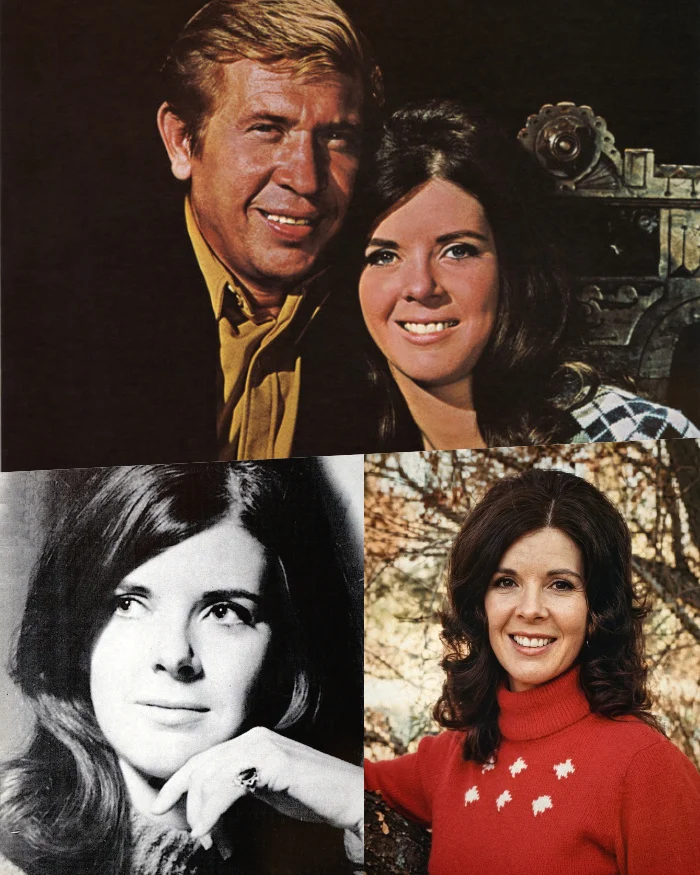
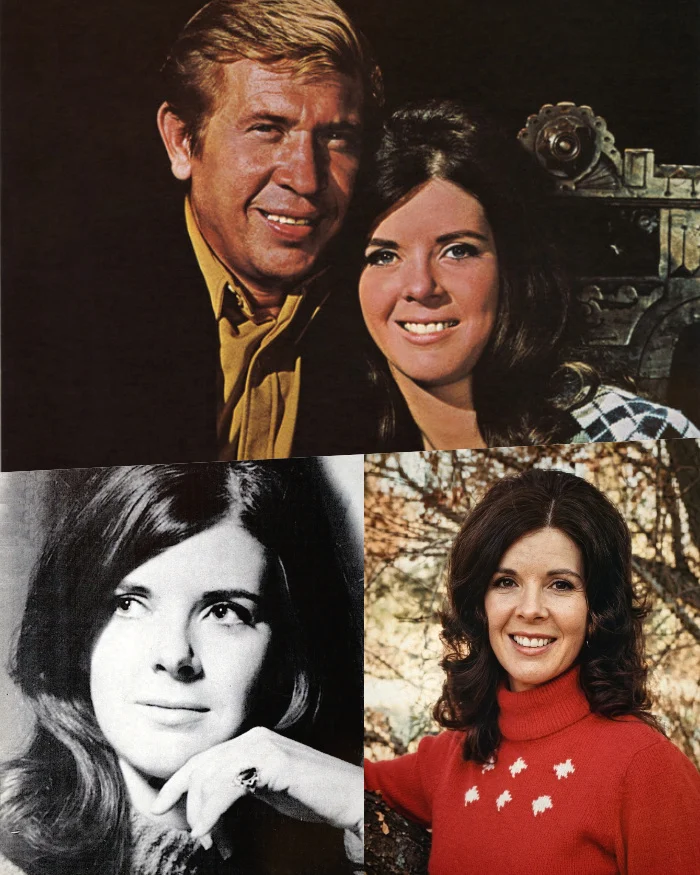
At the height of country music glare, Susan Raye stepped away from the roaring crowd and chose a quieter home instead. That decision revealed a rare kind of courage, because she had already earned a place among the brightest voices of classic country music.
She was born on October 8, 1944, in Eugene, Oregon. Her crystal clear delivery helped shape the upbeat electric edge of the Bakersfield Sound, a California style built around sharp rhythms and honest feeling.
In 1968, a Portland recording audition changed her path. She was a young vocalist working on a local radio station, and she did not expect to alter West Coast country music. Buck Owens heard an immediate clarity in her voice. He was the standard bearer of the electric rhythm heavy Bakersfield Sound, and he did not try to bend her tone toward the lush Nashville style then dominating national charts. Instead, he brought her into his organization.
Within months, Raye signed with Capitol Records and joined The Buckaroos on the road. Her bright female presence gave a new sparkle to a style driven by biting Fender Telecaster guitars and pounding drumbeats.
The partnership soon reached television. Starting in 1969, Owens brought Raye onto the syndicated variety program Hee Haw. She appeared in comedy sketches and solo musical spots, and her earnest charm became a weekly visit to tens of millions of American homes. The partnership gave the Oregon native a national platform while preserving her distinct crystal clear delivery.
In Bakersfield studios, their duet recordings became a steady stream of country radio favorites. Between 1970 and 1975, they released a run of collaborative albums and sent five consecutive duets into the Billboard country Top 10. Songs such as The Great White Horse and Togetherness used tight harmonies and upbeat tempos, offering a polished optimistic alternative to darker honky tonk narratives.
Raye also built a strong solo catalog. She earned seven Top 10 hits and nineteen Top 40 country singles. Her signature moment arrived in 1971 when songwriter Leanne Scott brought her L.A. International Airport. The song had a brisk tempo, a soaring chorus, and a cross format energy that carried it to the country Top 10 and into the Billboard Hot 100. It also became a gold record overseas and an enduring theme for the airport itself.
Amid television tapings and national tours, she found personal stability inside the band circle. In 1972, she married Jerry Wiggins, the steady drummer for The Buckaroos. The marriage gave her a private rhythm beyond the stage and helped shield her from the usual pressures of touring celebrity.
As the early 1980s gave way to the mid 1980s, commercial country music moved toward glossy urban pop production, and Owens himself was stepping back from extensive touring. Raye took stock of her priorities. After fulfilling major recording commitments, she made a deliberate quiet choice. Without regret or fanfare, she left touring buses, recording contracts, and spotlights behind, and she retired from secular entertainment to give her full attention to her home and growing family.
The move from packed auditoriums to private life was seamless and permanent. Raye and Wiggins focused on raising their children. She did not chase retrospective television interviews, lucrative reunion circuits, or publicity campaigns. She poured her discipline into community and faith, singing in local church choir programs and eventually earning a bachelor’s degree in psychology from California State University, Bakersfield.
For Susan Raye, the applause was a chapter, not the whole story.
Her departure stood apart from the usual fate of stars who struggle to leave the stage. For Raye, the seven Top 10 hits, the gold records, and the decade alongside Buck Owens did not become a lifelong identity. They were an accomplished chapter in a fuller life.
When fans remember the Bakersfield era, they still picture her smiling beside Owens on television. Yet her quietest legacy is the choice she made after the cameras stopped rolling. She stepped off the tour bus for good, left the applause behind, never looked back, and proved that the most meaningful song of her life was the home she chose to build.