
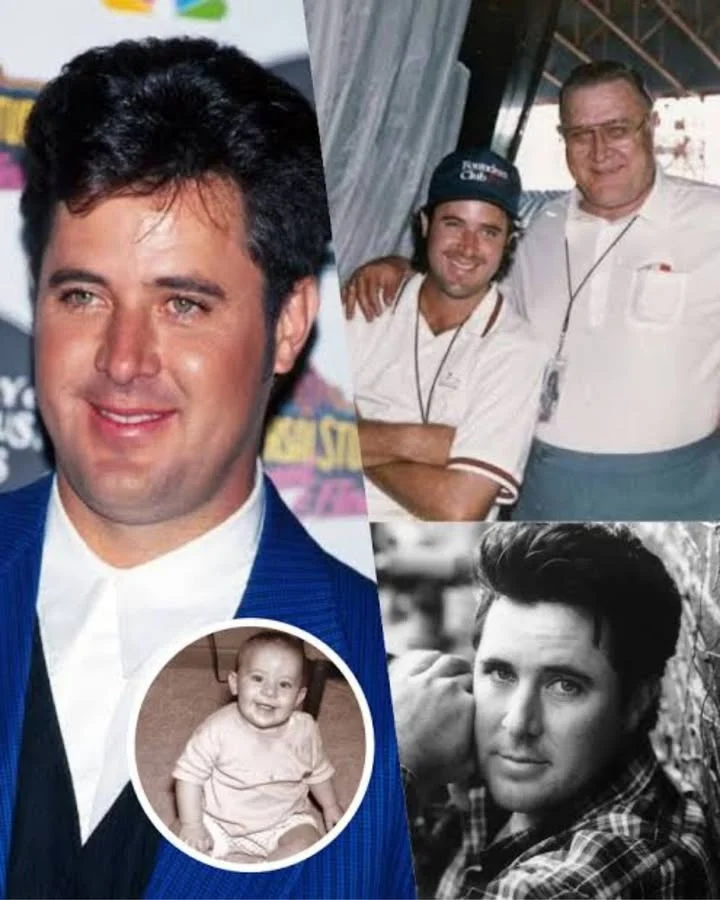
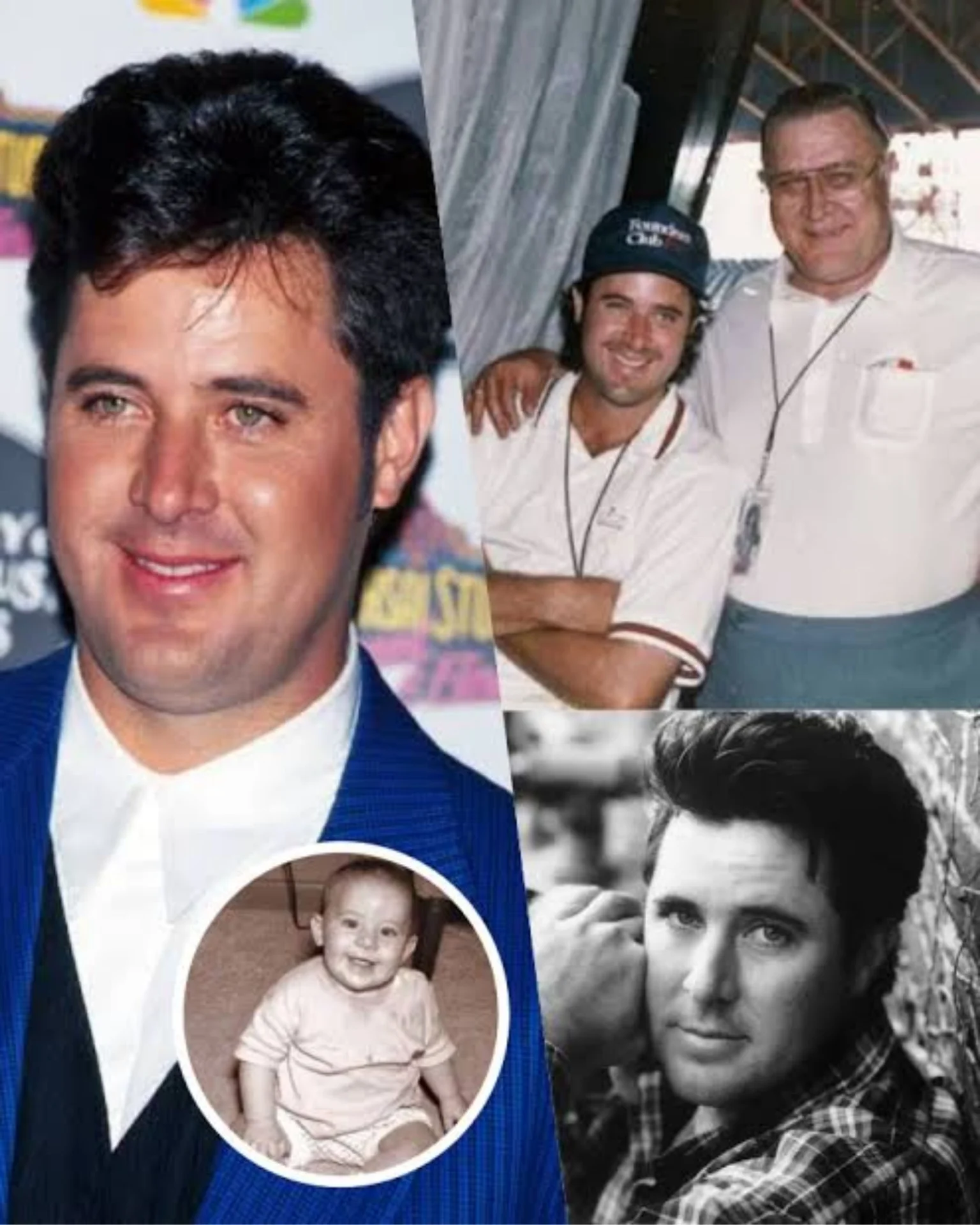
By then Vince Gill could play almost anything with strings, yet what he preserved on the record was not the finest banjo performance he knew how to give. It was the limited and familiar rhythm of a judge who played after work and once made a few ordinary chords sound enormous to his son.
What mattered was whether his son remained the same person after everybody knew his name.
When Vince Gill recorded a song for his father in 1998, he did not reach for one of the electric guitars that had made him Nashville’s most admired instrumentalist. He played Stan Gill’s old banjo.
Stan had been a federal appellate judge in Oklahoma, a large and stern man whom Vince later compared to a mixture of General Patton, John Wayne and Clint Eastwood. Away from the courtroom, however, he played guitar and banjo in local country groups.
A Few Chords That Sounded Like Mastery To A Child
He knew only a modest collection of banjo chords, but when Vince was a child those chords sounded like mastery. Music in the Gill home was not treated as a route toward fame.
Stan and his friends gathered because they liked sitting together and playing. He taught his son “Wildwood Flower,” showed him how the instruments worked and made room for the boy to listen.
Vince carried those lessons far beyond Norman, Oklahoma. He played bluegrass, joined Pure Prairie League and eventually became one of the defining country artists of the 1990s.
He won consecutive CMA Entertainer of the Year awards in 1993 and 1994, collected Grammys and became known as a guitarist other famous musicians wanted standing beside them.
Unimpressed By Celebrity, Focused On Character
Stan remained largely unimpressed by the machinery of celebrity. To him the distance between a beer joint and the Grand Ole Opry was mostly the size of the paycheck.
Stan died in 1997. While making The Key the following year, Vince wrote “The Key to Life” around the small body of music his father had given him.
He brought Stan’s banjo into the session and tried to reproduce the old man’s imperfect rhythmic touch, the sound Vince had first heard before technique, awards or Nashville entered the room. The song became the final track and supplied the album’s title, turning a father’s few ordinary chords into the emotional center of a superstar’s most personal record.