
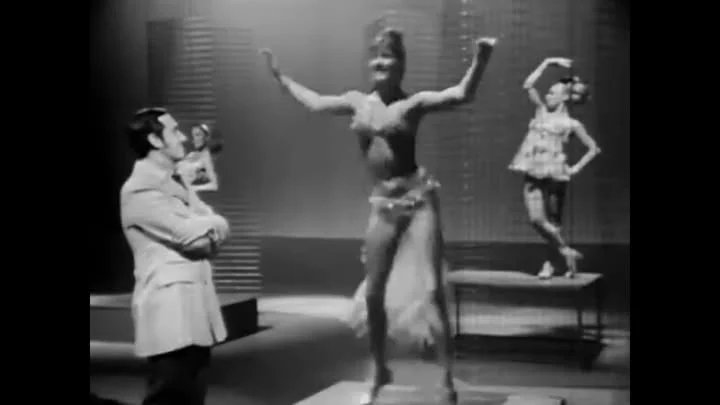
There is a moment in every living room when the needle drops onto vinyl and a sound emerges that defies its age. That is the magic of “Calendar Girl.” At two minutes and thirty two seconds, it captures an era when pop music was engineered for pure, unapologetic joy. The song does not whisper from the past. It announces itself as if it were brand new, a shimmering piece of optimism that feels as immediate as a summer afternoon.
You have to hear it on a decent system to believe the layers of sound hiding inside that tiny groove.
The man behind the melody, Neil Sedaka, was no ordinary pop star. A Juilliard trained pianist from Brooklyn, he understood the architecture of a song the way a master builder understands a structure. Along with his lyricist Howard Greenfield, Sedaka crafted “Calendar Girl” in the legendary Brill Building, that Manhattan hive where songwriters churned out hits like assembly line miracles. The track was released in late 1960 on RCA Victor and became Sedaka’s first top five hit in the United States, peaking at number four on the Billboard Hot 100. It also topped charts in Canada and Japan, proving its universal appeal.
The production team of Al Nevins and Don Kirshner, the architects behind Aldon Music, gave the recording a crisp, bright sound that cut through the static of AM radio. The rhythm section was anchored by drummer Gary Chester, whose controlled exuberance drove the track with a shuffle beat inspired by Lloyd Price’s “Personality.” The result was a drum track that demanded movement but never sacrificed precision.
Listen closely to the backing instrumentation. The guitar parts, likely played by session giants Al Caiola or Buck Pizzarelli, provide nimble, percussive chord changes that complement the piano rather than overpower it. The vocal arrangement features Sedaka’s clear tenor supported by a precise choral echo, turning a personal love letter into a collective celebration.
Howard Greenfield took the abstract concept of a pin-up calendar and grounded it in a month by month narrative of first love.
The lyrics work because they marry the glamorous with the everyday. January brings a new year. February is for Valentine’s Day. September famously involves lighting candles at her “sweet sixteen” a line Greenfield reused in another Sedaka hit, “Happy Birthday Sweet Sixteen.” It is a masterclass in pop structure: a verse chorus cycle designed to lodge permanently in the listener’s memory. Teenagers rushed to buy the sheet music, hoping to replicate those sophisticated chord changes on the family upright piano.
More than six decades later, the sheer pleasure of this recording remains undiminished. It is a song for road trips with windows down, for dancing in the kitchen, for remembering a time when post war optimism met the genius of young composers and flawless session players. Before the Beatles rewrote the rules, Sedaka and his Brill Building peers were crafting perfect commercial symphonies accessible yet complex. “Calendar Girl” is a testament to that delicate balance a meticulously arranged pop explosion that feels spontaneous as a school night kiss.
Its legacy is one of eternal freshness, a melody that refuses to age, promising joy in every season of the year.