
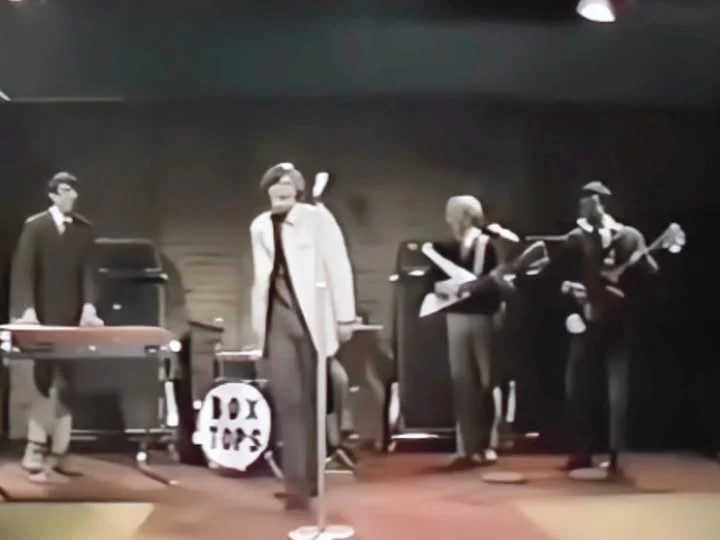
There is a moment in “The Letter” by The Box Tops that stops time. It is the sound of a propeller plane starting its engine, a direct invitation to escape. In just one minute and fifty-eight seconds, a 16-year-old boy from Memphis named Alex Chilton delivered a vocal performance so raw and weary that it sounded like it came from a man who had lived a hundred lives. Released in 1967, this blue-eyed soul masterpiece is not just a song; it is an emotional grenade. It bypasses the ears and goes straight for the chest, reminding us that the greatest stories are often the shortest.
The urgency in Chilton’s voice is not an act. This is the sound of a young artist who has mastered the art of restraint, packing a lifetime of longing into a single, raspy note. “Gimme a ticket for an aeroplane,” he pleads, and we believe him. There is no time for a fast train. Lonely days are gone. It is a perfect, fleeting storm of rhythm, brass, and soul that still shocks the system over half a century later.
“Lonely days are gone, I’m-a goin’ home. Oh, my baby, just-a wrote me a letter.”
The song served as the lead track for the band’s debut album, “The Letter/Neon Rainbow,” a project that captured the restless energy of the Memphis music scene. Produced by the legendary Dan Penn, who co-wrote the song with Spooner Oldham, the album is a fascinating collision of polished pop and gritty Southern soul. It echoes the hallowed halls of Stax Records, yet it was polished enough to storm the radio waves, reaching No. 1 on the Billboard Hot 100 in September of that year. For four weeks, it held the top spot, eventually selling over four million copies. It was a victory for brevity, proving that a song does not need to be long to be monumental.
What makes “The Letter” such a masterclass in musical architecture is the way every element serves the narrative. The opening sound of the airplane is not just a gimmick; it is the setup for a cinematic journey. The gritty electric guitar plays short, percussive chords that feel like a racing heartbeat. The piano weaves through the vocal lines, adding a sense of harmonic lift, while the horn section punctuates the drama with bright, staccato bursts. Beneath it all, the organ adds a gospel-like warmth, grounding the frantic energy in something sacred. Every instrument has a job, and every job is done with precision. It is a tightly crafted gem where nothing is wasted.
The album itself reflects this same precision. While it may not have been a commercial blockbuster outside its hit single, “The Letter/Neon Rainbow” serves as a time capsule of late-1960s pop-soul. Tracks like “Neon Rainbow” showcase the band’s range, floating on shimmering guitar lines and softer vocal deliveries. It is a testament to the production skills of Dan Penn, who knew how to blend the raw energy of young musicians with the sophistication of a professional studio sound.
The legacy of “The Letter” extends far beyond its original release. It has been covered by dozens of artists, most famously by Joe Cocker in 1970. Cocker’s version slowed the tempo down, adding a blues-rock grit that created a whole new identity for the song. This adaptability is what keeps the track alive in the digital age. In the world of music licensing and streaming, hits from the 1960s like “The Letter” have become valuable assets, generating passive income for rights holders while continuing to find new audiences in movies, commercials, and playlists.
But the song’s true staying power lies in its authenticity. In an era of overproduction and digital perfection, “The Letter” feels refreshingly honest. Chilton’s voice, raw and unpolished, carries the weight of a man desperate to reconnect. The arrangement, while tight, never feels sterile. It breathes. It moves. It sweats. This is music made by humans for humans, and that is why it still resonates with listeners from 18 to 65 and beyond. The themes of love, loneliness, and the need to get home are timeless. The sound of that airplane engine? Forever.
For those who have fallen under the spell of “The Letter,” the journey does not have to end here. There are other tracks that share its DNA. The soul-stirring balladry of Percy Sledge’s “When a Man Loves a Woman” offers the same raw emotional intensity. For a more upbeat take on the Memphis sound, Sam & Dave’s “Soul Man” is a perfect pick. The haunting, jazzy grooves of Classics IV’s “Spooky” will appeal to fans of its smooth delivery. And for those who want more of that organ-heavy, psychedelic depth, Procol Harum’s “Whiter Shade of Pale” is a natural companion. Of course, no list is complete without another hit from the same band: “Cry Like a Baby” by The Box Tops, which showcases a more orchestral complexity while keeping Chilton’s powerful vocals at the center.
“The Letter” is more than a nostalgic hit. It is a document of artistic conviction, a testament to the idea that a great song does not need to be complicated to be deep. It needs to be true. And in the trembling, urgent voice of a 16-year-old boy, we found that truth. It is a piece of history that still feels alive, a perfect melody that will likely be treasured for decades to come.