
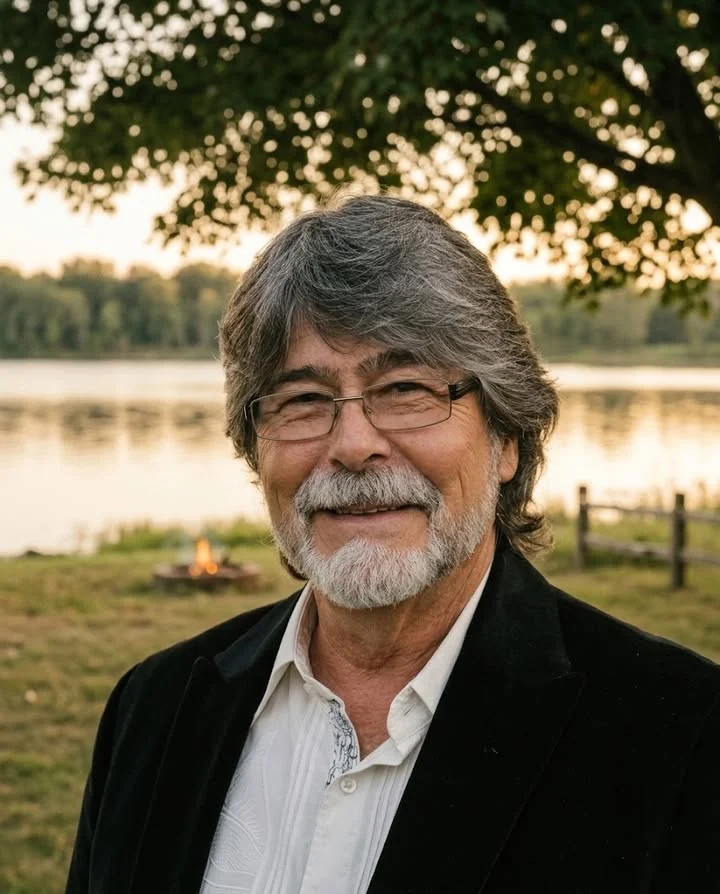
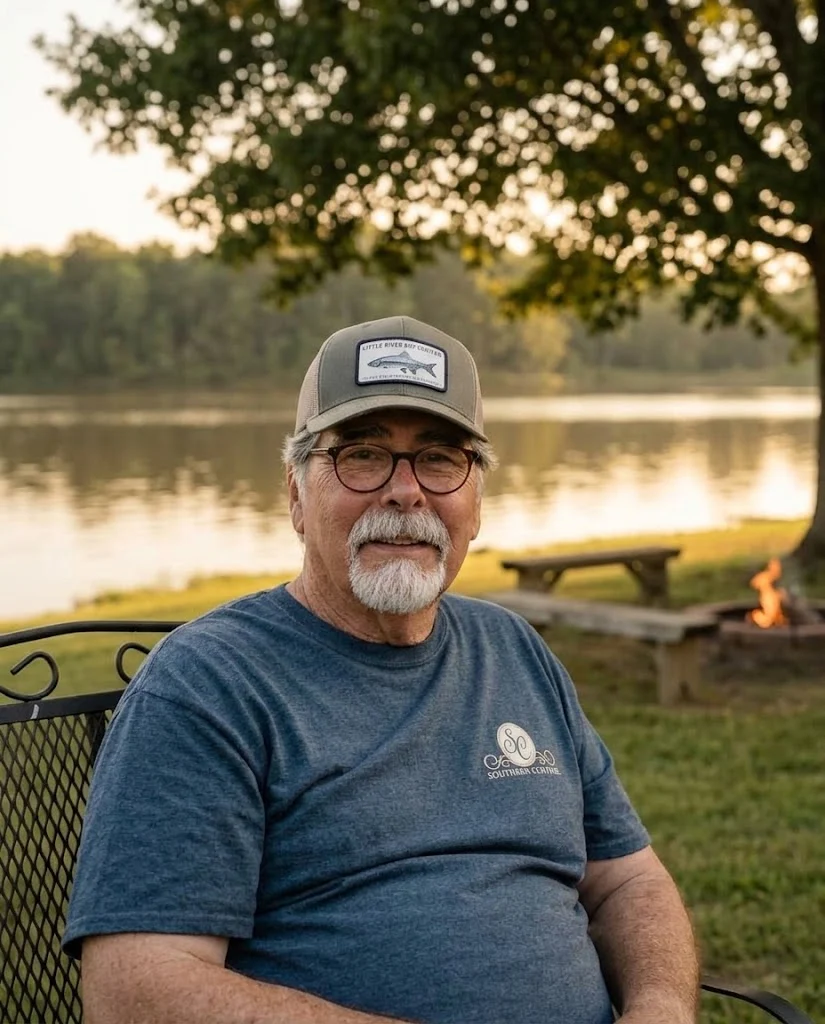
Under the hot Alabama sun, a young man carried drywall and laid stone with hands that would one day hold a microphone in front of roaring stadiums. Randy Yeuell Owen did not arrive at fame through a shortcut. He arrived through sweat, dust, and the quiet discipline of building something solid.
Born in a rustic log cabin near Lookout Mountain in the winter of 1949, Owen grew up in Fort Payne, Alabama, where hard work was not a slogan but a daily routine. He worked as a farmer, a painter, and a bricklayer. His muscles learned the cost of a long day. His patience learned the value of laying one careful piece at a time.
Yet after the tools were put down and the sun slipped away, the real music began. Owen picked up a guitar. He joined his cousins Teddy Gentry and Jeff Cook. They played local bars for tips. The construction site silence gave way to the small glow of a stage, and the sound of working hands became the sound of a future legend.
Their transformation did not come from luck alone. It came from a bold move and relentless nights. The cousins took a huge risk by leaving home for a residency at The Bowery in Myrtle Beach, South Carolina. They performed as Wildcountry and served as the club house band for seven long summers.
Each night demanded everything. They played multiple sets six nights a week for a tip jar and a rowdy beach crowd. Traditional country alone could not hold that room. The band blended Southern rock, pop, gospel, and R and B into a living sound that felt urgent and joyful.
That pressure forged their identity. The exhaustion pushed them closer together. Their tight three part family harmonies became a signature. Their dynamic stage presence grew bold. They learned to read a room, to command attention, and to play through fatigue without losing heart.
By the time they became Alabama and secured a major record deal in 1980, country music had changed. The old model favored solo singers backed by anonymous studio musicians. Alabama showed that a self contained band of relatives could fill arenas and move crowds with the force of a rock act. They also became the first group to win the Country Music Association Entertainer of the Year award.
He was singing directly to the mechanics, the waitresses, the painters, and the farmers because he had once been one of them.
Even after seventy five million records sold and a string of twenty one consecutive number one singles, Owen never lost his Lookout Mountain grounding. When he sang songs such as 40 Hour Week For a Livin’, the words carried lived memory. The audience heard truth because the voice behind the microphone belonged to someone who knew aching backs and tired hands.
The boy from the log cabin helped build the most successful band in country music history. He traded drywall and stone for platinum records and Hall of Fame recognition. His appreciation for the working man remained steady. The hands that once laid bricks in Fort Payne ultimately built a musical home for millions of listeners.