
‘I heard a voice that could not be denied’
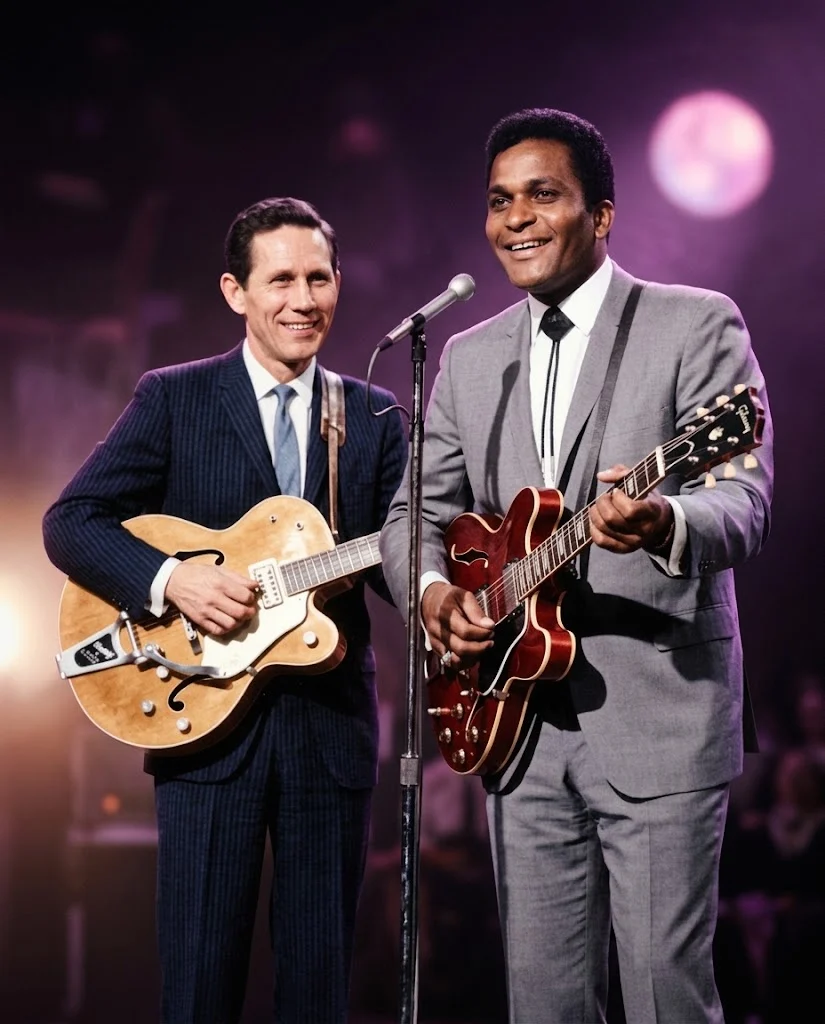
In the summer of 1965, behind the closed doors of RCA Victor’s Nashville studio, a handshake took place that would forever alter the trajectory of country music. Chet Atkins, the legendary guitarist and record executive, knew the unwritten rules of Music Row as well as anyone. Industry brass had long insisted that a Black singer could never sell country records. But when producer Jack Clement slid a demo tape across his desk, Atkins didn’t hear a marketing problem; he heard the pure, authentic soul of the genre.
Atkins made a calculated decision to sign Charley Pride, betting his own immense reputation on a baritone voice he believed could change history. He knew the fierce backlash that would follow, but he was willing to absorb it. ‘I used my position as a shield,’ Atkins later recalled of that fateful choice.
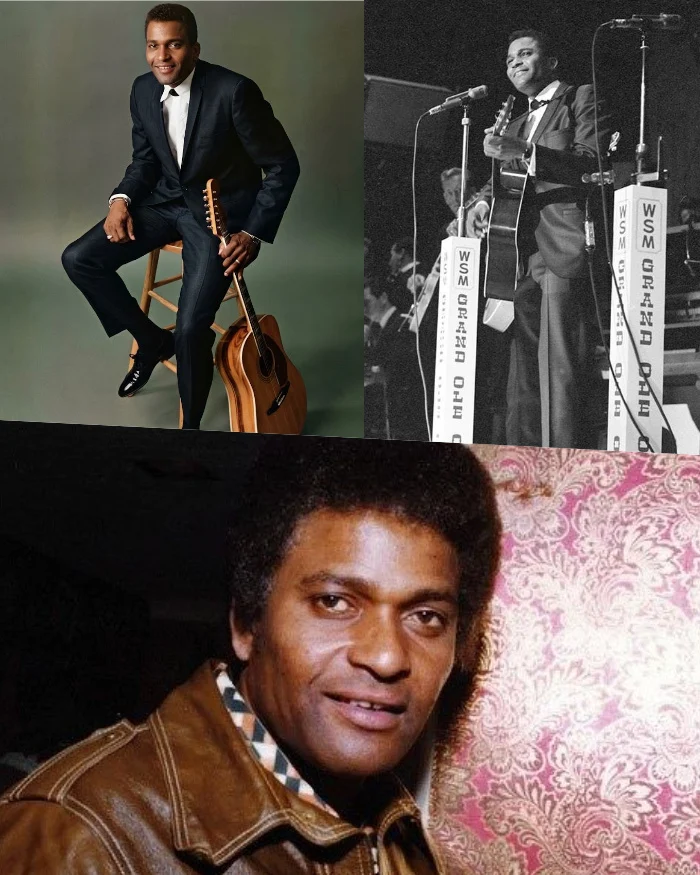
Pride’s journey to that moment had been nothing short of extraordinary. He spent years pitching baseball in the Negro Leagues and working in a Montana smelting plant, where he would sing over the public address system at local ballgames. By the time he arrived in Nashville, he already possessed the quiet grit required for the difficult road ahead.
When RCA released Pride’s early singles, including ‘The Snakes Crawl at Night,’ Atkins and Clement executed a deliberate strategy. They shipped the records to radio stations without any promotional photographs.
‘We wanted the music to speak first’
Atkins said, letting DJs and listeners connect with the rich, traditional sound before they knew anything about the man behind the microphone.
The radio strategy worked flawlessly. But the real test came when the studio sessions ended and the touring began. One of Pride’s first major appearances was at a massive package show in Detroit in 1966. As his name was announced, ten thousand country fans cheered wildly. But when he walked onto the stage, the arena fell into a stunned, heavy silence.
Navigating that tension required incredible grace. Pride didn’t react with anger; instead, he stepped to the microphone, acknowledged the surprise in the room with a gentle joke about his ‘permanent tan,’ and launched into a traditional country ballad. Behind closed doors, icons like Faron Young and Willie Nelson—who famously kissed Pride on stage in Texas to silence a hostile crowd—offered simple advice: ‘Just sing the songs and let the voice do the rest.’
The moment Pride sang his first note, the hesitation dissolved into applause. He went on to record 30 number-one hits, becoming RCA’s best-selling artist behind only Elvis Presley. And that handshake in the studio changed the entire complexion of Nashville.