
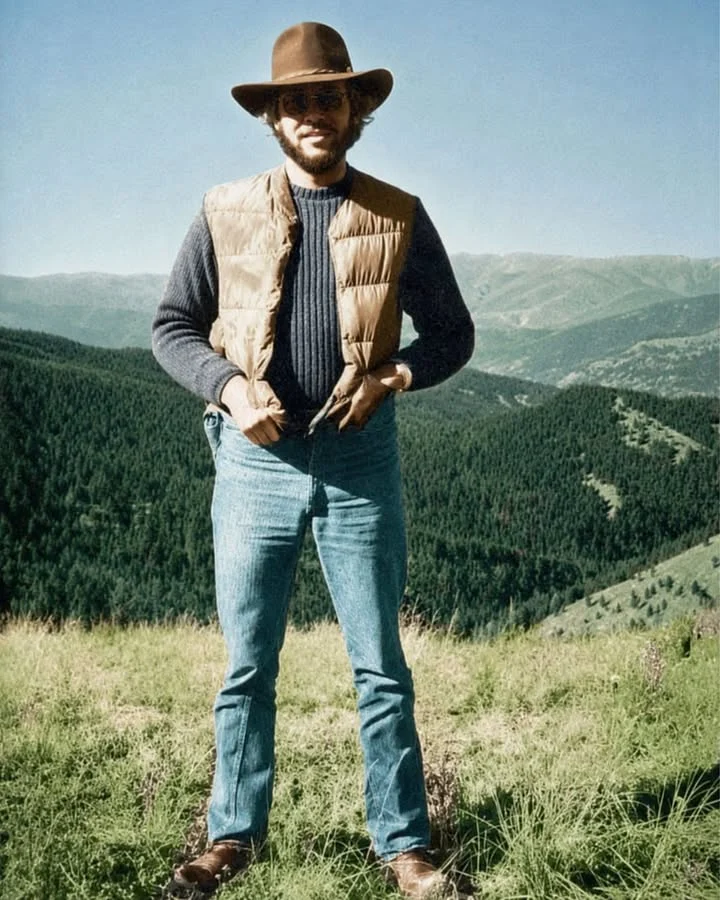
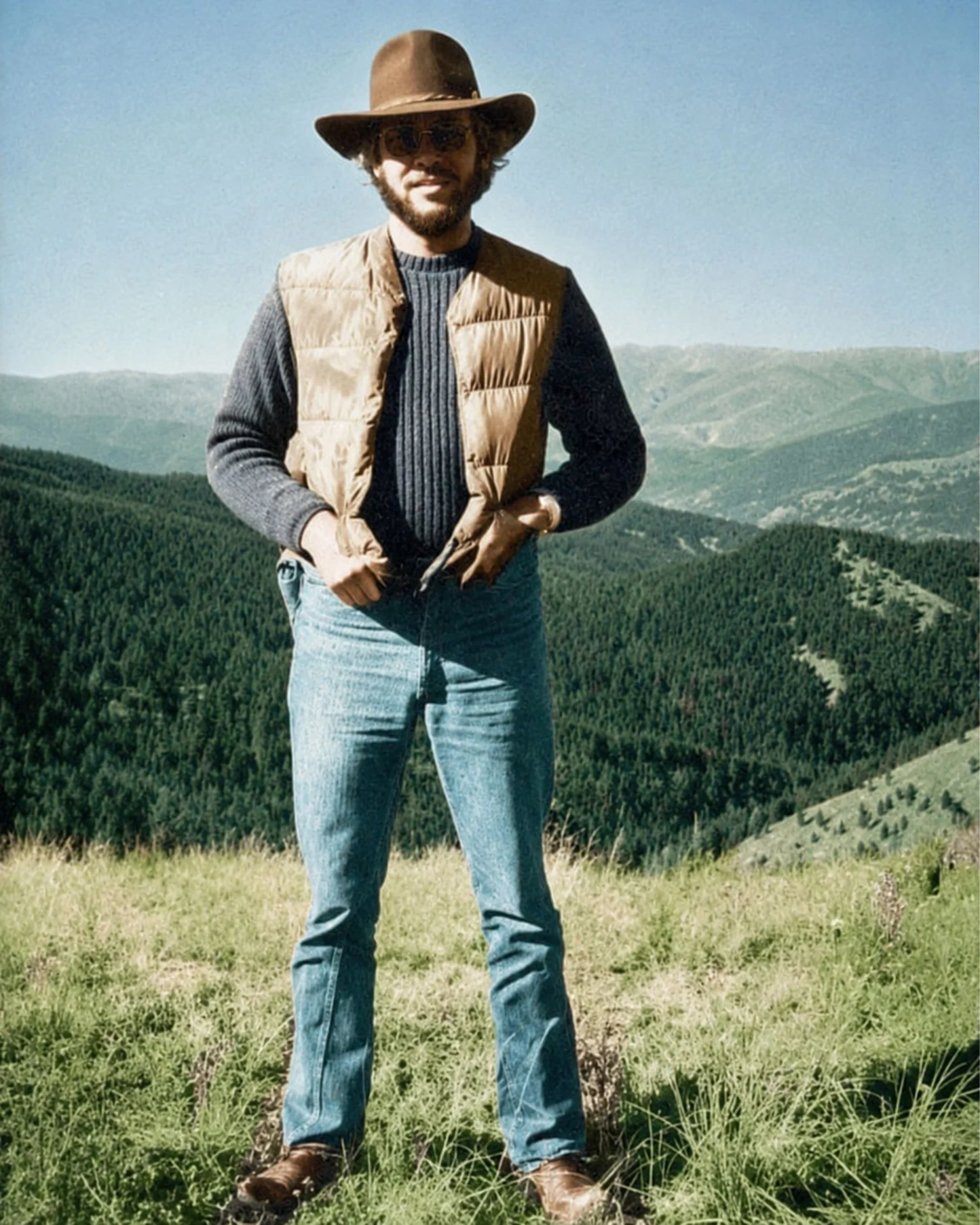
Before Ajax Peak, Hank Williams Jr. was already fighting to escape his father’s shadow. Then the mountain shattered his face and set him free.
By twenty-six, Hank Williams Jr. was exhausted by his own name. He had performed his father’s songs since childhood, debuted on the Grand Ole Opry at eleven, and spent years as the living echo of Hank Williams. But by the early 1970s, he wanted out. He moved away from Nashville in 1974 and recorded Hank Williams Jr. & Friends with Charlie Daniels, Toy Caldwell, and Chuck Leavell—a raw blend of country, blues, and Southern rock that felt like his own.
Then Montana changed everything. On August 8, 1975, while climbing Ajax Peak, he slipped on an icy ledge and fell roughly 500 feet down the jagged mountainside. His head and face took catastrophic damage—massive skull and facial fractures that required repeated operations and months of recovery. The Country Music Hall of Fame says he spent about eight months healing.
The timing was brutal. Just as Hank was finally trying to separate his identity from his father’s, he had to relearn basic things while doctors reconstructed his face. While he recovered, Hank Williams Jr. & Friends was released. It didn’t immediately make him a star, but it marked a new direction—a harder, more defiant sound that Nashville and his older audience resisted at first.
After the fall, audiences saw a different man: longer hair, a beard, cowboy hat, and dark glasses that hid his scars. These weren’t just style choices—they became part of his new identity. A few years later, albums like Family Tradition and Whiskey Bent and Hell Bound finally connected that look with the music he had been fighting to make. Both produced his first Top 5 country singles in six years and launched the commercial run that defined his next phase.
He no longer had to explain that he was not simply trying to be Hank Williams reborn. The man standing onstage made that clear before he ever sang a note.
Before Ajax Peak, Hank Williams Jr. had already been trying to stop living as a continuation of somebody else. Afterward, there was no returning to the boy Nashville first put onstage. The scars, the sound, and the spirit all pointed to one truth: Bocephus was born on that mountain.
The audience embraced a survivor who had fallen off a mountain and come back sounding like himself.