
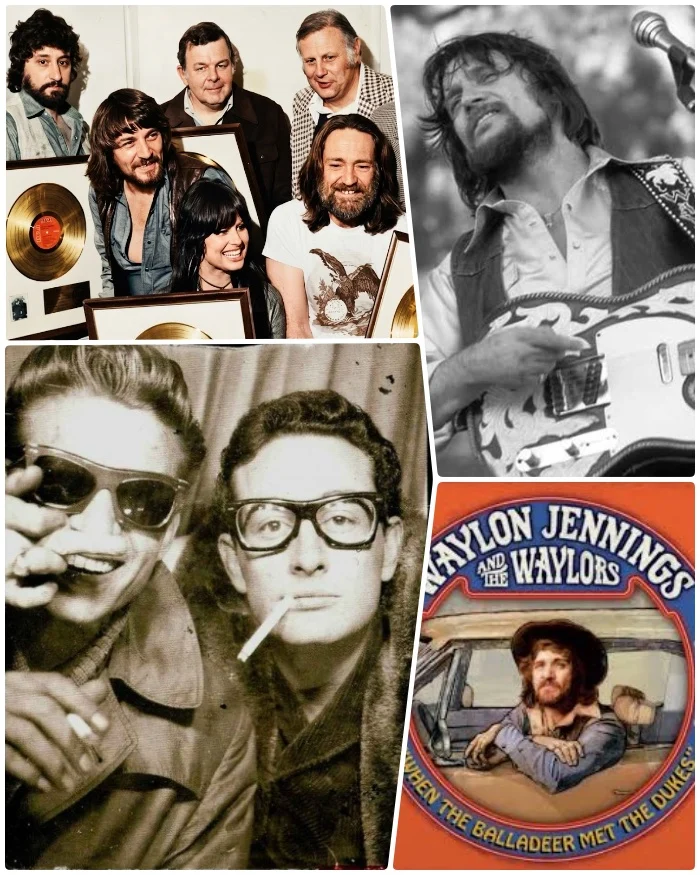
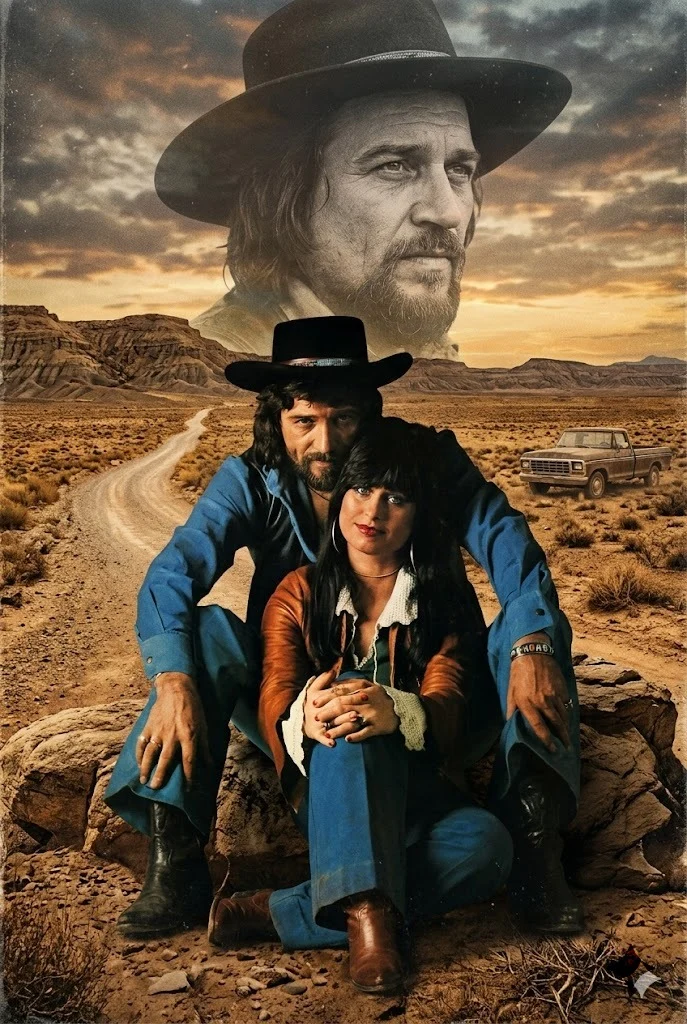
The rhinestone suit sparkled under the office lights and Waylon Jennings just stared at it like it was a costume for a man he had never been
An executive had slid it across a polished mahogany desk in Nashville and told him to put it on and play the game the way Music Row wanted it played in the 1960s
Clean faces and obedient voices and big smiles on cue. That was the factory blueprint for a country star and Waylon was supposed to step inside it without a fight
You start messing with my music I get mean
He rubbed a calloused thumb across his rough jaw and felt the stubble they wanted gone then he pushed that glittering suit right back across the desk
There was no shouting and no scene for anyone to retell later. There was only the heavy thud of worn leather boots turning away from a million dollar promise and a man walking out through heavy glass doors with his songs still belonging to him
Long before the black hat and long before the outlaw legend grew larger than the person inside it he was only a kid from Texas with a deep baritone and a restless heart
He had spun records on late night radio and played bass for legends and sung in smoke filled rooms for anyone willing to listen. He had built his name slowly with calloused hands and hard miles
He had also survived a night that never truly left him. On a freezing February night in Iowa Buddy Holly offered him a place on a small charter flight and Waylon gave that seat away
Hours later the plane went down in the snow and the loss settled deep beneath his ribs for the rest of his life. That private grief helped shape the raw edge people would always hear in his voice
A man who has lived with the memory of an empty airplane seat does not trade his soul for sequins. He does not let strangers in a sterile studio rewrite the pain that taught him how to sing
The Outlaw Awakening
The industry called him difficult and stubborn and a foolish kid throwing away a golden ticket. What they missed was simple. He was not chasing attention. He was fighting to protect the one honest thing he had
He kept the beard. He let his hair grow. When Music Row tried to hand him their polished session players he refused and demanded his own studio time
He brought in his own road band and tore away the smooth echo that had wrapped around so many Nashville records. He wanted the music close and rough and alive enough to bleed a little
By the middle of the 1970s he had earned the power to record on his own terms and then he gave the town a question it could not shake with Are You Sure Hank Done It This Way
It was far more than a hit. Over a driving and hypnotic beat he sang about shiny cars and loud crowds and an industry that seemed to have forgotten its own roots
Listeners recognized the hunger in it right away. It was still country music but it no longer sounded trapped. It sounded free in a way that made the old rules look suddenly small
Other artists saw that cracked door and pushed through it too. Willie Nelson and Kris Kristofferson and a rising wave of restless voices stopped playing by the old script and the human edges of the genre were finally allowed to breathe
Nashville had spent years trying to polish Waylon Jennings into someone safer and smoother and easier to sell. Had he obeyed the dangerous edges might have been filed away forever
Instead he proved that a legacy can be built by refusing the script and walking away with the truth intact
He did not bend to fit the world. He forced the world to make room for who he already was.