
One hour before the tape rolled on the song that would define an era, Kenny Rogers was ready to throw it away.
He had spent four frustrating days trying to make Islands in the Stream work inside a Los Angeles studio. The songwriters had presented the track with a rhythm and blues feel, and it once seemed meant for Marvin Gaye. Rogers tried to make it fit his own voice, but the melody kept slipping away.
Barry Gibb, the Bee Gees star producing the Rogers album Eyes That See in the Dark, listened to the struggle and saw what Rogers could not. The song did not need another solo take. It needed Dolly Parton.
Rogers had admired her for years. They first crossed paths backstage at a country music award show in the 1970s, during a fierce turning point for both careers. Parton was stepping out from Porter Wagoner and claiming her own voice. Rogers was rebuilding after The First Edition and learning how to stand alone.
Long before they shook hands, Rogers watched her on national television. He studied the Appalachian honesty in her delivery, the glamour she wore without apology, and the way she held a room even when the industry tried to squeeze her into a box. In a business full of rushed duets and manufactured pairings, he wanted a real microphone moment with her.
He waited. He kept the idea quiet. He wanted a song that could balance his warm baritone against her soaring range, not a quick hit built on fame alone.
That patience nearly vanished because the song almost died. Then the manager of Rogers, Ken Kragen, learned that Parton was recording in the same Los Angeles studio complex that day. He went downstairs, caught her, and asked her to come up.
When Parton walked through the studio doors, the years of quiet admiration stopped being a dream and became sound.
She stepped to the microphone. Her bright voice cut through the heavy arrangement. His weathered tone gave the melody a grounded ache. They did not need weeks of rehearsal. Their voices covered the spaces the other one could not reach.
The song Rogers had been ready to discard became a crossover storm. It reached No. 1 on the country, pop, and adult contemporary charts. It also set a new standard for collaborative records in the genre and turned a backstage admiration into a friendship that carried through decades of touring, recording, and mutual respect.
They became a defining duo in modern country music. The smooth Texan and the sparkling East Tennessee native operated on stage with a joy that no producer could fake. Their bond survived the changing industry, the long tours, and the weight of fame.
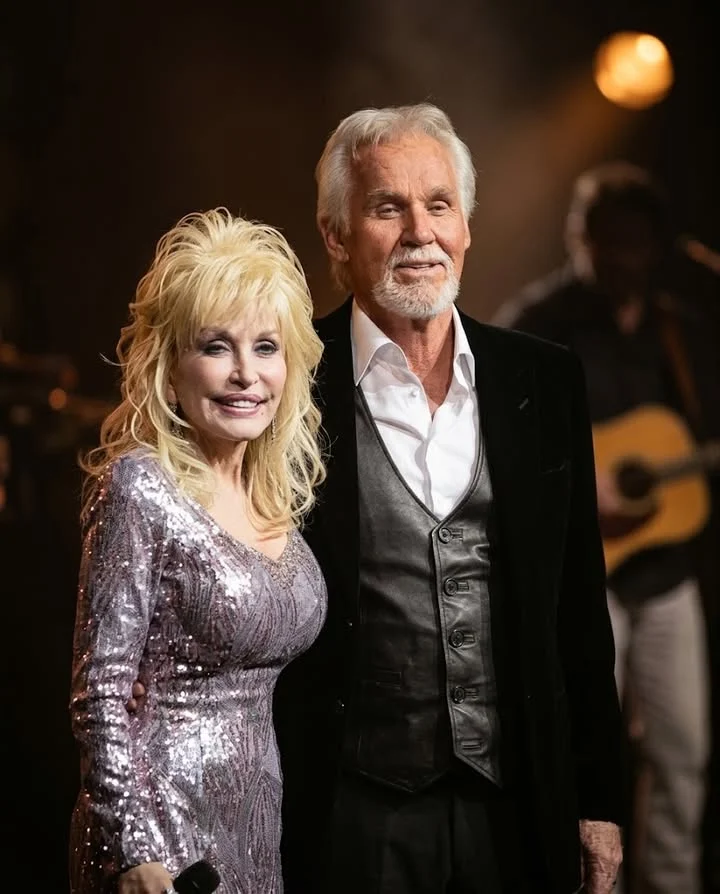
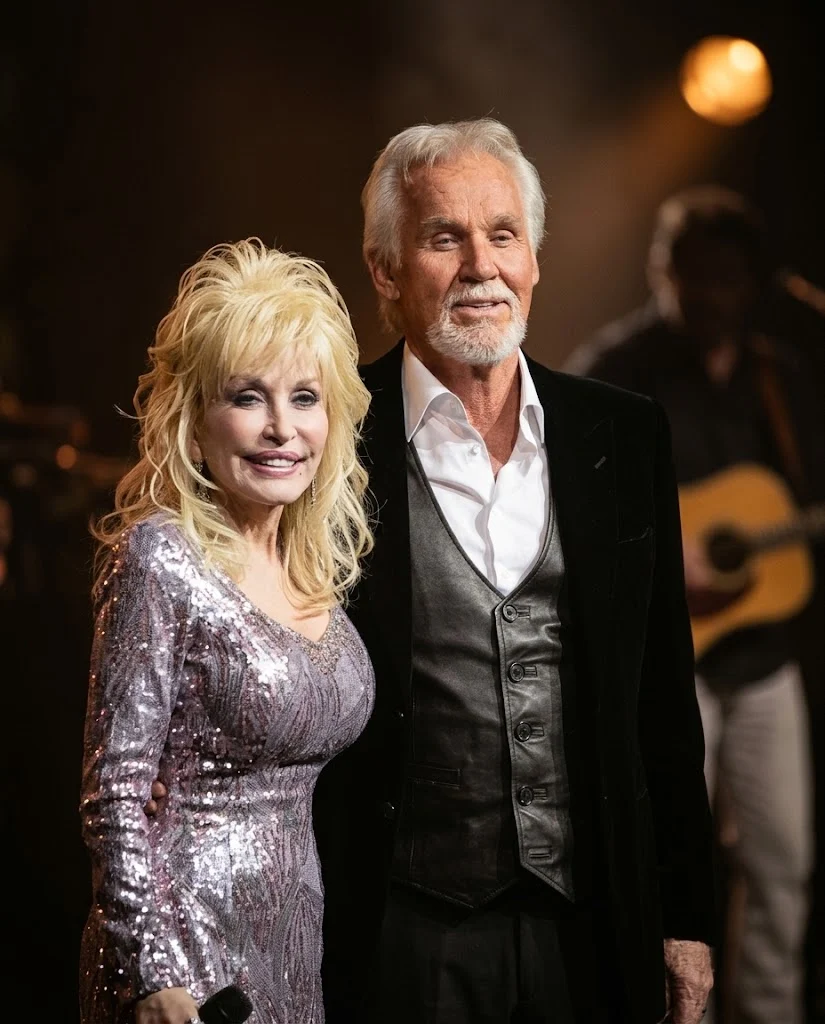
When Rogers held his farewell concert in Nashville in 2017, Parton stood right beside him. They sang together one last time, leaning on each other as the crowd listened to the final public notes of a partnership that had outlasted the trend it helped create.
The history of country music is full of planned collaborations and boardroom decisions. This one began with a decade of quiet respect, a song nearly left on the cutting room floor, and a friend walking down the hall at the exact moment the music needed her.