
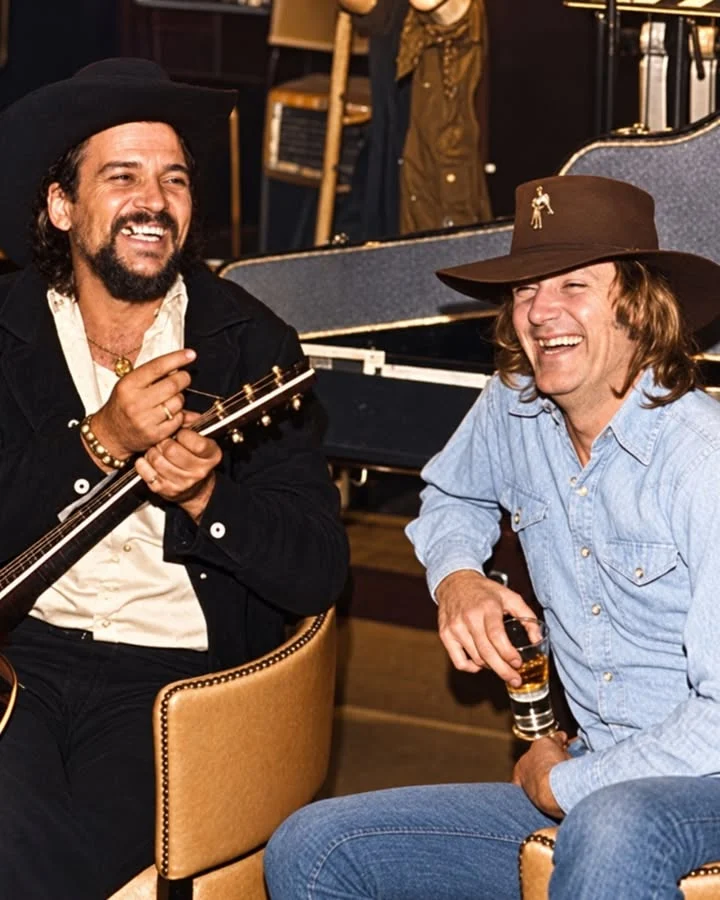
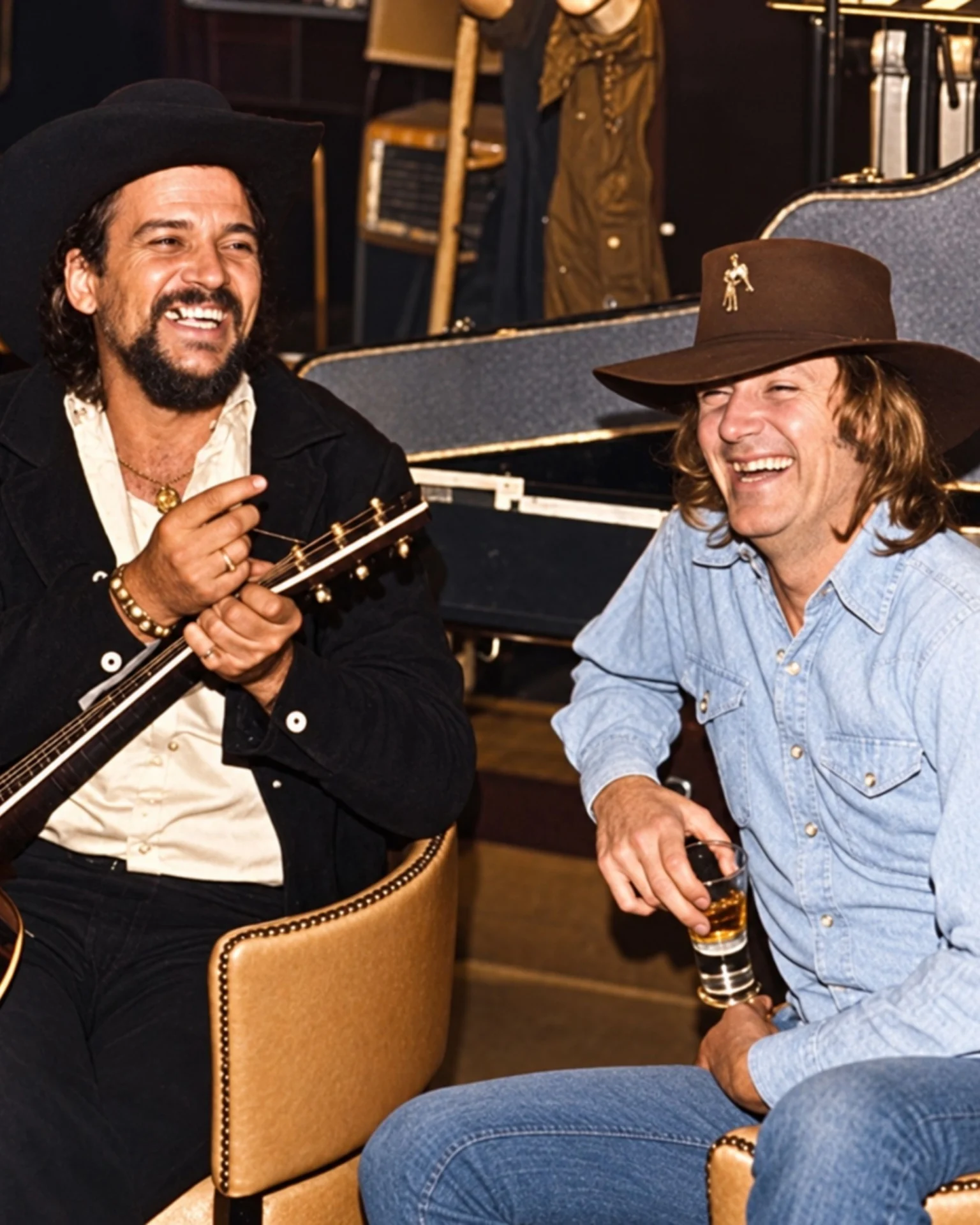
In the summer of 1972, Richie Albright walked into Waylon Jennings’ Nashville home and saw a man who had stopped believing in his own voice. The singer’s illness had settled deep into his bones. His career, built over a decade of highway miles and RCA releases, felt more like a cage than an achievement. Richie had been there before. He had been beside Waylon since the Arizona clubs of the early 1960s, learning how to follow a voice that never sat squarely on top of the beat. Now that voice was nearly silent.
Waylon Jennings had one of the most recognizable voices in country music. But RCA still decided how that voice would be recorded. The Nashville system gave Waylon producers and session players who polished every rough edge. The band that knew how to lean into his phrasing—the Waylors—waited outside the studio door. Richie understood the problem because he had lived inside it. He had watched Waylon grow frustrated as the records bore his name but not his musical identity.
Richie had left the touring life around 1970, worn down by the miles. But when he heard how far Waylon had fallen, he came back. There was no use telling a man like Waylon Jennings that he was talented. He needed someone who understood why talent had not given him authority. Richie was that someone.
Richie helped bring New York manager Neil Reshen into Waylon’s orbit. Reshen had handled artists like Miles Davis and Frank Zappa—musicians who treated artistic control as a contractual right. He looked at Waylon’s RCA deal and saw the chains. He renegotiated. The new agreement gave Waylon the ability to produce his own records, choose his own material, and bring his own musicians into the studio.
The change can be heard in the records that followed, one industry observer noted. The sound later called outlaw country was born in those contract clauses.
Richie’s drumming sat beneath Waylon’s voice with a heavier pulse than Nashville had allowed. Ralph Mooney’s steel guitar bent and cried around it. Albums like Lonesome, On’ry and Mean and Honky Tonk Heroes emerged from this new freedom. The word ‘outlaw’ became attached, but the real revolution was practical. The road band finally belonged in the recording room.
Waylon called Richie his right hand. Their relationship lasted through addiction, volatility, and success. When Waylon and Jessi Colter named their son Waylon Albright Jennings—Shooter—they placed Richie’s surname inside the family. That middle name was a permanent reminder of who had been there when everything else seemed lost.
Richie Albright died in 2021 at eighty-one. The obituaries called him the drummer who helped define Waylon Jennings’ sound. That was true, but incomplete. More accurately, he was the man who returned when the singer had no road left—and helped him find one.
The contracts changed country music. The records made the change audible. But when Waylon had been too sick and discouraged to see much of a road ahead, it was the man behind the drum kit who came back and helped him find one.