
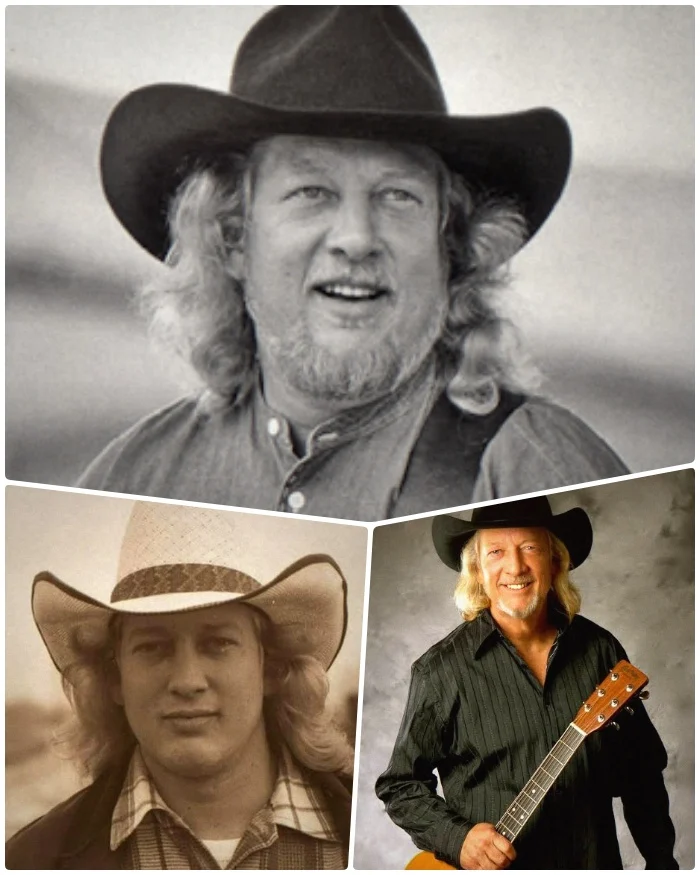
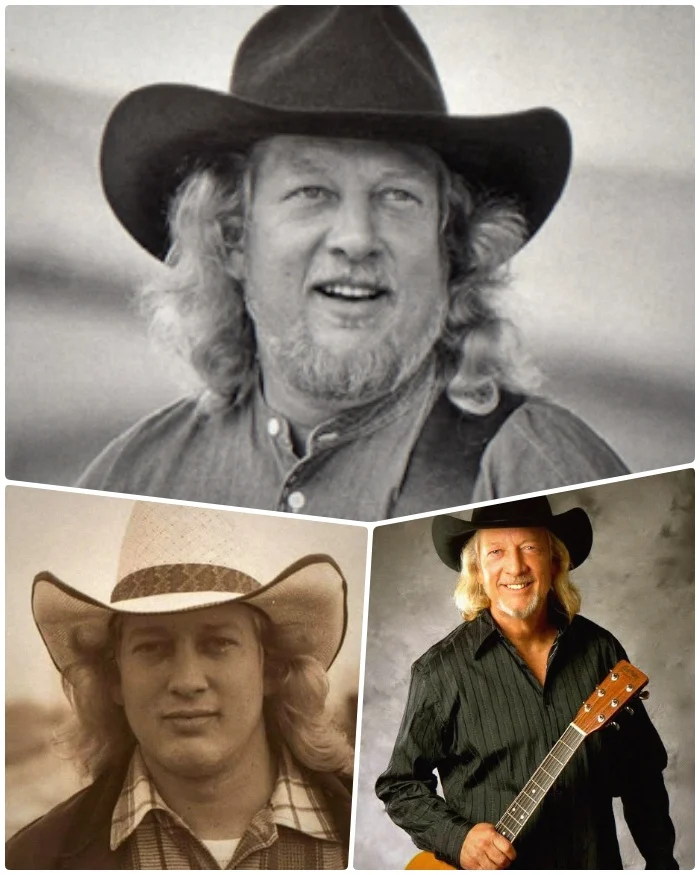
Long before soundcheck on tour after tour, John Anderson walked the grounds first to greet maintenance crews and stagehands because he recognized his father in every worker earning an honest living under a hard sun.
When the first major royalty checks arrived from multi-platinum success and beloved hits like Swingin’ and Seminole Wind, he did not chase luxury. He headed back to Florida to help support his parents, honoring the quiet standard that had shaped him in Apopka.
Born in December 1954, Anderson grew up in central Florida as one of six children alongside three older sisters, a younger sister, and a younger brother. Their father worked as the landscaping superintendent at Florida Technological University, the Orlando campus that later became the University of Central Florida.
In those early building years, when the grounds were still mostly raw sand and scrub pine, he labored through the midday heat and came home each evening in clothes smelling of dirt and fresh grass clippings to feed a table of eight. Supper often came from the family vegetable rows and fish pulled from nearby Lake Apopka.
After dishes were cleared, music filled the small house through evening radio broadcasts and secondhand instruments. Anderson began picking out guitar chords and singing at age seven while his sister Karen played piano and Donna sang country and folk songs around the living room.
As a teenager in the late 1960s, he first leaned toward electric rock and roll, listening to Jimi Hendrix and the Rolling Stones while fronting local Florida garage bands called the Weed Seeds and the Living End. Around age fifteen, records by Merle Haggard and George Jones pulled him back toward traditional country phrasing, and watching Donna perform in local clubs showed him how a singer could truly hold a room.
Donna later married a songwriter who landed a staff writing job with Jim Reeves Enterprises, and the couple moved north to Tennessee. Their struggle and hope in the music business convinced Anderson that Nashville was within reach for an ordinary kid from Orange County.
After graduating from high school in the early 1970s, he drove north and arrived unannounced at Donna’s house in Nashville with his guitar and a groundskeeper’s work ethic. His father had been cautious about the uncertainty of a musician’s life, yet he still handed his son part of his hard-earned savings before the journey.
Put in an honest day of labor wherever you ended up
Anderson lived by that advice from the start. By day, he took heavy construction and roofing work around town, including nailing shingles onto the new Grand Ole Opry House before it opened in March 1974. By night, he and Donna sang together in small Nashville clubs for tip jar money, blending close family harmonies while he searched for a publishing deal.
An early independent single caught the ear of publisher Al Gallico, leading Anderson to sign with Warner Bros. Records in 1977 and begin his climb up the Billboard country charts. When he broke through in 1982 with his first number one hit Wild and Blue, Donna’s high lonesome harmony helped carry the record to the top. Years later, they continued writing together with his brother Michael on songs like Long Hard Lesson Learned and The Greatest Story Never Told.
Even stardom never loosened his grip on home. After buying his rural farm in Smithville, Tennessee, in 1983, Anderson spent the next four decades tending his own trees, vegetable garden, and pastures from the seat of a tractor.
Right up until his passing on October 21, 2026, at age 71, the Country Music Hall of Famer kept his hands in the dirt and his family on the harmony line, living proof that the lessons learned around that Apopka table could carry a man to the brightest stages and still bring him home.