
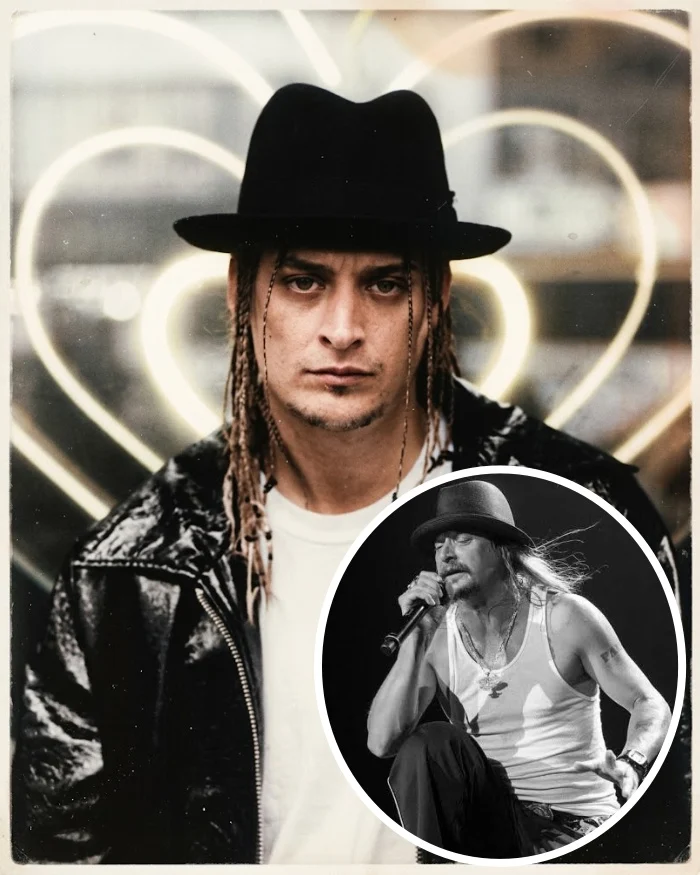
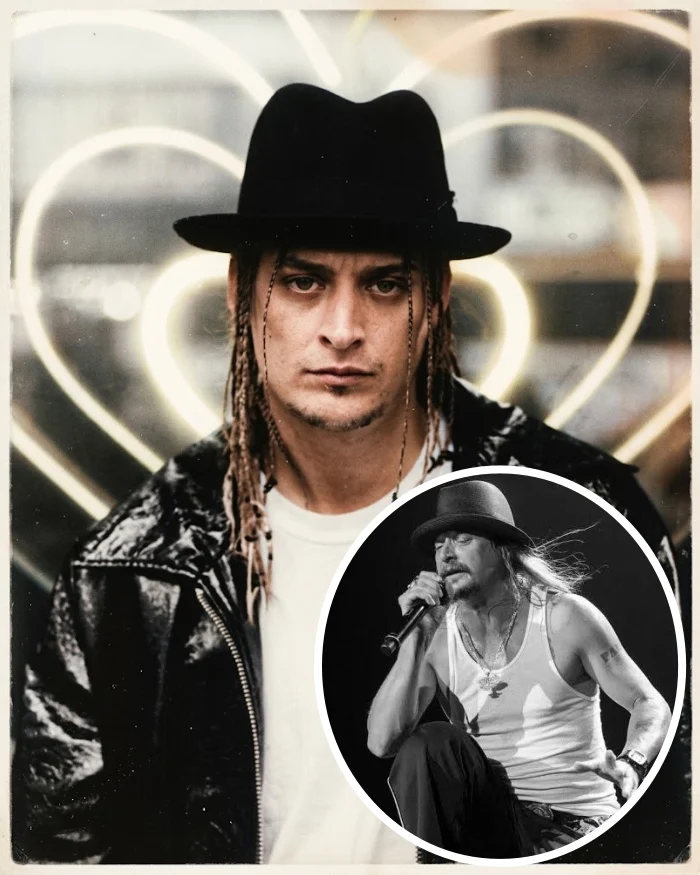
A decade of being told he did not fit in ended with the loudest answer possible Eleven million record sales silenced every executive who ever laughed at Kid Rock. But long before the Diamond plaque, he was just a Michigan outcast selling cassette tapes from the trunk of his car.
They said his mix of rap, metal, and country could never work. The fans disagreed in numbers that shocked the world.
In 1997 Robert Ritchie, better known as Kid Rock on the Detroit club circuit, had already been dropped by two major labels. At 26 he was considered dead weight by an industry that had no use for his loud collision of genres. So he built his own independent label called Top Dog Records and pressed his own CDs to sell at local gigs. He survived on scraps while the mainstream turned its back.
Everything changed at a showcase that year. Jason Flom, an executive famous for betting on unconventional musicians, heard something magical in the chaos. While his peers dismissed Kid Rock as a liability, Flom saw a singular force. He convinced Atlantic Records to take a massive chance and handed the singer a $150,000 advance.
That money could have bought a glossy Los Angeles production. Instead Kid Rock doubled down on his Detroit roots. He used the funds to build the Twisted Brown Trucker band and paid his players a real wage. He turned White Room Studios in Detroit into a laboratory for his raw sound. He took charge as producer and multi-instrumentalist, carefully shaping each track to capture the wild energy of his live shows.
He blended hip-hop turntable scratches with heavy metal guitar riffs. He set programmed drum patterns against southern rock grooves. He brought in his close friend Uncle Kracker and the unforgettable Joe C., a three-foot-nine hype man who gave the project even more attitude. Nothing in that studio tried to fit commercial radio formats. It was simply the honest sound of the local stage they had lived in for years.
When Devil Without a Cause arrived in August 1998, the world did not immediately pay attention. The album debuted quietly and for months looked like another failure. The band refused to panic. They hit the road with relentless energy and played anywhere that would have them. The turning point finally came when MTV put the album into heavy rotation in 1999. A Detroit underdog bellowing over heavy guitars and hip-hop beats became impossible to ignore.
Kid Rock took the biggest risk an artist can take by staying exactly who he was that bet made him a star.
Sales exploded and the RIAA eventually certified Devil Without a Cause Diamond for more than 11 million copies sold in the United States. Tracks recorded in a Michigan studio by a crew of local outcasts crossed over to rock, pop, and country radio. The man selling cassettes from his trunk had rewritten every rule the music industry thought it knew.