
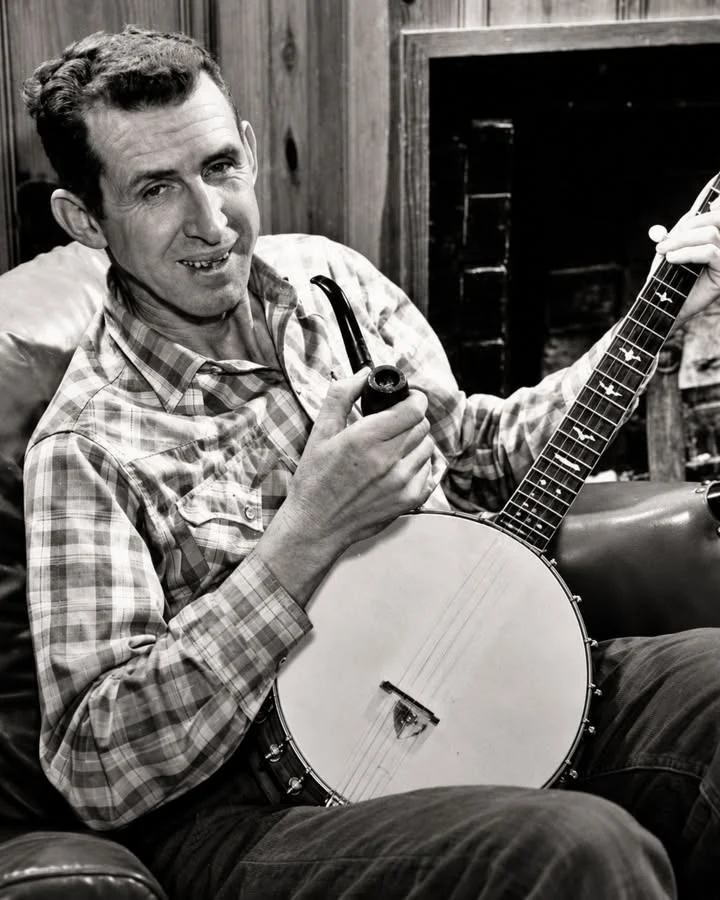
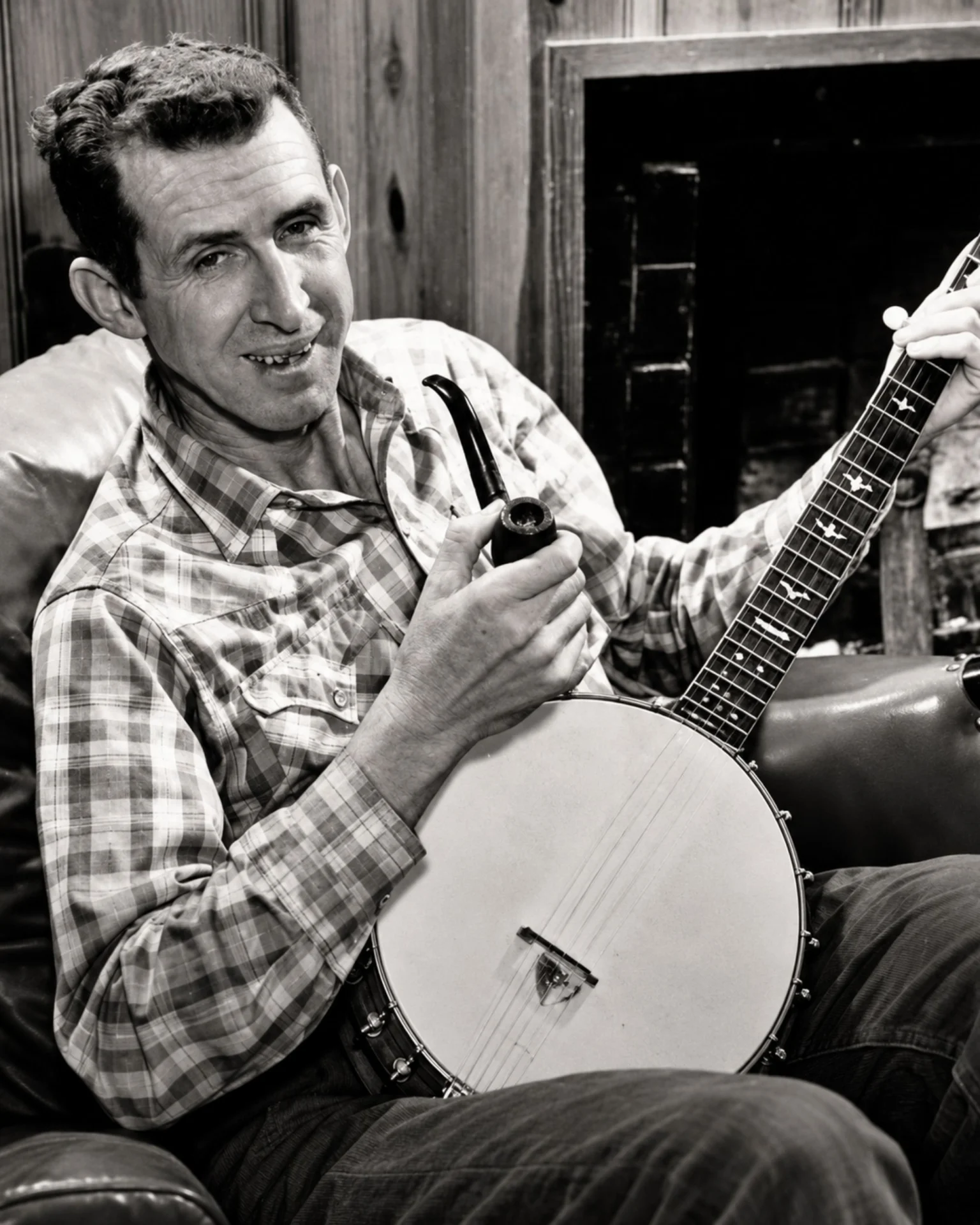
The Grand Ole Opry stage had been warm with applause. Stringbean Akeman, the lanky banjo picker in his comic outfit, had just finished another Saturday night show. But the road home held no encore. When he and his wife Estelle arrived at their Nashville cabin, two men were waiting in the dark. By morning, the Opry family would never be the same.
“The murder did not feel like ordinary crime news. It felt like someone had stepped from the darkness into the Opry family’s own living room.”
David Akeman, known to millions as Stringbean, was more than a comedian. He was a protégé of Uncle Dave Macon and a serious old-time musician whose roots ran deep into country music history. On Hee Haw and the Opry, he made audiences laugh before they realized how profound his craft was. Offstage, he and Estelle lived simply, keeping cash close because he distrusted banks. That ordinary rural habit became a deadly rumor.
On November 10, 1973, while the Akemans performed, two intruders broke into their cabin searching for hidden money. When the couple returned, they were killed. The next morning, fellow Opry star Grandpa Jones found the scene. The crime shocked Nashville not because a celebrity died, but because it struck at the heart of a world that felt safe and familiar.
“Behind the old stage smile was now a cabin outside town, a Saturday night ride home, and a silence that made even the funniest man in the room feel suddenly far away.”
The killers came for cash, but the story held a bitter twist. In 1996, money was discovered hidden in the cabin’s chimney. It had survived the men who sought it, but it could not save the people who owned it. Stringbean’s death changed how Nashville remembered its innocence. The Opry still opened, Hee Haw still aired, but the laughter now carried a shadow. The banjo, the jokes, the old mountain songs all became a reminder that even the brightest stage hides a dark road home.