
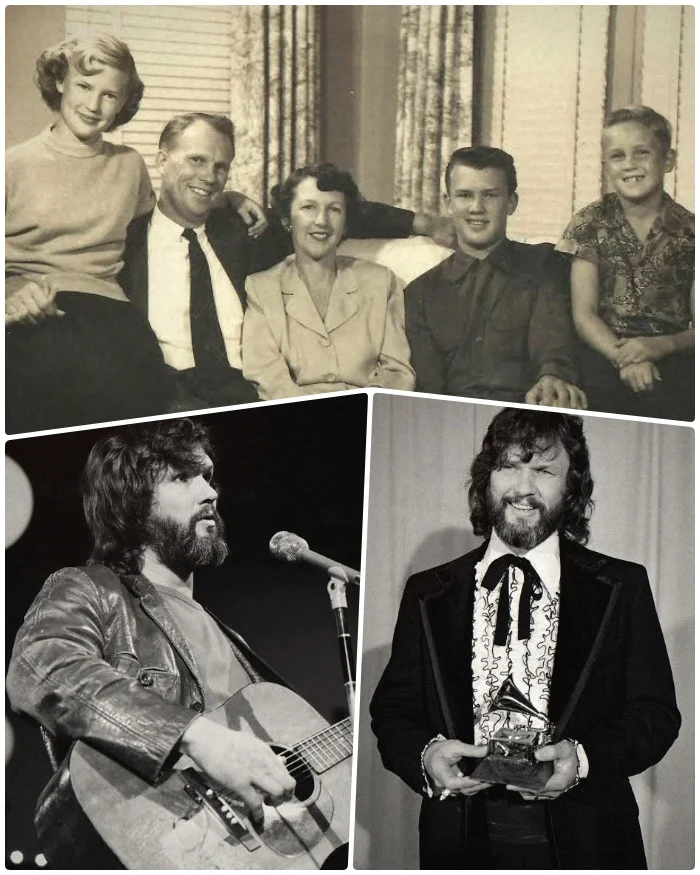
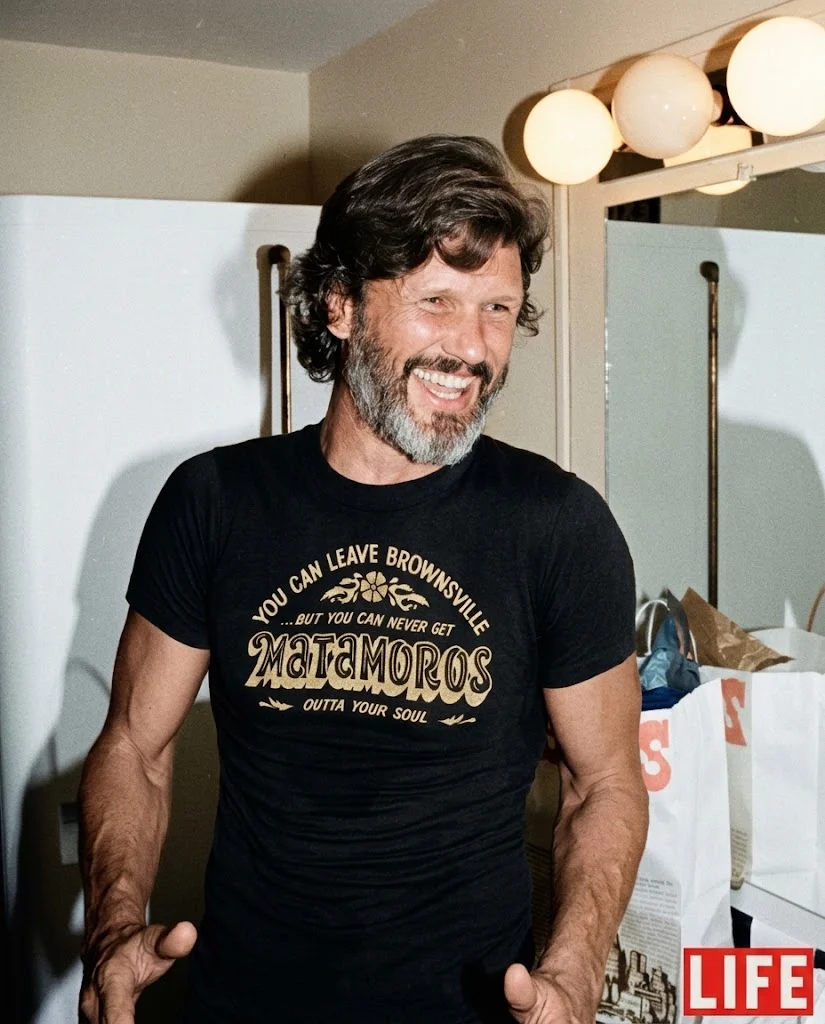
Out in the quiet hallways of Columbia Recording Studios in Nashville, a night janitor pushed his broom past doors where giants like Bob Dylan recorded history. Few knew that this floor-sweeper was actually Kris Kristofferson, a brilliant Rhodes Scholar and former U.S. Army captain who had just walked away from a guaranteed teaching post at West Point.
Kristofferson chose a life of grueling uncertainty just to breathe the same air as his musical idols. But that audacious leap came with a devastating price tag.
His parents viewed his choice as a profound betrayal of their military lineage. His mother wrote a harsh letter formally disowning him, branding him an embarrassment to the family name. The immense financial strain fractured his home life, and by 1969, his marriage to Fran Beer collapsed entirely.
Left alone in a dismal tenement room with nothing but a guitar and his fading prospects, Kristofferson plunged into deep isolation. Yet that crushing loneliness became the exact crucible his art required.
The deafening silence of those lonely days in 1969 directly birthed the raw, honest masterpieces that would define his legendary career.
Waking up hungover in a rundown boarding house, he penned Sunday Mornin’ Comin’ Down, capturing the poignant reality of a man with nowhere to be. Out of that same period of intense personal loss emerged enduring anthems like Help Me Make It Through the Night and Me and Bobby McGee.
Driven by pure desperation, he even landed a helicopter on Johnny Cash’s front lawn to deliver a demo tape. The brazen gamble worked when Cash recorded his song, propelling Kristofferson from the bottom of the studio to the pinnacle of American songwriting.
He sacrificed comfort, family approval, and social prestige to change the vocabulary of country music forever. The empty room that nearly broke him ultimately gave the world its greatest poet.