
When the heavy trunk finally opened in a quiet Dallas living room, the past stepped out in sequins and stitched gold thread.
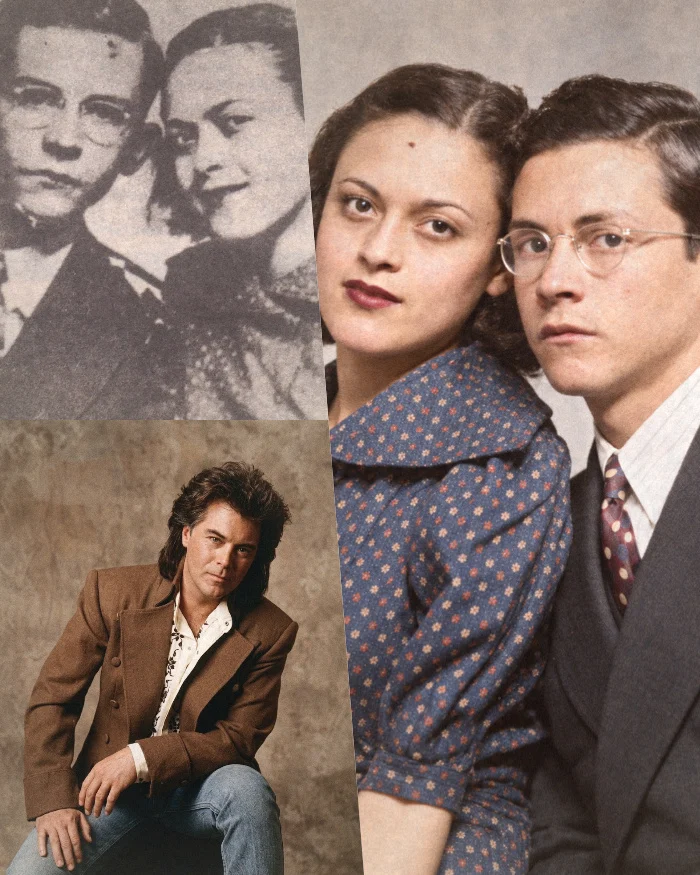
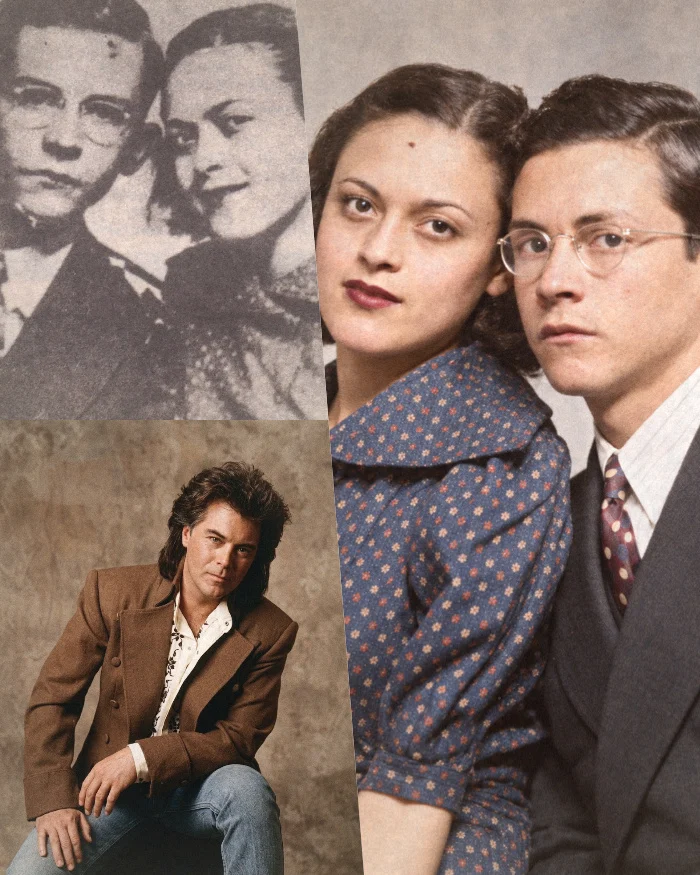
Marty Stuart had walked up the front steps of a modest Oak Cliff duplex in the late 1980s with a notebook and an address from a mutual friend. The woman who answered was Irene Williams Smith, the sole surviving sister of Hank Williams, then living far from the spotlight in a neighborhood that asked nothing of her.
Inside that house sat a steamer trunk that had stayed hidden from public view for more than thirty years. As Stuart watched, Irene lifted the lid and revealed the physical remnants of her younger brother Hiram’s brief and blazing life. Layered within were Nudie Cohn stage suits embroidered with musical notes, custom felt hats, private letters, song folios, personal jewelry, and diamonds from the Grand Ole Opry and the Louisiana Hayride.
Collectors and auction houses had circled Irene for decades. After Hank died in 1953, country music relics became a speculative market, and many historic garments were cut apart for display cards or locked away in private vaults. Irene turned down lucrative offers and guarded the trunk herself.
Now nearing eighty, she did not want a buyer. She wanted an inheritor. She had followed Stuart’s path from mandolin prodigy in Lester Flatt’s band to guitarist in Johnny Cash’s band, and she saw a Mississippi native who treated country music artifacts as sacred Americana rather than souvenirs.
The condition she gave him was simple. Keep the collection intact. Honor Hiram’s memory. Make sure the public could see the craftsmanship born from working-class culture.
For Irene, the trunk was not a fortune. It was a promise.
Stuart accepted the responsibility with seriousness and carried it into a decades-long curatorial mission. He helped build a preservation effort that gathered more than twenty thousand historical artifacts, growing from the seed Irene planted in that Dallas home.
Through the 1990s and 2000s, Stuart worked with the Country Music Hall of Fame and Museum and the Rock and Roll Hall of Fame, lending Hank’s iconic stage suits and handwritten lyrics to major public exhibitions. The garments preserved in Irene’s duplex anchored stories about the birth of modern American music, showing precision stitching and pristine condition that reflected her quiet vigilance.
Stuart later published large-format photographs of Hank’s stage suits, boots, and personal treasures, sharing their history with a wider audience.
For Irene, placing that trunk into Stuart’s hands was the final duty of a lifetime spent shielding her frail younger brother. From the dirt roads of Alabama to the quiet rooms of Dallas, she kept her promise to Hiram and made sure the physical pieces of his legacy were safe before she let go.