
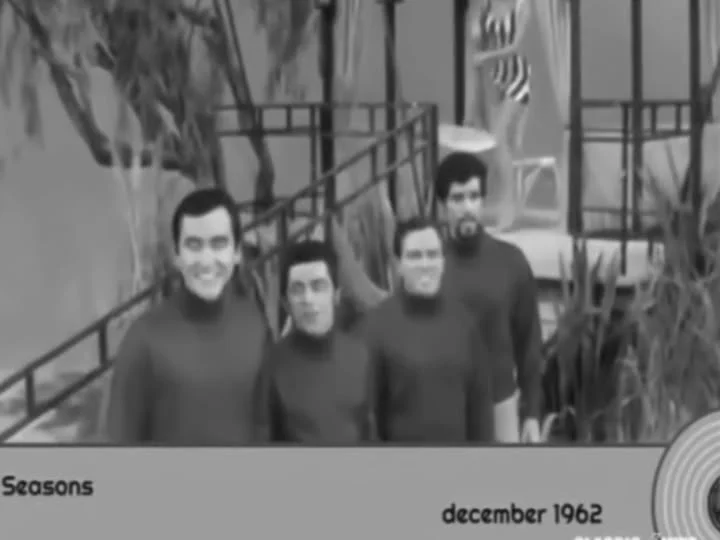
The opening guitar riff of “Sherry” is the kind of sound that stops conversation cold. A single strum, a rolling piano line, and then the unmistakable falsetto of Frankie Valli cuts through the air like a beam of pure joy. For millions of listeners in 1962, that moment was more than just a song. It was a declaration that pop music had entered a new and thrilling era. Decades later, the track still carries an electric charge, instantly transporting anyone who hears it back to a time when harmony groups ruled the airwaves and a three-minute single could feel like a promise of endless summer.
That magic did not happen by accident. The Four Seasons had been perfecting their craft for years before “Sherry” arrived, blending the doo-wop sounds of the street corner with the raw energy of rock and roll. When the song finally emerged, it was not merely another hit single. It was a seismic event that rearranged the pop landscape and made Valli and his bandmates household names. What follows is a closer look at how that moment came to be, what made the music so special, and why “Sherry” remains a cornerstone of early 1960s pop.
The Journey to the Top
Long before the charts caught fire, The Four Seasons were building a reputation as one of the most versatile vocal groups in the business. Their debut album, Sherry & 11 Others, landed in 1962 and introduced the world to a sound that was equal parts polished and raw. The title track was the spark, shooting to number one on the Billboard Hot 100 and holding that position for five straight weeks. But that was only the beginning. The follow-up album, Big Girls Don’t Cry, arrived in 1963 and solidified the group’s place in history with another set of unforgettable songs. Together, these records captured a band at the peak of its powers, with Valli’s soaring falsetto leading the way through every twist and turn.
What set “Sherry” apart from the pack was not just the melody, though that melody was unforgettable. It was the way every element locked together with a sense of urgency that felt both effortless and inevitable. The song’s narrator is not merely singing about love. He is pleading, aching, and reaching for something just out of grasp. That emotional tension, paired with a beat that never lets up, created a sound that was entirely fresh and yet deeply familiar.
The Anatomy of a Classic
Listen closely to “Sherry” and you will hear a masterclass in arrangement. The track opens with that iconic guitar riff, a simple but insistent pattern that hooks the ear immediately. Beneath it, the piano adds a shimmering layer of harmony, filling the space without ever overwhelming the vocals. The bassline walks with a steady, confident groove, while the drums crack with a precision that keeps the whole thing moving forward. Together, these instruments create a bed of sound that supports Valli’s voice as it climbs higher and higher.
The real genius of the song, however, lives in the vocal arrangement. The background singers weave in and out of the lead, answering every phrase with a call and response that feels spontaneous and carefully crafted at the same time.
The structure of the song is deceptively simple. Verses build anticipation, the chorus explodes with that unforgettable “Sherry, Sherry baby” refrain, and then a bridge gives Valli a chance to show off his upper register with breathtaking control. Each section flows naturally into the next, creating a journey that feels complete in under three minutes. It is the kind of songwriting that sounds easy, but only because the musicians make it look that way.
A Cultural Touchstone
When “Sherry” hit the airwaves, it did more than top the charts. It became a soundtrack for a generation. The song captured a particular kind of optimism and youthful longing that defined early 1960s America. It was played at dances, on car radios, and through open windows on warm summer nights. For many people, the song is inseparable from their own memories of first loves and carefree days. That emotional resonance is why it has endured for more than sixty years, while so many other pop songs from the era have faded into obscurity.
Frankie Valli’s performance in particular set a new standard for pop vocalists. His falsetto was not just a gimmick. It was a genuine instrument, capable of conveying vulnerability and strength in the same breath. That combination made him one of the most imitated singers of his generation and helped The Four Seasons stand out in a crowded field.
Songs That Share the Spirit
Fans of “Sherry” will find plenty of kindred spirits in the music of the early 1960s. Several other tracks from the same period offer a similar blend of irresistible hooks and lush harmonies.
The Four Seasons – “Big Girls Don’t Cry” (1962) is a natural starting point. This song captures the same energy and vocal brilliance as “Sherry,” with a playful swagger that makes it just as memorable. It proves that The Four Seasons were no one-hit wonder.
The Crystals – “Then He Kissed Me” (1963) brings the legendary Phil Spector production style to the table. The famous wall of sound creates a sweeping, cinematic backdrop for a melody that is pure pop perfection. It is a worthy companion piece for anyone exploring the sounds of the era.
The Beach Boys – “Surfin’ USA” (1963) trades doo-wop for surf rock but shares the same sunny disposition and intricate vocal harmonies. The Beach Boys may have been singing about waves and cars, but their sound was just as ambitious as anything coming out of the Brill Building.
The Shirelles – “Will You Love Me Tomorrow” (1960) offers a more introspective take on the girl group sound, with a gorgeous melody and heartfelt delivery. It is a reminder that the early 1960s were a golden age for vocal pop, with artists from every corner pushing each other to new heights.
Why It Still Matters
“Sherry” is not just a relic of a bygone era. It is a living piece of history, a song that continues to inspire new generations of listeners and musicians alike. Its influence can be heard in everything from modern pop to indie rock, a testament to the timelessness of a great melody and a powerful voice. The Four Seasons may have been products of their time, but their best work, and “Sherry” in particular, has outlived the era that created it.
For anyone hearing the song for the first time, it is a doorway into a world of rich vocal harmonies and heartfelt songwriting. For those who grew up with it, it is a beloved old friend. Either way, “Sherry” remains a shining example of what pop music can achieve when everything comes together just right. The records have changed, the technology has evolved, but the magic of that voice, that riff, and that chorus is as potent today as it was in 1962. Some songs are simply built to last, and this is one of them.