
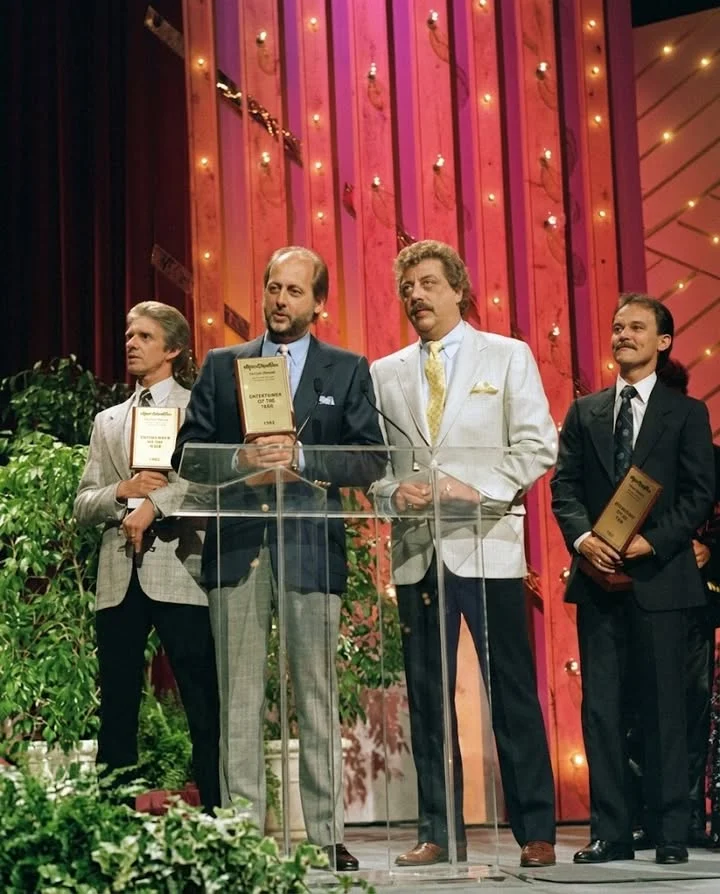
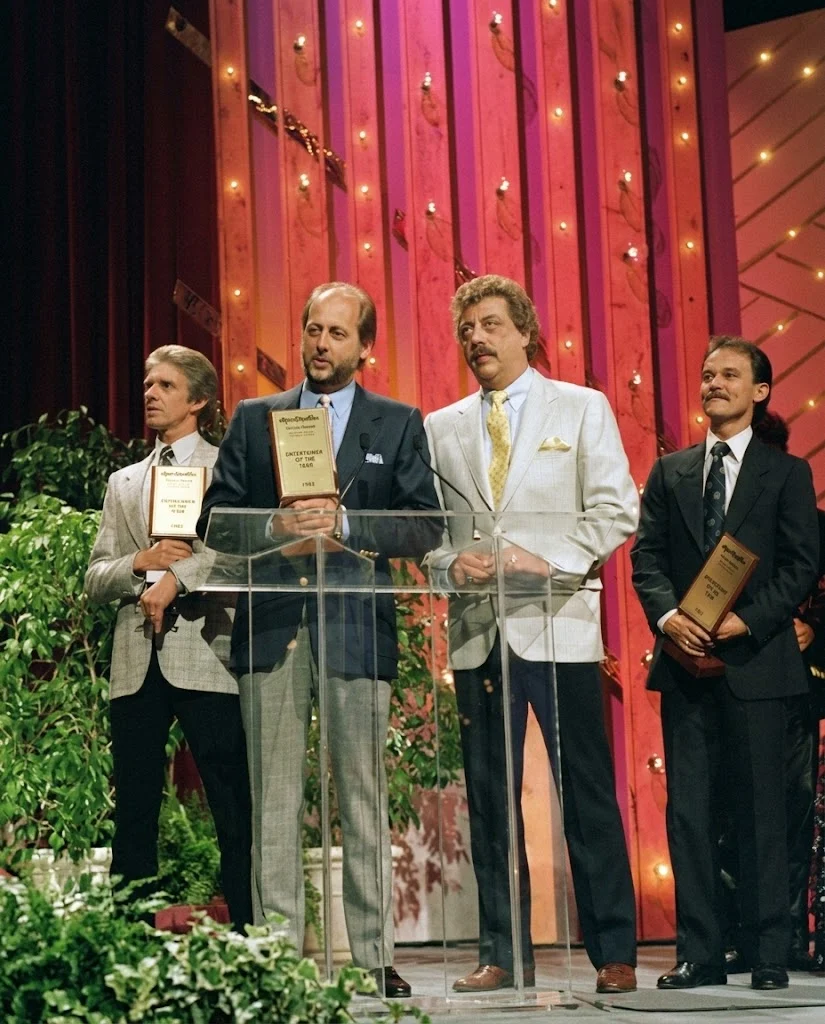
One backward tumble into a drum kit in Tulsa became the spark behind a 1984 country music triumph for Jimmy Fortune and The Statler Brothers.
The story begins with pressure. In the winter of 1982, Fortune stepped into one of the most scrutinized seats in country music. He became the tenor of The Statler Brothers, replacing Lew DeWitt after DeWitt had to leave because of a lifelong battle with Crohn’s disease.
DeWitt had written Flowers on the Wall, the song that helped launch the group’s career. Fans loved the original blend. Many worried the quartet could not sound the same without him.
Fortune arrived as a young singer from Virginia. He had a clear voice and a heavy task. He needed more than harmony. He needed a contribution that would help the group move forward.
The first clue came quietly on the road. While watching the 1956 film Giant, starring Elizabeth Taylor and Rock Hudson, Fortune felt a melody rise in his mind. A single name followed, elegant and simple. He began shaping chords on his acoustic guitar, yet the song still lacked its final shape.
Then came the stage moment that sealed it. During a high energy performance in Tulsa, Oklahoma, Fortune leaned toward the crowd. A young woman in the front row grabbed his hand and shouted her own name.
“I’m Elizabeth!”
The sudden pull startled him. Fortune lost his footing and fell backward into the drum kit. The crowd gasped. The band froze. For a heartbeat, it looked like a disaster.
Instead, it became the missing piece. The name, the melody, and the emotion snapped together. Fortune finished the song, turning a clumsy accident into a tender tribute.
Turning a raw idea into a polished hit required trust.
Back in Nashville, the group worked with producer Jerry Kennedy on the album Today. They kept the arrangement restrained. The focus stayed on the voices. Fortune’s lead soared, while Don Reid, Harold Reid, and Phil Balsley built the signature harmony around it.
The result felt fresh yet familiar. It carried the Statler sound into a new era without erasing the past.
Released in the fall of 1983, Elizabeth reached the top of the Billboard Hot Country Singles chart in March 1984. It became Fortune’s first number one hit as a songwriter and a defining moment for the group.
For the brothers beside him, the chart position was validation. For fans, it was reassurance. For Fortune, it was proof that a shaky beginning could become a lasting legacy.
The tumble in Tulsa did not break the moment. It made the anthem. That is the magic of country music, where a clumsy human mistake can become a polished classic, a shared memory, and a song that endures.