
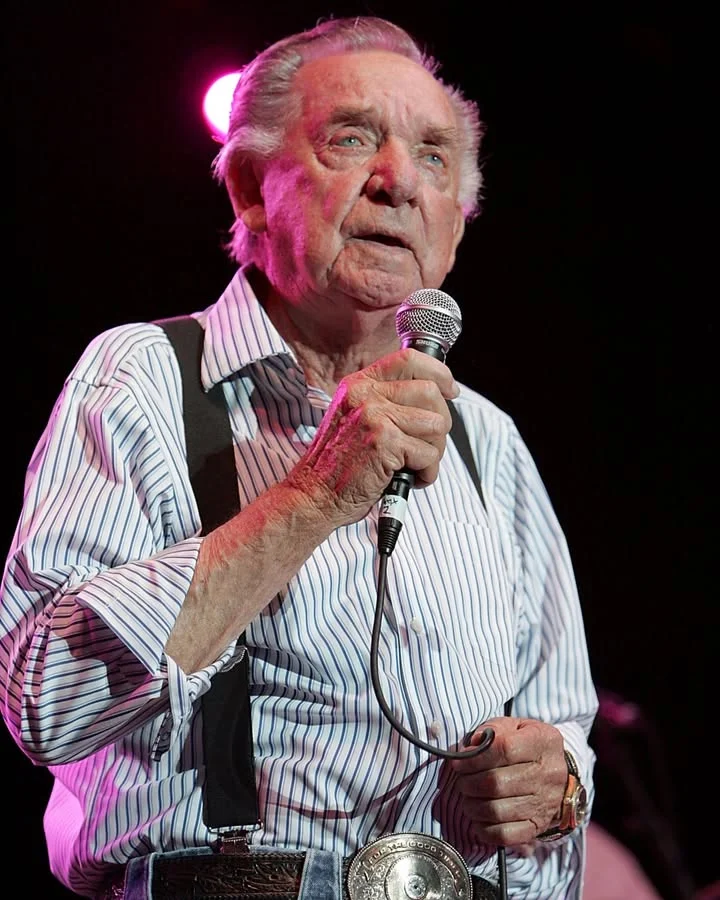
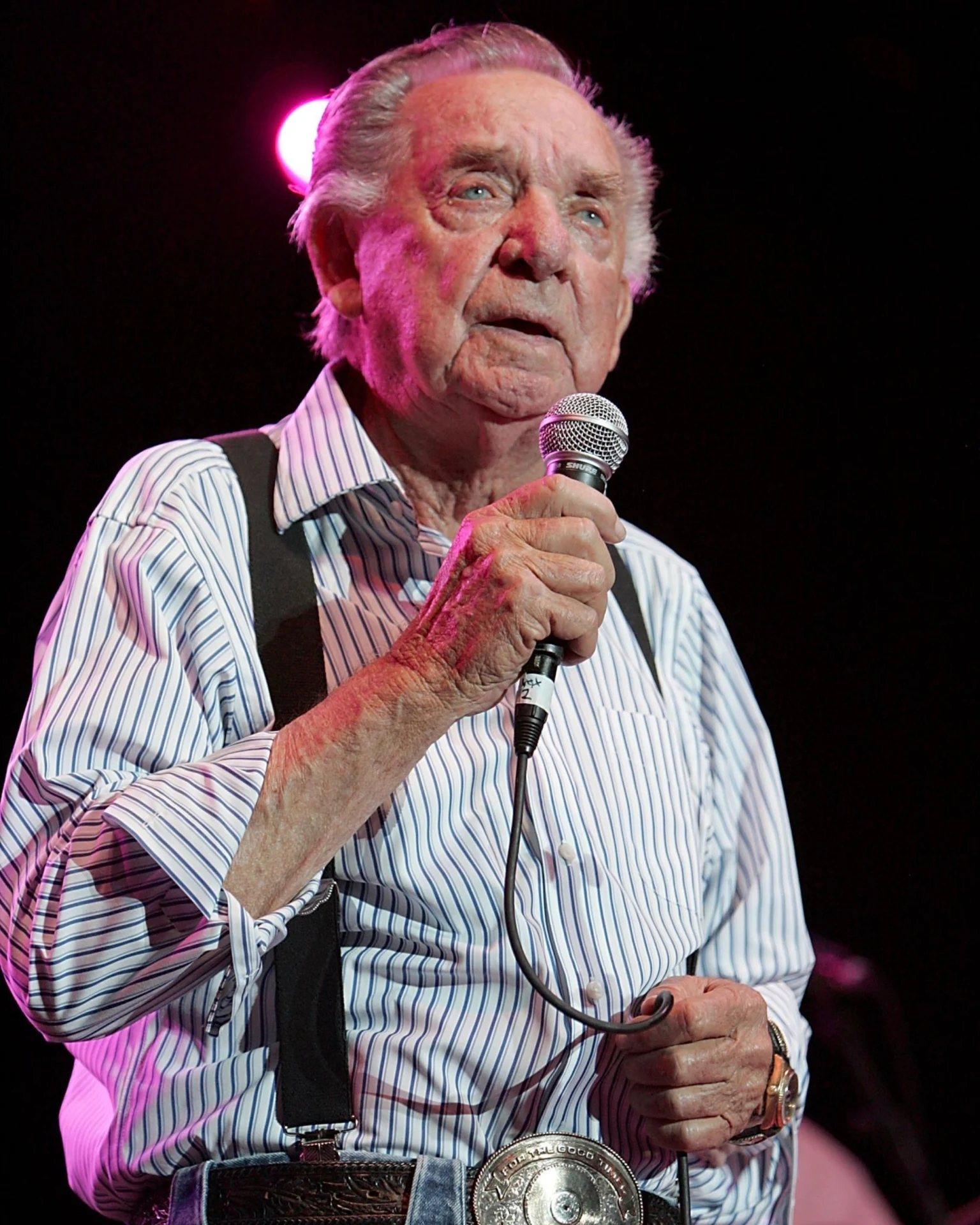
Ray you sound more like ol Hank every time I hear you
That line from a crowd member was meant as praise. But for Ray Price it became a warning he could not ignore. He had been living inside Hank Williams shadow for years and that comment finally forced him to step out and build his own sound.
Price first met Hank in 1951 when his own career was still trying to find direction. Hank took an immediate liking to the young Texan brought him on the road helped him reach the Grand Ole Opry and even shared a Nashville house with him during the turbulent final year of his life. When Hank was unable to perform Price sometimes stepped in and sang his songs for the audience.
After Williams died on January 1 1953 Price continued working with members of the Drifting Cowboys. The arrangement carried a problem his singing had absorbed so much of Hanks phrasing that the resemblance was becoming difficult to ignore. Recordings from that period show Price still searching for an identity separate from the man who had been his mentor.
Then came the remark from the audience
Rather than treating it as praise Price heard a warning. He eventually moved away from the Drifting Cowboys and formed the Cherokee Cowboys giving himself a band with which he could develop something that belonged to him rather than preserve someone else sound.
The breakthrough arrived on March 1 1956 during the recording of Crazy Arms
Price pushed the rhythm away from the customary country 2/4 feel toward a driving 4/4 bass and shuffle with Tommy Jackson fiddle cutting sharply across the arrangement. The record spent twenty weeks at No. 1 while the rhythmic approach spread so widely that musicians began calling it the Ray Price Beat.
The Cherokee Cowboys would later become a training ground for musicians such as Willie Nelson Roger Miller and Johnny Paycheck but Price first achievement with the band was more personal it gave him enough distance from his mentor to discover the sound other singers would eventually copy from him.
Hank Williams had helped Ray Price get into Nashville. What Price built after stepping out of Hank shadow helped give Texas honky-tonk one of its defining rhythms.