
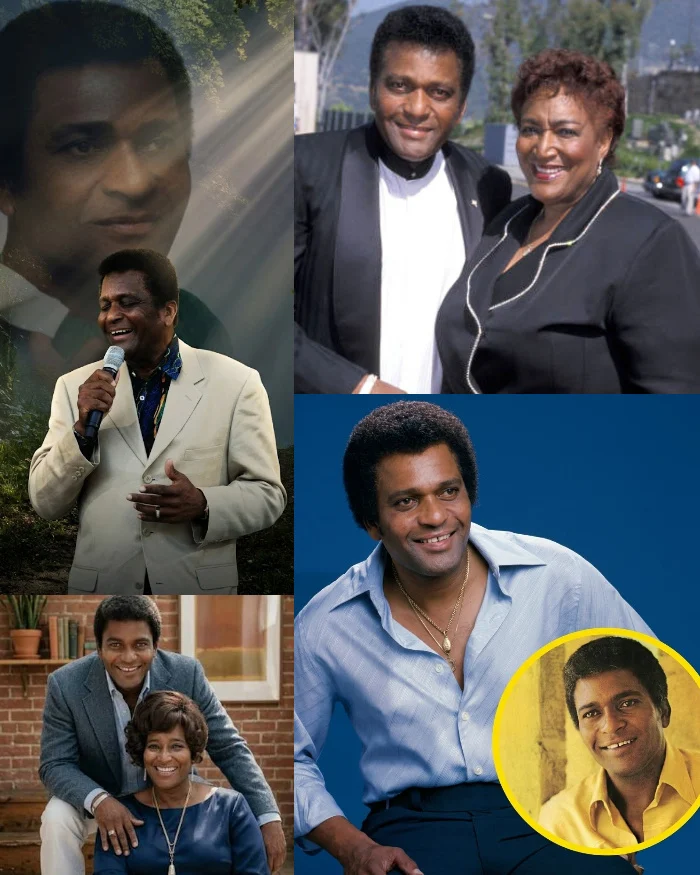
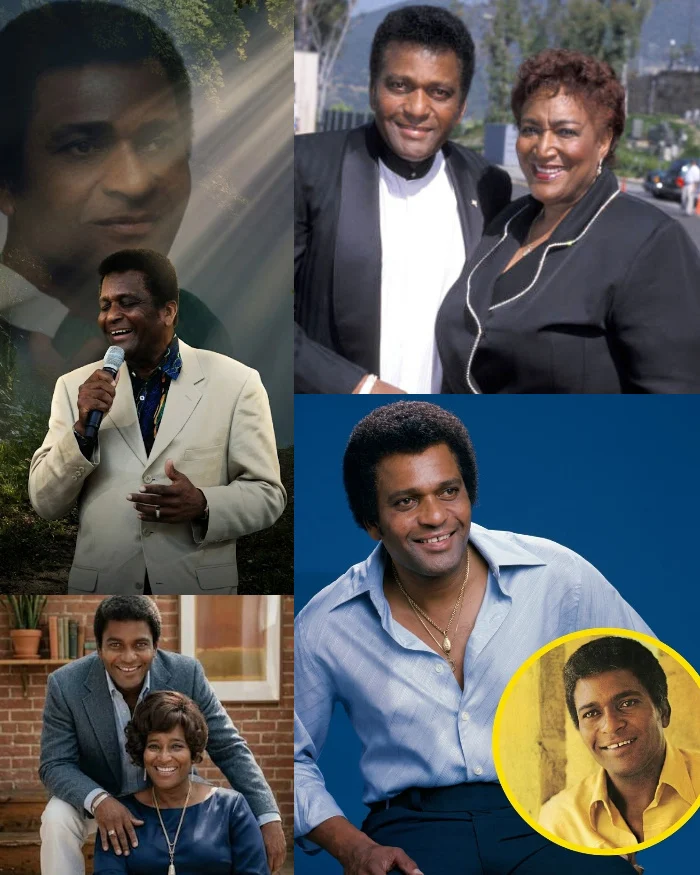
When Charley Pride stepped onto segregated 1960s stages, he carried a baritone voice that would rewrite country music history—but the strength to withstand the immense pressure came from a woman who married him when he was just a minor league baseball player with a guitar.
History remembers Pride as the pioneer who shattered country music’s biggest racial barrier, securing 29 number-one hits and a permanent place in the Country Music Hall of Fame. Yet behind the unprecedented cultural breakthrough stood a steady foundation built entirely out of the spotlight: his wife, Ebba Rozene Cohran, who anchored his life and legacy for 64 remarkable years.
Their story began long before Nashville knew his name. In 1956, when they exchanged vows, Charley was not a recording star—he was a minor league baseball player in Memphis, Tennessee, still dreaming of pitching his way into the majors. They endured lean years together, moving to Montana where he worked at a zinc smelting plant and played local bars at night to earn extra money. Through it all, Rozene managed their modest finances and held their growing family together, believing in his talent before any record label ever offered a contract.
When Charley finally signed with RCA Records in 1966, he stepped into a predominantly white entertainment industry with no blueprint for a Black country star. The pressure was immense: audiences often didn’t know his race until he physically walked up to the microphone, and the grueling touring schedule could have fractured any family.
To protect their marriage, Rozene made a deliberate choice. She took strict control of the business and financial side of his career, insulating him from industry exploitation. More importantly, she established a fiercely guarded sanctuary in Dallas, Texas. By raising their three children—Kraig, Dion, and Angela—away from the Nashville spotlight and maintaining a disciplined household, she ensured the chaos of the road never breached their front door. They survived racial tensions and industry pressures because they operated as an unbreakable unit: Charley handled the stage, and Rozene guarded the home.
That partnership remained the quiet constant of his entire career, visible right up to his final public appearance. In November 2020, the country music community gathered at the CMA Awards to present Charley with the Willie Nelson Lifetime Achievement Award. He took the stage alongside contemporary artist Jimmie Allen to sing his signature hit, “Kiss an Angel Good Mornin’,” bridging a generational gap he had personally made possible. When he stepped to the podium to reflect on his monumental journey, he didn’t dwell on his hardships. Instead, he looked out into the audience—and there, sitting in the front row exactly where she had been for more than six decades, was Rozene.
Just one month later, in December 2020, complications from COVID-19 unexpectedly ended his life at age 86. The sudden news sparked a massive outpouring of grief, with tributes pouring in from fellow legends and younger artists who had walked through the doors he opened. Yet in his final days, the trailblazing music icon was not focused on his platinum records or historical awards. He was simply a husband, expressing profound gratitude to the woman who had stood beside him when all they had was a minor league baseball contract and a shared dream.
Charley Pride changed the sound and face of American music forever, proving that a country song belongs to anyone who can sing it with truth. But the man who recorded some of the genre’s most enduring romantic standards lived his greatest love story far away from the applause. The cultural barriers he shattered will always remain his public legacy, but the 64-year marriage that gave him the quiet strength to shatter them was the true masterpiece of his life.