
One crumpled fantasy football note became the birthplace of one of the most powerful American anthems of the modern era.
In late 2001, Toby Keith carried a private sorrow while the nation reeled from the September 11 attacks. His father, H.K. Covel, had died in a car crash just six months earlier.
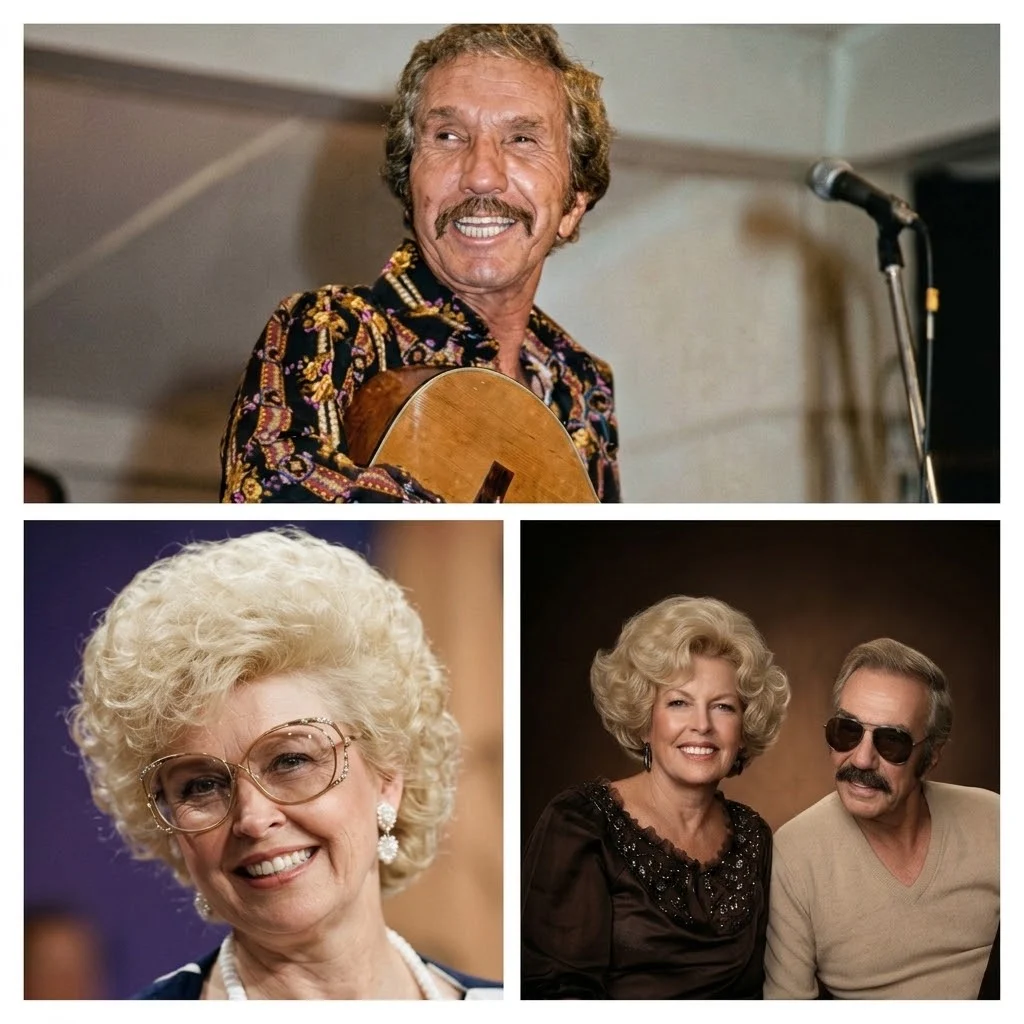
H.K. Covel was an Army veteran who lost his right eye in combat. His life and service gave his son a deep respect for the flag, the military, and the people who wore the uniform.
Keith sat in his living room and watched the endless coverage. Grief, pride, and anger moved through him. He began to wonder what his father would say as the country faced such a wound.
He grabbed a stray piece of paper, the back of a fantasy football note, and wrote quickly. The words came out raw and direct, shaped by a son who missed his father and a country that needed a voice.
At first, Keith did not want the song on the radio. He feared that releasing it so soon after a tragedy could look like profit from pain. That worry kept the track out of public hands.
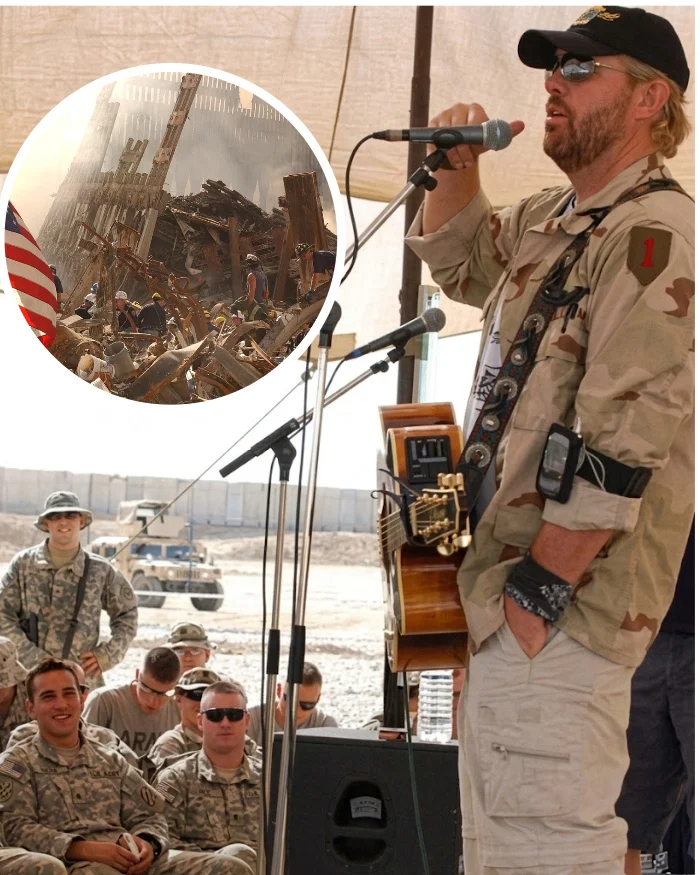
Instead, he shared it where he believed it belonged, with service members. He took the song on military tours and sang it on bases for troops preparing to deploy.
Those performances were intimate. It was Keith, an acoustic guitar, and rooms full of men and women in uniform. The reaction was immediate, and many hardened soldiers were moved to tears.
The song changed in those quiet spaces. It stopped being only a private tribute and became a shared expression of resolve.
The turning point came during a performance in Washington. Marine Corps Commandant General James L. Jones heard the song live and understood its weight for the troops.
After the show, General Jones told Keith that he had a duty to record it for the American public.
He believed the whole country needed to hear that message of strength and resolve.
The studio version, Courtesy of the Red, White and Blue, The Angry American, became the lead single from Keith’s 2002 album Unleashed. It reached number one on the country charts.
The anthem carried themes of military pride, justice, and fierce protection of freedom. It spoke to anger without softening grief.
Justice will be served and the battle will rage, this big dog will fight when you rattle his cage.
Keith’s song began as a quiet act of mourning. It grew into a lasting tribute to service, sacrifice, and the spirit of a nation in pain.