
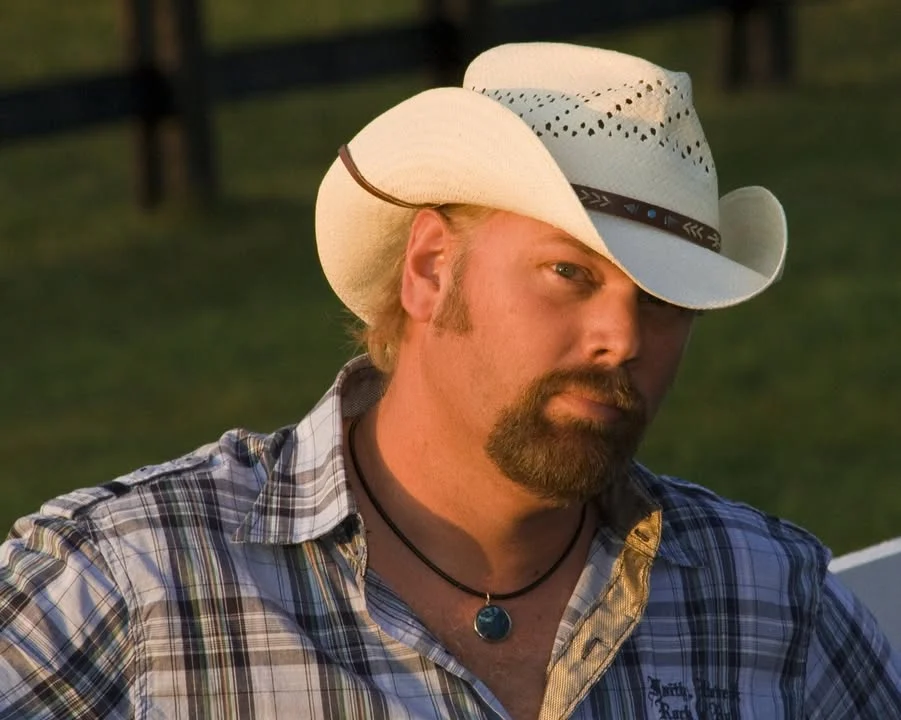
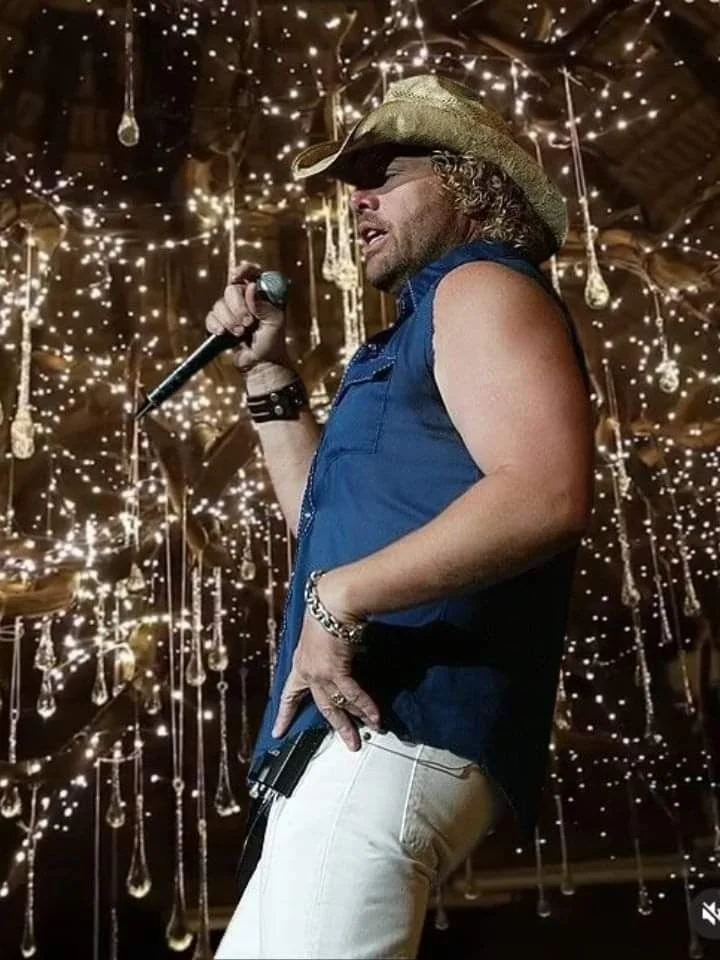
When Toby Keith sings about a mobile home, the walls seem to breathe, the bed feels warm, and a broken heart becomes a porch light left on for someone who might still return.
The 1997 song Double Wide Paradise appeared on Dream Walkin’. It was not his biggest chart smash, yet many fans still carry it close to their chests. Keith painted a blue collar marriage inside a modest trailer, turning a place often mocked into a sanctuary built from love, stubborn hope, and ordinary grace.
His gruff Oklahoma voice softened as he sang about a wife and a shared life. That tenderness mattered. It reminded listeners that dignity does not require a mansion, a white picket fence, or Nashville approval. A double wide can hold paradise when two people choose each other again and again.
Country music has long told stories of hard work, small towns, and worn hands. Keith stood in that line while also pushing against it. He celebrated working class pride without apology, and he gave trailer park romance a beating heart.
I don’t want to cry, I don’t want to walk the floor, this mobile home don’t feel like home no more.
Those lines cut straight to the ache of waiting. They also reveal Keith’s gift for plain speech. He could make a simple plea sound like a prayer spoken across a kitchen table.
Double Wide Paradise endures because it honors ordinary love. It says a home can be small, shabby, or temporary, and still become the place where forgiveness lives. Toby Keith made that truth sound like country, and country made it sound like life.