
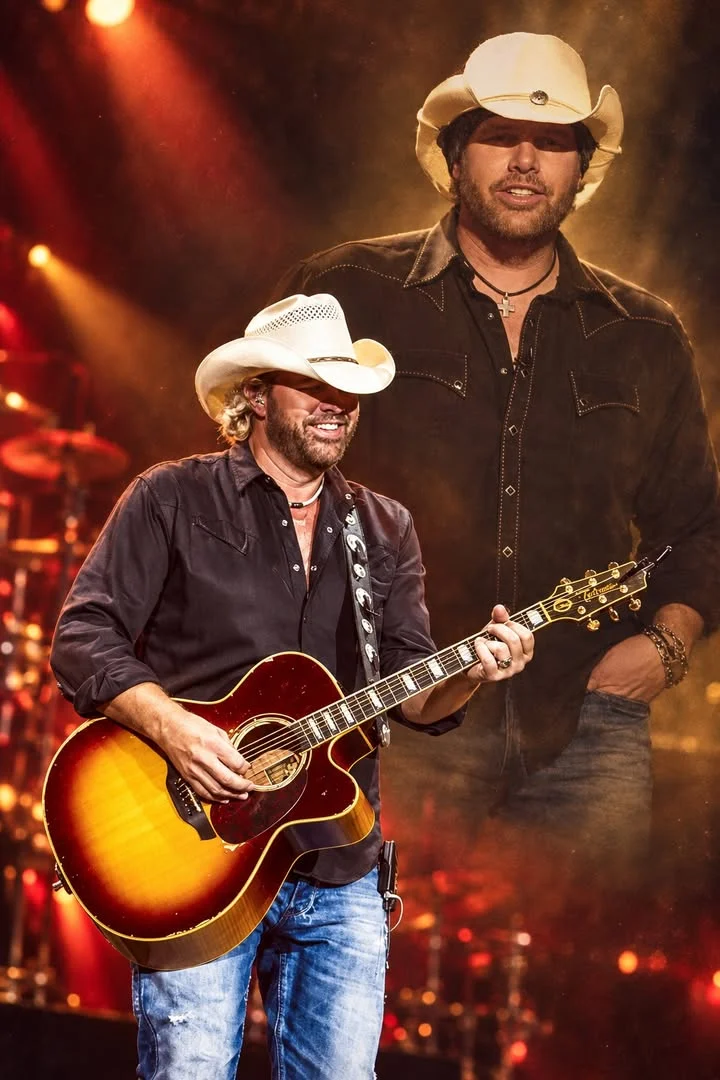

A broken heart can feel like a long night with no end in sight, and Toby Keith’s He Ain’t Worth Missing steps into that darkness like a steady hand on a friend’s shoulder. Released in 1993 as the second single from Keith’s self-titled debut album, the song quickly proved that country music could offer comfort without softening the truth.
The track arrived through Mercury Nashville Records and climbed to number five on the Billboard Hot Country Songs chart. It reached listeners who needed more than a sad ballad, giving them a clear message about leaving behind a love that no longer deserved them.
Keith wrote the song himself and gave the story its raw emotion, optimism, and sense of self-discovery. The song’s narrative unfolds from the perspective of a confidante speaking to a heartbroken woman. Keith’s signature baritone carries the message with warmth and firmness, urging her to see the ex-lover clearly and reclaim her own worth.
He ain’t worth the heartache, he ain’t worth the tears
Lines like that land because they feel lived in. Keith avoids polished clichés and chooses frank, unfiltered language that makes the listener feel seen rather than scolded.
Musically, the song is a mid-tempo country ballad. A driving rhythm section provides the backbone, while a twangy guitar line adds classic country flavor. The arrangement stays deliberately understated so Keith’s voice and the emotional weight of the lyrics can take center stage.
The song became a modern country classic
It transcended its initial chart success and became a staple of country radio and a go-to anthem for karaoke nights. Its empowering message continues to resonate with listeners, especially women who need a musical shoulder to cry on and a voice urging them to move on.
Beyond its entertainment value, the song offers a glimpse into the world of Toby Keith. It established him as a songwriter with a knack for relatable stories and a singer who could deliver them with unwavering conviction. The song laid the foundation for a successful career and solidified his position as a voice for the strong, the heartbroken, and the resilient in country music.