
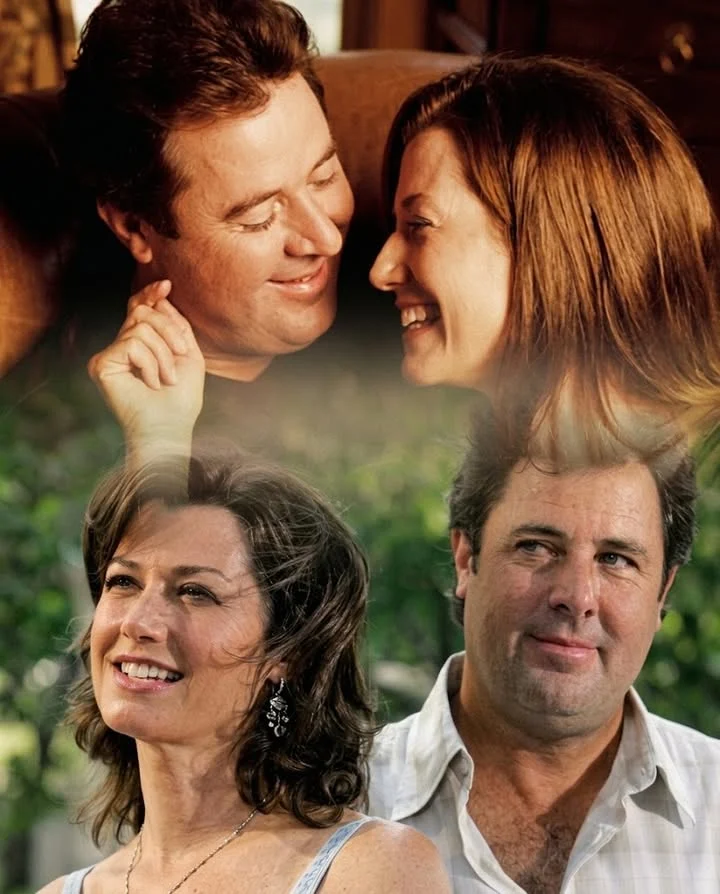
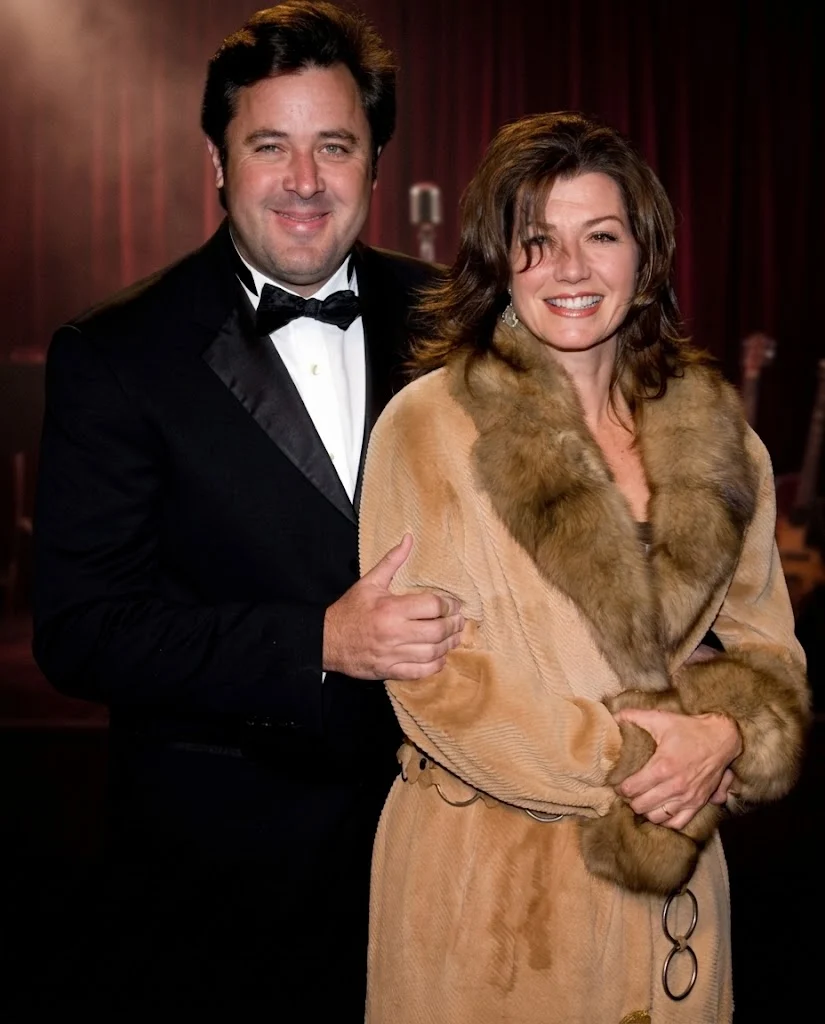
What if I’m not the same? Amy Grant asked from the dark center of her recovery. Vince Gill’s answer didn’t try to fix her—it simply held her there.
For decades, the power couple lived at the relentless tempo of music stardom. But in July 2022, a severe bicycle accident knocked the six-time Grammy winner unconscious for ten minutes, leaving her with a traumatic brain injury. Just two years after open-heart surgery for a rare congenital defect, Grant now faced a new battle: her own mind had become foreign territory.
The cognitive aftermath unraveled more than her balance. Lyrics she had sung for thousands of fans disappeared from memory. The superpower she once called her greatest asset—instant recall—was gone. She processed words three beats slower than everyone else. Conversations felt underwater. The quick wit that defined her couldn’t keep up with the rhythm of a standard chat, and the loss brought waves of depression and frustration.
Then something extraordinary happened—not onstage, but in the stillness of their Nashville home. Vince Gill, the country legend accustomed to touring and recording, made a quiet but definitive choice. He didn’t try to pull her forward to catch up. Instead, he brought his own fast-paced life to a halt.
They stripped away sensory overload: screens off, phones away, the machinery of their careers silenced. Gill became her anchor when she had to grip furniture just to cross a room. He sacrificed his momentum entirely to match her new tempo.
The true depth of their relationship became visible far from the arena lights.
When Grant paused, searching for a lost word, fearing she might never be the same, Gill simply waited. His steady patience turned hesitation from anguish into a safe, unhurried space. He loved the woman sitting in the quiet just as much as the legend holding the microphone.
During those darkest days, she asked him directly: What if I’m different? What if I’m not the same?
His response shifted everything. Every day we wake up a little different, he said. And we love each other, and it’s good. He reminded her that a virtuoso musician could lose their ability overnight, that all anyone truly possesses is the hand they are dealt that day.
That unhurried patience allowed Grant to develop new rituals—like standing barefoot in the grass with coffee, letting stillness find her before the day began. She eventually returned to the studio with a teleprompter and calendar, no longer afraid to ask friends to repeat stories when synapses fail to connect.
Her creative resurgence was only possible because of the environment Gill fostered. In an industry full of motion and noise, he proved that true devotion sometimes means coming to a complete stop.