

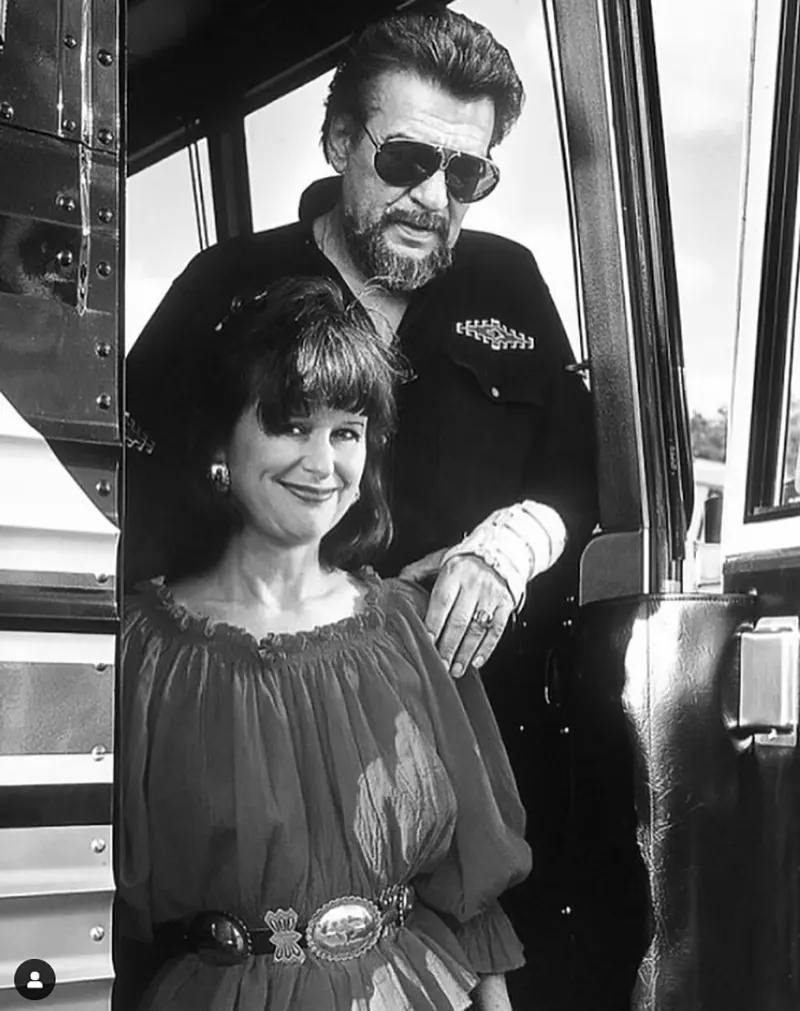
A weary heart can still sing with grace, and Waylon Jennings made that truth unforgettable in Just To Satisfy You. The song feels like a quiet confession from a man who has loved too much and still refuses to let bitterness take the wheel.
It was co written in 1964 with his longtime friend Don Bowman, and the piece grew beside Jennings as his artistry deepened. It first appeared during his early years, then reached its most famous form in 1982 when he joined Willie Nelson for a duet. That version climbed to the top of the Billboard Hot Country Singles chart and reminded listeners that two outlaw voices could turn surrender into strength.
At its center is romantic resignation and emotional sacrifice. The narrator knows he has bent himself into shapes meant to please another person, yet he accepts the imbalance with startling honesty. His willingness is not loud or wounded. It is calm, tired, and strangely noble.
Just to satisfy you, I’d do anything for you
That line captures the soul of the song. It is not a threat or a plea. It is a man naming the cost of devotion while still choosing tenderness.
The music keeps traditional country instrumentation close to the bone while adding outlaw grit. A steady rhythm guitar holds the frame, while pedal steel and bass create a wide and reflective space. In the 1982 duet, Willie Nelson’s phrasing and gentle guitar add another layer of ache. The two voices meet like travelers who have shared the same long road and no longer need to prove anything.
The lyrics deepen the ache. They suggest that the person being satisfied may also be the one left broken.
Someone’s gonna get hurt before you’re through
Someone’s gonna pay for the things you do
Then the song turns to the cost of many lovers and many tears.
How many hearts must break, how many will it take to satisfy you, just to satisfy you
What makes Just To Satisfy You timeless is its universal ache. It speaks to the quiet pain of loving generously when love is not fully returned. In Jennings’ hands, the song becomes an ode to resilience, not a simple lament.
For listeners who know his tougher outlaw anthems, this track reveals his rare balance of strength and vulnerability. It helps define Outlaw Country as a movement rooted in raw truth rather than rebellion alone. Decades after its first writing, the song still rewards careful listening and reflection.
It remains emblematic of what made Waylon Jennings singular. He could move from swagger to tenderness within a few finely crafted verses and make both feel honest.