
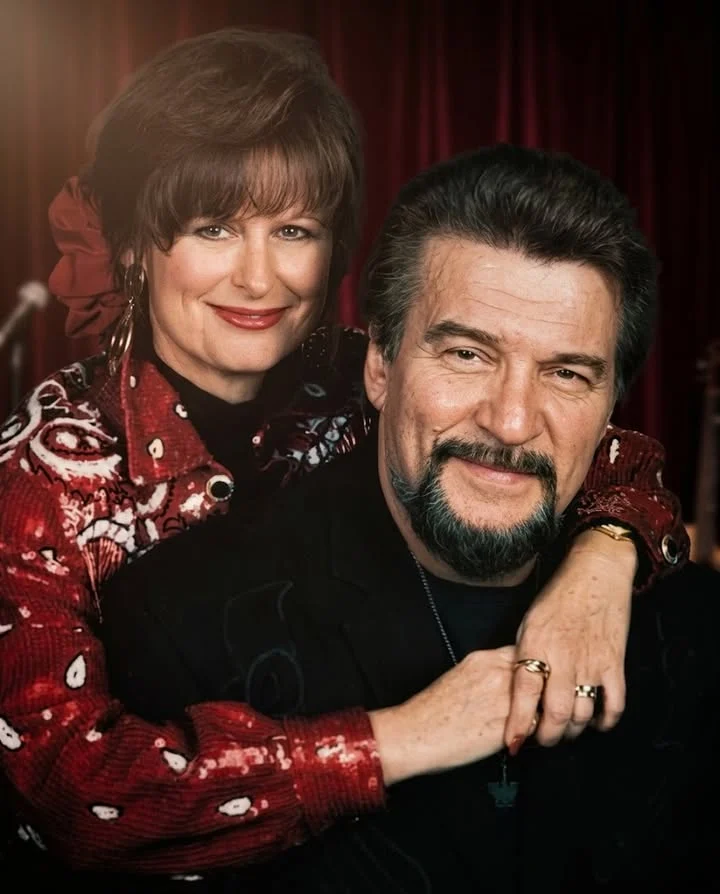
February 2002 brought a quiet end to a roaring chapter of country music. Waylon Jennings died at 64 with Jessi Colter beside him after 33 years of marriage. Their story began long before the outlaw myth became a national sensation and ended in a room where loyalty mattered more than fame.
When Jennings walked into a Phoenix church in the fall of 1969, he had already left three failed marriages behind. Colter, born Mirriam Johnson, was rebuilding her own life after a painful separation. She knew the punishing rhythm of a musician’s road and saw a wounded man beneath the swagger.
Their bond grew into a creative partnership as well as a home. They sang duets that earned Grammy nominations and built a shared musical identity that could not be separated by industry pressure. In 1974 his first number one solo record on the Billboard country chart was not a defiant roar. It was a vulnerable plea called This Time and it revealed how deeply he feared losing her.
The success that followed was historic. The 1976 album Wanted! The Outlaws became the first country record to earn platinum certification and Colter stood on the cover as the only female artist beside Jennings, Willie Nelson, and Tompall Glaser. The stage lights made the movement look glamorous while the private strain kept tightening.
By the late 1970s and early 1980s a heavy daily cocaine habit pushed Jennings toward physical and financial collapse. The outlaw image could not shield him from addiction and the chaos inside the home became severe. Many people might have fled that darkness but Colter chose to stay.
She leaned on her spiritual faith and refused to turn her devotion into passive enablement. The birth of their son Shooter in 1979 sharpened the stakes. Jennings began to see that continuing his self destruction would cost him the family he had finally built.
He took control of his recovery in 1984. Jennings retreated to an Arizona cabin and locked himself inside until the addiction broke without medication. After that he and Colter deliberately traded the endless Nashville party scene for a calmer life centered on raising Shooter.
Years later his body demanded payment for the hard road he had lived. Severe diabetes complications led to the amputation of his left foot and forced him into a wheelchair. Colter moved from stage partner to primary caregiver and remained a steady presence through his declining strength.
Their marriage outlasted the pressures that often break country music legends. The outlaw movement changed American music forever but the quieter triumph was the way two people protected a home and each other until the final breath.
He died with Jessi Colter beside him and their story proved that love can hold a broken man when the stage lights fade.