
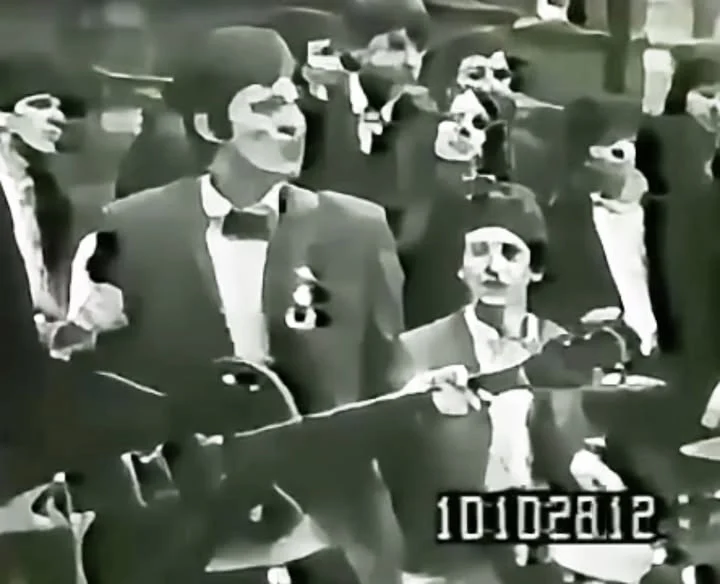
The very air in August 1965 felt charged, as if the world was holding its breath before a scream. That scream arrived not as a psychedelic whisper but as a four‑piece suit, an urgent bassline, and the raw, untamed howl of a teenage voice. The source was the Small Faces, and the weapon was their debut single, “What’Cha Gonna Do About It”. It is a song that clocks in at barely two minutes, a compact bomb of attitude and R&B fury that still sounds like a punch to the chest.
To hear it today is to be transported to a sweat‑slicked club in London’s East End, where the scent of Brut aftershave mingles with cigarette smoke and the sheer volume of a band discovering its voice. This was not the genteel pop of earlier British acts; it was a generation demanding attention, a sound that holds up even on the most demanding premium audio systems. The track does not build slowly. It explodes.
The opening blast of feedback from Steve Marriott’s guitar is a moment of intentional chaos, a squall that tells the listener this will be anything but tidy. Underneath, Ronnie Lane’s bassline drives forward with a relentless, kinetic pulse, while Kenney Jones attacks his drum kit with lean ferocity. There is no fat on this arrangement—it is pure muscle. Jimmy Winston’s Hammond organ adds a thick, percussive texture, less a solo showcase than a rhythmic engine that reinforces the R&B foundation. The result is a masterclass in compact attack, a song that prefigures punk yet retains a soulful depth that punk often discarded.
“This is the sound of ambition running on pure adrenaline and youthful, untamed talent.”
Born from the Mod scene, the Small Faces were a quartet of short, sharp kids from London who believed they were the toughest band in town. “What’Cha Gonna Do About It”, released on Decca Records in August 1965, announced their arrival just as they moved beyond cover songs into their own songwriting stride. Produced by Ian Samwell, known for his work with the Shadows, the recording captured the band’s frantic live energy and translated it into vinyl that retained its punch. The core instrumental motif—a descending two‑note figure—was borrowed from Solomon Burke’s “Everybody Needs Somebody to Love,” but the Small Faces twisted it, amplified it, and injected it with a purely British urgency. It is the sound of American soul filtered through a London, working‑class lens of style and youthful hunger.
Marriott’s vocal performance is the true star. His voice, already a powerhouse despite his youth, cracks and strains with conviction. He does not just sing the lyrics; he yells them, pushing the microphone to the edge of distortion. “I want you to know that I love you, baby” becomes a declaration of war, a teenage existential crisis compressed into a high‑octane shout. The production is unfussy, favoring clarity of impact over studio sheen. The drum sound is tight, the bass is forward, and the feedback—initially an accident, according to lore—was kept in, a testament to the band’s embrace of sonic grit.
The song would later anchor the band’s self‑titled 1966 debut album, but initially it was a standalone statement. It hit the UK singles chart, peaking in the Top 20, a respectable launch that validated their swagger. Its importance stretches far beyond that chart position. It is a foundational piece of R&B‑infused garage rock that remains structurally perfect, a two‑minute sprint that offers a micro‑story of ambition and authenticity.
Today, when I pull up this track on my system, I am struck by how current its economy feels. It cuts through algorithmic noise like a wake‑up call, a reminder that brilliance does not require four movements or an eighteen‑piece orchestra. It just requires the right riff and the willingness to push the faders past the red. For anyone taking guitar lessons today, Marriott’s use of simple power chords and startling feedback is a lesson in how to create a compelling, immediate hook. For the modern listener scrolling through a music streaming subscription, it offers a jolt of adrenaline that transcends its era.
The track’s enduring appeal lies in its authenticity—the feeling that this is a song played by four short kids who genuinely believed they were the sharpest band in town, and played like their rent was due in 120 seconds. It captures the nervous, exhilarating tension of youth, the quick shifts from tenderness to anger, all within that compressed timeframe. For those craving similar energy, tracks like The Who’s “My Generation,” The Kinks’ “You Really Got Me,” or The Action’s “Land of a Thousand Dances” offer kindred spirits. But none match the sheer audacity of that opening feedback. Put it on, turn it up, and let those two minutes remind you what passion sounds like.