
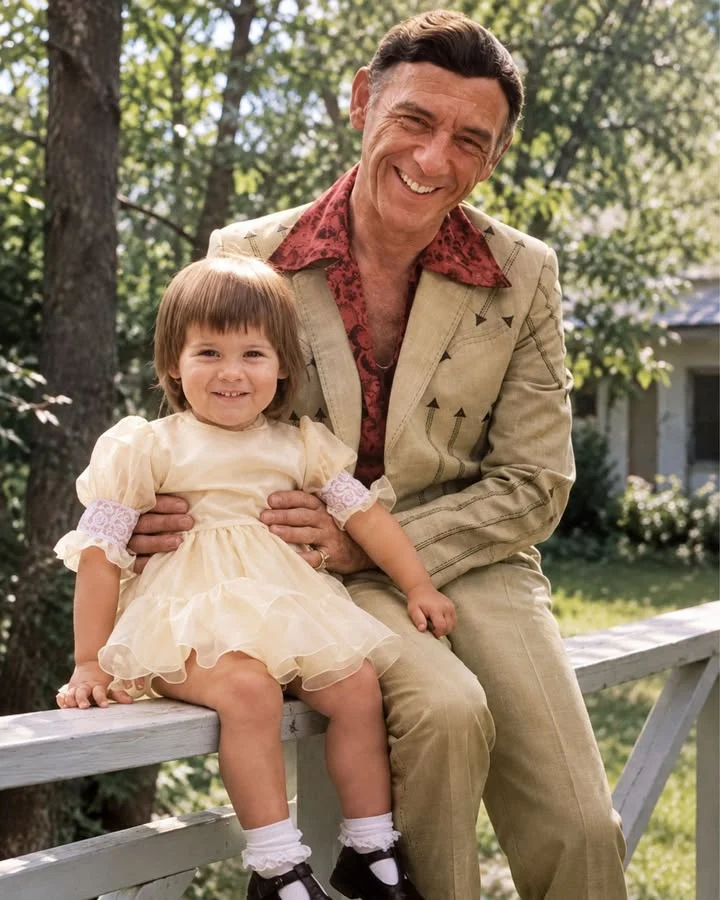
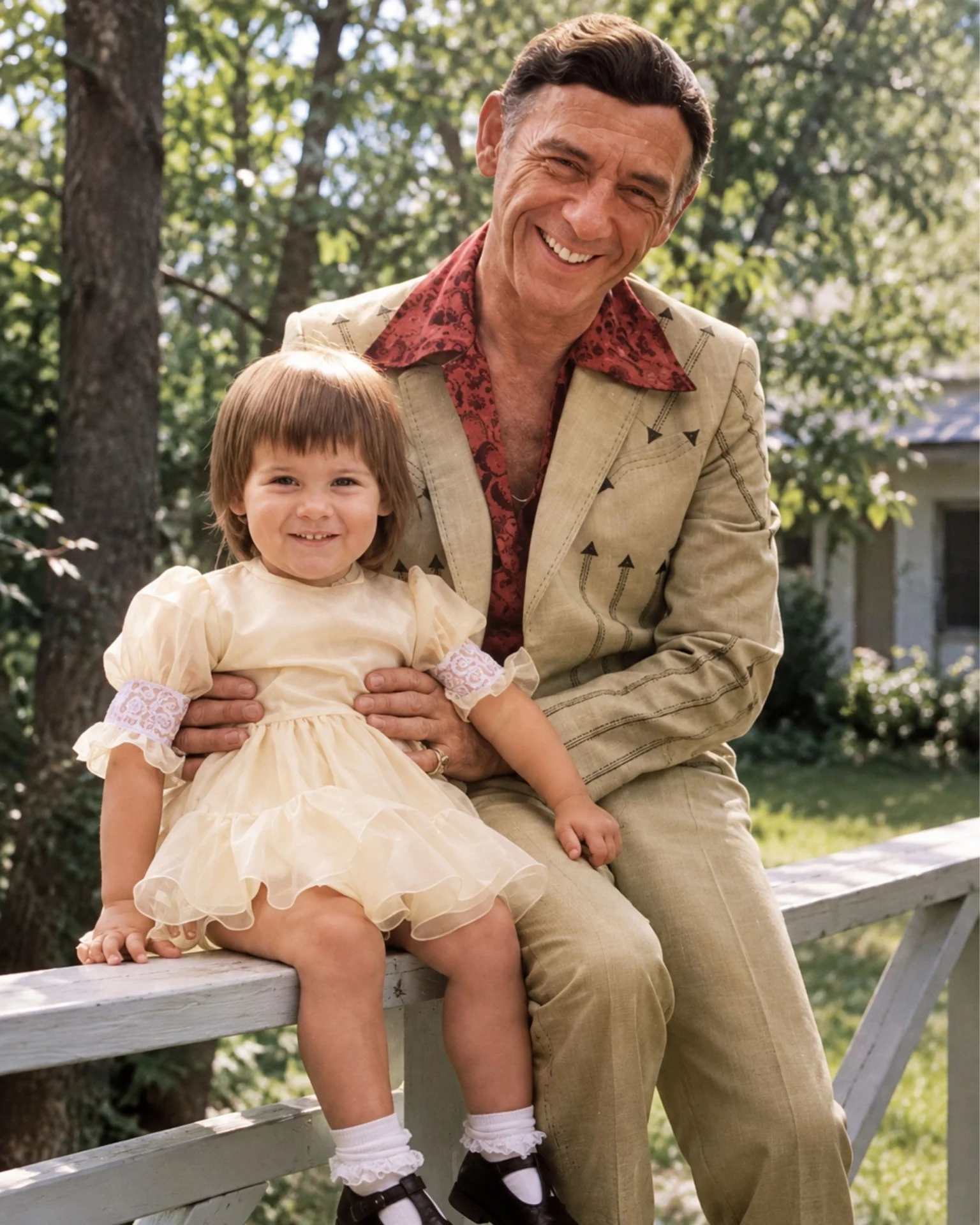
Hank Snow had scars that no stage suit could hide. Long before he became the Singing Ranger, before he recorded hundreds of songs for RCA and stood for decades on the Grand Ole Opry stage, he was a boy running from a home that hurt him.
Decades later, Snow publicly spoke about the abuse he had endured. He founded the Hank Snow International Foundation for the Prevention of Child Abuse and Neglect, turning his personal pain into a mission to protect others.
The Country Music Hall of Fame described his decision to work aboard fishing vessels in the North Atlantic as an escape from that abuse
When Snow was eight years old, his parents separated. The family scattered. When he returned to live with his mother, he found a violent stepfather. Beatings left scars that never faded. The sea offered a brutal but necessary way out.
Life aboard North Atlantic fishing vessels was harsh. Snow worked alongside grown men while still a boy. He entertained the crew with songs and harmonica playing, finding a small refuge in music even in that rough environment.
Back on land, his mother let him listen to records. Vernon Dalhart and especially Jimmie Rodgers became early models. Rodgers’ songs about trains, wandering, and hard lives resonated with Snow’s own experiences. For Snow, a train song was not just romance. It was the sound of possibility, the promise that a person did not have to remain trapped forever.
Snow built his career around movement. Hobo songs, railroad songs, lonely roads, and departures filled his catalog. His biggest hit, ‘I’m Moving On’, gave professional identity to the survival instinct that had once saved him. The song did not invent him. It revealed him.
He became one of the Grand Ole Opry’s longest-serving stars. Audiences knew him as a polished, elegantly dressed performer. But underneath the image was the truth that had been there from the beginning. Before leaving became Hank Snow’s signature, it had been his way out. And once he found a voice, he spent the rest of his life turning that escape into songs that millions could understand.